


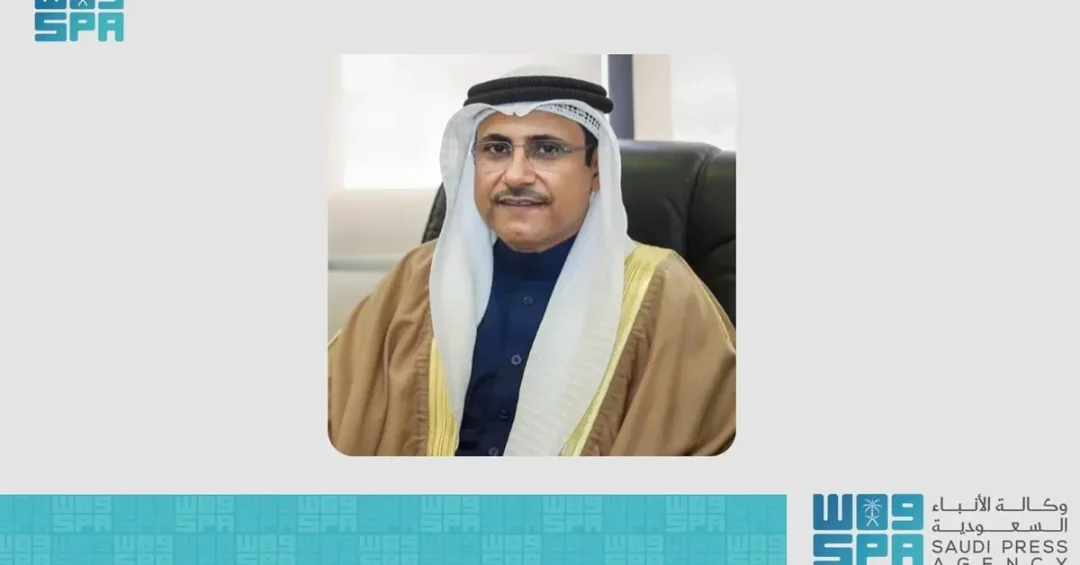
Arab Parliament Speaker Adel bin Abdulrahman Al-Asoomi emphasized the critical role of digital transformation in enhancing parliamentary communication during the closing ceremony of the Arab Parliamentary Diplomacy Center’s training program in Cairo on August 24, 2024, as reported by the Saudi Press Agency (SPA). In his address, Al-Asoomi highlighted that digital advancements are essential for strengthening interaction among parliaments and fostering greater engagement with citizens across the Arab world.
Context and Background
The Arab Parliament, headquartered in Cairo, serves as a consultative body comprising representatives from Arab national parliaments. Its Arab Parliamentary Diplomacy Center conducts training programs to build capacity among parliamentary staff and officials. The recent program focused on equipping media officials with modern digital tools, reflecting a broader regional trend toward digital governance. This initiative aligns with global efforts to leverage technology for more transparent and efficient legislative processes.
Key Details
In a statement released by the Arab Parliament, Speaker Al-Asoomi stressed the importance of developing the skills of media officials in parliaments, particularly through the use of modern digital technologies. He noted the successful implementation of digital parliamentary initiatives across various Arab nations, which have made them models in the region’s shift toward digital governance. These initiatives include electronic voting systems, digital document management, and online public consultation platforms. Al-Asoomi also underscored the role of digital tools in fostering communication between parliaments and citizens, enabling more responsive and inclusive governance.
Implications and Impact
The emphasis on digital transformation in parliamentary communication carries significant implications for the Arab world. By adopting digital tools, parliaments can enhance transparency, streamline legislative processes, and increase citizen participation. This shift is particularly relevant as countries in the region pursue economic diversification and modernization agendas. Improved communication between parliaments and citizens can lead to more informed policymaking and greater public trust in governmental institutions. Furthermore, regional collaboration on digital governance can foster knowledge sharing and capacity building, positioning the Arab world as a leader in innovative parliamentary practices.
Vision 2030 Alignment
Saudi Arabia’s Vision 2030 places a strong emphasis on digital transformation as a key driver of economic and social development. The Kingdom has made substantial investments in e-government services, smart cities, and digital infrastructure. The Arab Parliament’s focus on digital parliamentary communication resonates with Saudi Arabia’s broader goals of enhancing transparency, efficiency, and public engagement. As the Kingdom continues to advance its digital agenda, its leadership in regional forums such as the Arab Parliament reinforces its commitment to a modern, connected, and forward-looking Arab world.
20 Questions
Q1. Who is Adel bin Abdulrahman Al-Asoomi?
A1. Adel bin Abdulrahman Al-Asoomi is the Speaker of the Arab Parliament, an inter-parliamentary body that represents Arab national parliaments. He has been a prominent advocate for digital transformation in parliamentary communication.
Q2. What was the closing ceremony of the Arab Parliamentary Diplomacy Center’s training program?
A2. The closing ceremony marked the conclusion of a training program aimed at enhancing the skills of parliamentary media officials, with a focus on modern digital technologies to improve communication and governance.
Q3. When and where did this event take place?
A3. The ceremony took place in Cairo, Egypt, on August 24, 2024, as reported by the Saudi Press Agency.
Q4. Why is digital transformation important for parliamentary communication?
A4. Digital transformation enhances communication by enabling faster, more transparent, and inclusive interactions among parliaments and between parliaments and citizens, thereby improving governance and public engagement.
Q5. What role do digital tools play in fostering communication between parliaments and citizens?
A5. Digital tools such as social media, online portals, and mobile applications facilitate real-time information sharing, feedback collection, and public participation in legislative processes.
Q6. How can digital parliamentary initiatives benefit Arab nations?
A6. They can streamline legislative procedures, reduce costs, increase transparency, and make parliaments more accessible to citizens, thereby strengthening democratic processes and public trust.
Q7. What examples of successful digital parliamentary initiatives were mentioned?
A7. Specific examples were not detailed in the statement, but Speaker Al-Asoomi noted that various Arab nations have implemented digital initiatives that serve as regional models.
Q8. How does this relate to Saudi Arabia’s Vision 2030?
A8. Vision 2030 emphasizes digital transformation as a key enabler of economic and social development. The Arab Parliament’s focus on digital parliamentary communication aligns with Saudi Arabia’s goals of modernization and efficient governance.
Q9. What is the Arab Parliament?
A9. The Arab Parliament is a consultative body of the League of Arab States, comprising representatives from Arab national parliaments. It promotes cooperation and dialogue among Arab countries.
Q10. What is the Arab Parliamentary Diplomacy Center?
A10. The Arab Parliamentary Diplomacy Center is an institution under the Arab Parliament that provides training and capacity-building programs for parliamentary officials to enhance diplomacy and communication skills.
Q11. How can media officials in parliaments benefit from digital training?
A11. Digital training equips media officials with skills to effectively use modern technologies for disseminating information, engaging with the public, and managing parliamentary communications.
Q12. What are the broader implications of digital governance in the Arab world?
A12. Digital governance can lead to more transparent, efficient, and responsive governments, fostering economic growth and public satisfaction across the region.
Q13. How does digital transformation support parliamentary diplomacy?
A13. Digital transformation facilitates communication and information exchange among parliaments, enhancing diplomatic efforts and collaborative decision-making on regional issues.
Q14. What challenges might Arab parliaments face in adopting digital technologies?
A14. Challenges include infrastructure gaps, cybersecurity concerns, and the need for training. However, regional cooperation and investment can help overcome these hurdles.
Q15. What is the significance of the Saudi Press Agency reporting this event?
A15. The Saudi Press Agency’s coverage highlights Saudi Arabia’s interest in regional parliamentary developments and its support for digital transformation initiatives aligned with Vision 2030.
Q16. How can digital tools enhance citizen engagement in legislative processes?
A16. Digital tools enable citizens to access legislative documents, provide feedback, and participate in consultations, making governance more inclusive and responsive.
Q17. What other Arab countries have advanced digital parliamentary systems?
A17. Several Arab countries, including the UAE and Egypt, have made strides in digital parliamentary systems, but specifics were not mentioned in the statement.
Q18. How does this event reflect regional cooperation?
A18. The training program and Speaker Al-Asoomi’s remarks demonstrate a collective effort among Arab nations to share best practices and advance digital governance collaboratively.
Q19. What future steps might the Arab Parliament take regarding digital transformation?
A19. The Arab Parliament is likely to continue promoting digital initiatives, training programs, and knowledge sharing to further integrate technology into parliamentary operations across the region.
Q20. Why is this development relevant to international audiences?
A20. It showcases the Arab world’s commitment to modernization and good governance, which can inspire similar efforts globally and foster international cooperation on digital governance.
Reader Feedback
We value your thoughts. Please share your feedback on this article.
Your feedback helps us improve our coverage.