


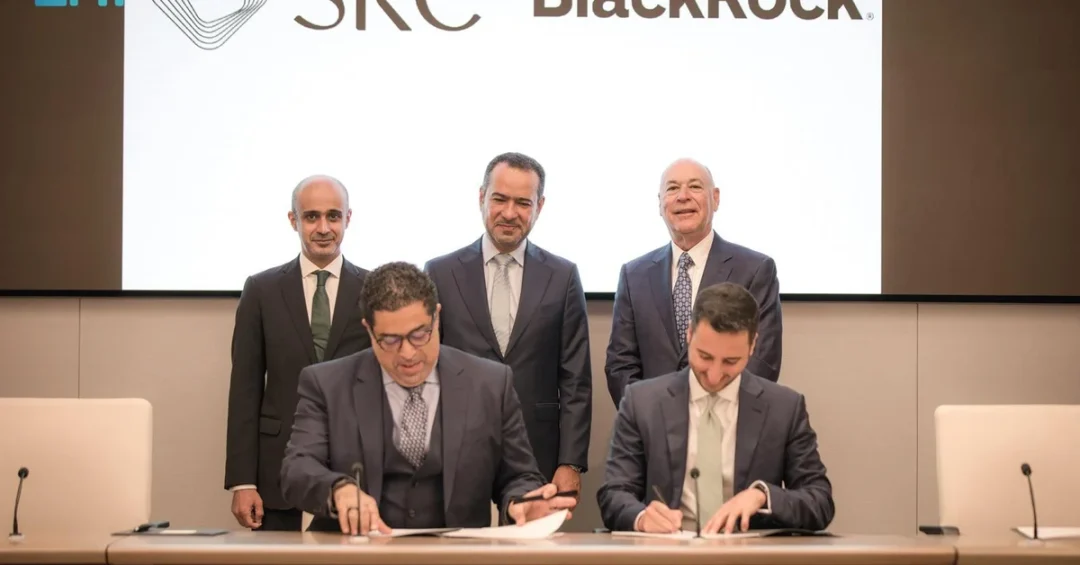
The Saudi Real Estate Refinance Company (SRC), a subsidiary of the Public Investment Fund (PIF), signed a memorandum of understanding (MoU) with US-based BlackRock in New York City on August 24, 2024, to develop programs in Saudi Arabia’s real estate finance market and increase the sector’s participation in capital markets. The agreement was signed on the sidelines of the official visit of Majid bin Abdullah Al-Hogail, Saudi Minister of Municipalities and Housing and Chairman of SRC’s Board of Directors, who led a delegation to the United States to strengthen Saudi-American partnerships in urban development, construction, building, finance, and real estate development.
Context and Background
The MoU reflects Saudi Arabia’s ongoing efforts to deepen its capital markets and diversify funding sources for the real estate sector. The SRC, established under the Public Investment Fund, plays a pivotal role in providing liquidity to mortgage lenders and promoting homeownership across the Kingdom. By partnering with BlackRock, one of the world’s largest asset managers, the SRC aims to accelerate the development of real estate refinancing programs and expand access to both local and international capital market channels.
The agreement was signed by Majid Fahd Al-Abduljabbar, CEO of SRC, and Yazeed Al-Mubarak, General Manager of BlackRock in the Middle East and CEO of BlackRock Saudi Arabia. Robert Capito, President of BlackRock, attended the signing ceremony, underscoring the significance of the collaboration. This MoU aligns with the Kingdom’s broader strategy to enhance the housing sector and achieve the objectives of Vision 2030, which seeks to increase homeownership rates and foster economic diversification.
Key Details
The MoU focuses on accelerating the development of programs in the real estate refinancing market in Saudi Arabia and expanding through local and international capital market channels. It also seeks to diversify funding sources through fixed income markets, which is expected to increase the stability of the real estate finance market. This stability is crucial for sustaining the growth of the housing sector and supporting the financial sector development program, a key enabler of Vision 2030.
Minister Al-Hogail’s visit to the United States includes discussions with various stakeholders to boost Saudi-American partnerships in urban development, construction, and real estate finance. The collaboration with BlackRock is a testament to the growing interest of international investors in Saudi Arabia’s real estate market, which has been witnessing robust growth driven by government initiatives and regulatory reforms.
Implications and Impact
The partnership between SRC and BlackRock is expected to have far-reaching implications for Saudi Arabia’s real estate finance market. By tapping into international capital markets, the SRC can access a broader investor base, reduce dependency on domestic funding, and introduce innovative financial products. This, in turn, can lead to more competitive mortgage rates and improved access to housing finance for Saudi citizens.
Furthermore, the involvement of a global asset manager like BlackRock signals confidence in the Saudi economy and its regulatory environment. It also aligns with the Kingdom’s efforts to attract foreign direct investment and enhance the depth and sophistication of its financial markets. The MoU is likely to encourage other international financial institutions to explore opportunities in Saudi Arabia’s real estate sector, fostering greater integration with global markets.
Vision 2030 Alignment
This MoU directly supports Saudi Arabia’s Vision 2030, which aims to increase homeownership to 70% by 2030 and develop a diversified, sustainable economy. The housing and financial sector development programs are integral to achieving these goals, and the partnership with BlackRock will help accelerate progress by providing additional liquidity and funding avenues. As the Kingdom continues to transform its real estate finance landscape, collaborations like this underscore its commitment to creating a vibrant and resilient housing market that meets the aspirations of its people and contributes to long-term economic prosperity.
20 Questions
Q1. What is the Saudi Real Estate Refinance Company (SRC)?
A1. SRC is a subsidiary of the Public Investment Fund that provides liquidity to mortgage lenders and promotes homeownership in Saudi Arabia. It plays a key role in developing the real estate finance market and supporting Vision 2030 goals.
Q2. Who signed the MoU on behalf of SRC?
A2. The MoU was signed by Majid Fahd Al-Abduljabbar, CEO of SRC. He represented the company in the agreement with BlackRock to develop programs in the real estate finance market.
Q3. Who represented BlackRock at the signing ceremony?
A3. Yazeed Al-Mubarak, General Manager of BlackRock in the Middle East and CEO of BlackRock Saudi Arabia, signed for BlackRock. Robert Capito, President of BlackRock, also attended the ceremony.
Q4. What is the main objective of the MoU?
A4. The MoU aims to accelerate the development of real estate refinancing programs in Saudi Arabia and expand through local and international capital market channels. It also seeks to diversify funding sources via fixed income markets.
Q5. Why is this MoU important for the Saudi real estate market?
A5. It enhances liquidity, stability, and access to international capital, which can lead to more competitive mortgage rates and improved housing finance. This supports the growth of the housing sector and Vision 2030 objectives.
Q6. What role does the Public Investment Fund play in SRC?
A6. The Public Investment Fund is the parent entity of SRC, providing strategic direction and support. Its involvement underscores the government’s commitment to developing the real estate finance sector as part of economic diversification.
Q7. How does this MoU align with Vision 2030?
A7. It supports Vision 2030 by enhancing the housing and financial sectors, which are key enablers. The collaboration aims to increase homeownership rates and foster a diversified, sustainable economy.
Q8. What did Minister Al-Hogail discuss during his US visit?
A8. Minister Al-Hogail discussed ways to boost Saudi-American partnerships in urban development, construction, building, finance, and real estate development sectors. The visit aimed to strengthen bilateral cooperation.
Q9. What are fixed income markets, and why are they mentioned?
A9. Fixed income markets involve debt securities like bonds. They are mentioned because the MoU seeks to diversify funding sources through these markets, which can increase stability in the real estate finance market.
Q10. How will this MoU benefit Saudi citizens?
A10. It can lead to more accessible housing finance, potentially lower mortgage rates, and increased homeownership opportunities. This improves quality of life and supports the goal of 70% homeownership by 2030.
Q11. What is the significance of BlackRock’s involvement?
A11. BlackRock is a global asset manager, and its partnership signals international confidence in Saudi Arabia’s economy. It brings expertise and access to global capital markets, enhancing the SRC’s ability to develop innovative financial products.
Q12. When and where was the MoU signed?
A12. The MoU was signed on August 24, 2024, in New York City, on the sidelines of Minister Al-Hogail’s official visit to the United States. The signing ceremony was attended by key officials from both parties.
Q13. What are the housing and financial sector development programs?
A13. These are initiatives under Vision 2030 aimed at improving housing availability and strengthening the financial sector. They serve as enablers for economic growth and diversification.
Q14. How does this MoU affect the stability of the real estate finance market?
A14. By diversifying funding sources through fixed income markets, the MoU helps reduce reliance on a single funding channel, thereby increasing overall stability and resilience of the real estate finance market.
Q15. What other sectors are included in the Saudi-American partnership discussions?
A15. Discussions include urban development, construction, building, finance, and real estate development. These sectors are vital for infrastructure growth and economic diversification.
Q16. Will this MoU lead to job creation in Saudi Arabia?
A16. While not explicitly stated, developing the real estate finance market can stimulate economic activity, which may create jobs in construction, finance, and related sectors, supporting Vision 2030’s employment goals.
Q17. How does SRC contribute to the real estate market?
A17. SRC provides refinancing to mortgage lenders, which increases liquidity and enables them to offer more home loans. This supports the growth of homeownership and the development of the mortgage market.
Q18. What is the expected impact on foreign investment?
A18. The MoU is likely to attract more foreign investment by showcasing Saudi Arabia’s commitment to opening its markets and partnering with global firms. It signals a stable and attractive investment environment.
Q19. What are the next steps after signing the MoU?
A19. The parties will work on developing specific programs and initiatives under the MoU. Implementation will involve collaboration to access capital markets and introduce new financial products in line with regulatory frameworks.
Q20. How does this collaboration reflect Saudi Arabia’s global engagement?
A20. It demonstrates Saudi Arabia’s active engagement with international financial institutions to advance its economic goals. Such partnerships enhance the Kingdom’s global standing and support the realization of Vision 2030.
Reader Feedback
We value your thoughts. Please share your feedback on this article.
Your feedback helps us improve our coverage.