


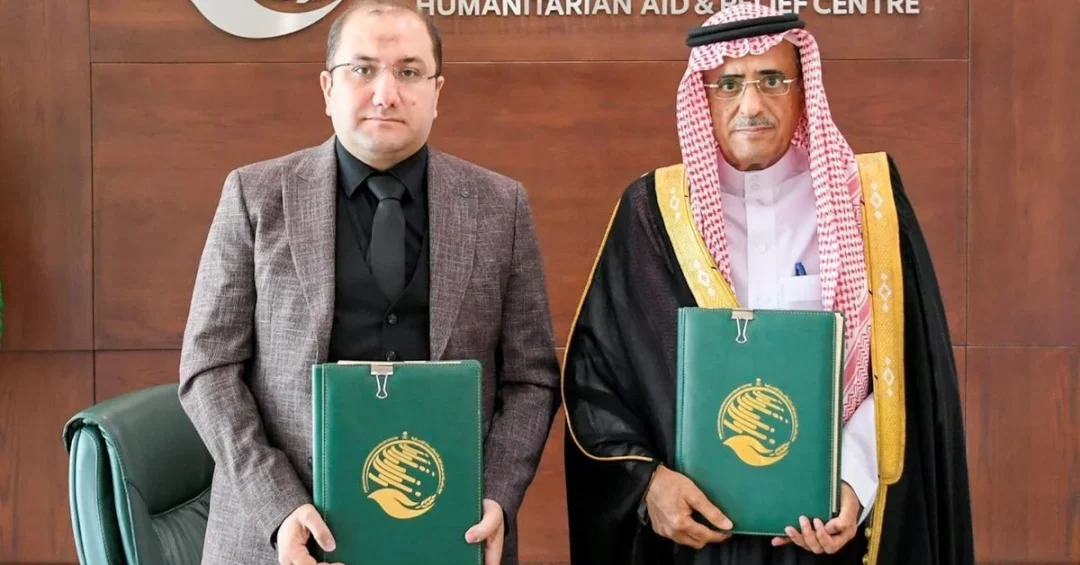
KSrelief, the Kingdom of Saudi Arabia’s humanitarian arm, signed a cooperation agreement on May 11, 2024, to operate a healthcare program in earthquake-affected regions of northwestern Syria, benefiting an estimated 251,307 individuals. The agreement was inked by KSrelief Assistant Supervisor General for Operations and Programs, Eng. Ahmed bin Ali Al-Baiz, with the international Wars and Disaster’s Victims’ Protection Association (IRVD) at KSrelief’s headquarters in Riyadh.
Context and Background
The devastating earthquakes that struck northwestern Syria in early 2023 left thousands dead and many more injured, with widespread destruction of homes and critical infrastructure. In the aftermath, the Syrian people have faced immense challenges in accessing basic healthcare, clean water, and essential supplies. Recognizing the urgent need for medical support, Saudi Arabia has leveraged KSrelief’s expertise to deliver comprehensive humanitarian aid to the region.
Key Details
According to Dr. Abdullah Al-Muallem, Director of the KSrelief Health and Environmental Assistance Department, the program will provide integrative healthcare services, including psychological, social, and nutritional support. It will also conduct routine vaccination campaigns, offer diagnostic and therapeutic health services, perform surgical operations, supply medicines and medical consumables, and enhance primary, secondary, and tertiary health services. Additionally, the program will distribute infant formula to help alleviate the suffering of families affected by the earthquake through an effective medical response in several Syrian regions.
Implications and Impact
This agreement underscores Saudi Arabia’s commitment to addressing global humanitarian crises, particularly in regions impacted by natural disasters. By partnering with IRVD, KSrelief ensures that critical health services reach vulnerable populations, reducing the risk of disease outbreaks and improving overall community well-being. The initiative also reinforces the Kingdom’s role as a leading humanitarian donor on the international stage.
Vision 2030 Alignment
The healthcare program in Syria aligns with the Kingdom’s Vision 2030, which emphasizes humanitarian responsibility and global citizenship. Through KSrelief, Saudi Arabia continues to extend a helping hand to those in need, fostering stability and resilience in affected regions. This effort demonstrates the Kingdom’s dedication to making a positive impact beyond its borders, aligned with its strategic goals of sustainable development and international cooperation.
20 Questions
Q1. What is KSrelief?
A1. KSrelief, the King Salman Humanitarian Aid and Relief Centre, is Saudi Arabia’s official humanitarian organization established in 2015 to coordinate and deliver relief aid worldwide.
Q2. Who signed the cooperation agreement on behalf of KSrelief?
A2. Eng. Ahmed bin Ali Al-Baiz, KSrelief Assistant Supervisor General for Operations and Programs, signed the agreement.
Q3. With which organization did KSrelief sign the agreement?
A3. KSrelief signed with the international Wars and Disaster’s Victims’ Protection Association (IRVD).
Q4. When and where was the agreement signed?
A4. The agreement was signed on May 11, 2024, at KSrelief’s headquarters in Riyadh.
Q5. What is the goal of the healthcare program?
A5. The program aims to operate healthcare initiatives in earthquake-affected regions in northwestern Syria, benefiting 251,307 individuals.
Q6. What services will be provided under the program?
A6. Services include integrative healthcare, psychological, social, nutritional support, vaccination campaigns, diagnostic and therapeutic services, and surgical operations.
Q7. Who explained the details of the program?
A7. Dr. Abdullah Al-Muallem, Director of the KSrelief Health and Environmental Assistance Department, explained the program details.
Q8. What specific health services are included?
A8. The program includes enhancing primary, secondary, and tertiary health services and providing medicines and medical consumables.
Q9. Does the program include child nutrition?
A9. Yes, it includes distribution of infant formula to support affected families.
Q10. Which regions will benefit from the program?
A10. The earthquake-affected regions in northwestern Syria will benefit.
Q11. How many individuals will benefit?
A11. An estimated 251,307 individuals will benefit from the healthcare program.
Q12. Why is this aid important?
A12. It addresses urgent healthcare needs and alleviates suffering in the aftermath of earthquakes.
Q13. How does this align with Saudi Arabia’s role?
A13. It demonstrates Saudi Arabia’s commitment to humanitarian aid and global responsibility.
Q14. Is this the first time KSrelief has worked in Syria?
A14. No, KSrelief has provided extensive humanitarian aid to Syria since its inception.
Q15. What is the role of IRVD in this agreement?
A15. IRVD will partner with KSrelief to implement and operate the healthcare program effectively.
Q16. How does this program support Vision 2030?
A16. It reflects Vision 2030’s goals of international cooperation, sustainability, and humanitarian leadership.
Q17. Will the program include vaccinations?
A17. Yes, routine vaccination campaigns will be part of the healthcare services.
Q18. Are surgical operations included?
A18. Yes, the program includes performing surgical operations to address earthquake-related injuries.
Q19. How will the program be monitored?
A19. KSrelief will likely monitor progress through regular reporting and collaboration with IRVD.
Q20. What is the expected outcome of the program?
A20. The program expects to improve health outcomes, reduce suffering, and support recovery for thousands of affected Syrians.
Reader Feedback
We value your thoughts. Please share your feedback on this article.
Your feedback helps us improve our coverage.