


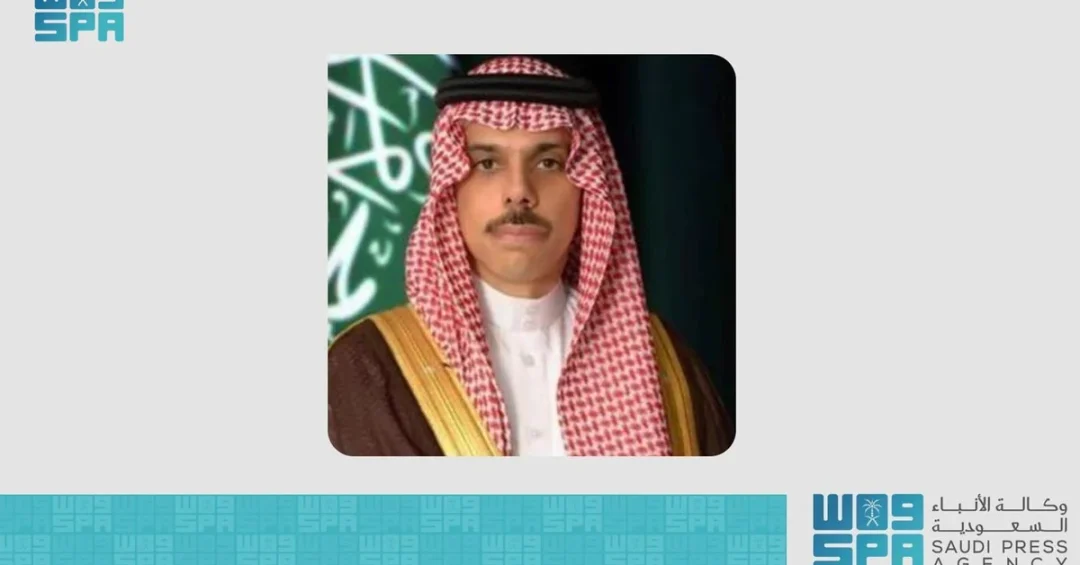
Saudi Minister of Foreign Affairs Prince Faisal bin Farhan bin Abdullah held a telephone call on August 25, 2024, with Iranian Minister of Foreign Affairs Seyed Abbas Araghchi to congratulate him on his new appointment and discuss bilateral relations. The two top diplomats underscored the importance of continued coordination and dialogue to strengthen ties across various sectors and exchanged views on the evolving situation in the Gaza Strip, according to the Saudi Press Agency (SPA).
Context and Background
The call comes amid a period of renewed diplomatic engagement between the Kingdom of Saudi Arabia and the Islamic Republic of Iran, following the historic agreement brokered by China in March 2023 to restore diplomatic relations after a seven-year rift. Since then, both nations have taken steps to reopen embassies, exchange ambassadors, and explore avenues for cooperation in areas of mutual interest. This latest communication reflects Saudi Arabia’s consistent approach to maintaining open channels of dialogue and supporting regional stability through peaceful means.
Under the leadership of the Custodian of the Two Holy Mosques, King Salman bin Abdulaziz Al Saud, and His Royal Highness Crown Prince and Prime Minister Mohammed bin Salman bin Abdulaziz Al Saud, the Kingdom has pursued a foreign policy rooted in constructive engagement, de-escalation, and the promotion of peace and security in the region and beyond. The telephone call between Prince Faisal bin Farhan and Minister Araghchi is a continuation of these efforts, demonstrating Saudi Arabia’s commitment to diplomacy as a tool for resolving differences and building bridges.
Key Details
During the call, Prince Faisal bin Farhan congratulated Minister Araghchi on his new position as Iran’s top diplomat and wished him success in his duties. The ministers discussed ways to enhance cooperation across various sectors, including economic, cultural, and political domains, and emphasized the importance of sustained coordination and dialogue to advance bilateral ties. They also exchanged views on the situation in the Gaza Strip, reflecting a shared concern for regional stability and humanitarian conditions.
This conversation is part of a broader pattern of high-level exchanges between Saudi and Iranian officials. In recent months, the two countries have held multiple rounds of talks on issues ranging from Hajj pilgrimage arrangements to trade and investment opportunities. These interactions align with Saudi Arabia’s Vision 2030, which seeks to diversify the economy, foster regional partnerships, and position the Kingdom as a global hub for diplomacy and commerce.
Implications and Impact
The continued dialogue between Saudi Arabia and Iran carries significant implications for regional and international stability. By maintaining open lines of communication, both nations can work toward reducing tensions, addressing shared challenges, and promoting economic cooperation. For Saudi Arabia, these engagements are consistent with its broader strategy of fostering a peaceful and prosperous Middle East, where diplomatic solutions are prioritized over conflict.
International observers have welcomed the ongoing rapprochement, viewing it as a positive step toward greater stability in the Gulf region. The exchange of views on Gaza underscores the importance of coordinated efforts to address humanitarian crises and support lasting peace. Saudi Arabia’s proactive diplomacy reflects its role as a responsible global actor and a key player in mediating regional disputes.
Vision 2030 Alignment
This diplomatic engagement aligns closely with Saudi Arabia’s Vision 2030, which emphasizes international cooperation, economic diversification, and the Kingdom’s emergence as a pivotal player on the world stage. By strengthening ties with Iran and other regional partners, Saudi Arabia is advancing its goals of enhancing security, attracting investment, and creating new opportunities for its people. The leadership’s commitment to dialogue and mutual respect continues to drive the Kingdom’s foreign policy, ensuring a stable and prosperous future for the region and beyond.
20 Questions
Q1. Who initiated the telephone call between Saudi Arabia and Iran?
A1. Saudi Minister of Foreign Affairs Prince Faisal bin Farhan bin Abdullah initiated the call to his Iranian counterpart, Seyed Abbas Araghchi, to congratulate him on his new position.
Q2. When did the telephone call take place?
A2. The telephone call took place on August 25, 2024, as reported by the Saudi Press Agency (SPA).
Q3. What was the main purpose of the call?
A3. The main purpose was to congratulate the Iranian minister on his new appointment and to discuss bilateral relations and ways to enhance cooperation across various sectors.
Q4. What did the ministers discuss regarding bilateral relations?
A4. They discussed relations and explored ways to strengthen cooperation across various sectors, emphasizing the importance of continued coordination and dialogue.
Q5. Did the ministers exchange views on any regional issues?
A5. Yes, they exchanged views on the evolving situation in the Gaza Strip, reflecting shared concern for regional stability and humanitarian conditions.
Q6. Who is the Saudi Minister of Foreign Affairs?
A6. Prince Faisal bin Farhan bin Abdullah serves as the Minister of Foreign Affairs of the Kingdom of Saudi Arabia.
Q7. Who is the Iranian Minister of Foreign Affairs?
A7. Seyed Abbas Araghchi is the Minister of Foreign Affairs of the Islamic Republic of Iran.
Q8. Why is this call significant for regional diplomacy?
A8. It reflects the ongoing diplomatic engagement between Saudi Arabia and Iran, contributing to regional stability and dialogue following the 2023 restoration of ties.
Q9. What historic agreement preceded this call?
A9. The call follows the March 2023 agreement brokered by China to restore diplomatic relations between Saudi Arabia and Iran after a seven-year rift.
Q10. How does this call align with Saudi Arabia’s foreign policy?
A10. It aligns with Saudi Arabia’s focus on constructive engagement, de-escalation, and promoting peace and security in the region under its leadership.
Q11. What role does Saudi Vision 2030 play in these diplomatic efforts?
A11. Vision 2030 emphasizes international cooperation and economic diversification, and these diplomatic efforts support the Kingdom’s goals of stability and prosperity.
Q12. Have Saudi Arabia and Iran held similar talks recently?
A12. Yes, there have been multiple rounds of talks on issues including Hajj arrangements, trade, and investment, reflecting sustained engagement.
Q13. How might this dialogue impact economic cooperation?
A13. Enhanced dialogue could lead to increased trade and investment opportunities, benefiting both nations and contributing to regional economic growth.
Q14. What is Saudi Arabia’s stance on the Gaza situation?
A14. Saudi Arabia advocates for peace and humanitarian support, and the exchange of views underscores its commitment to addressing regional crises.
Q15. Did the call address any other topics?
A15. The call primarily focused on bilateral relations and Gaza, with an emphasis on continued coordination and dialogue across various sectors.
Q16. How does this engagement reflect on Saudi leadership?
A16. It demonstrates the leadership’s commitment to diplomacy and regional stability, aligning with the vision of King Salman and Crown Prince Mohammed bin Salman.
Q17. What are the expected outcomes of such diplomatic calls?
A17. They aim to strengthen ties, reduce tensions, and foster cooperation, ultimately contributing to a more stable and prosperous region.
Q18. Is this call part of a broader Saudi diplomatic initiative?
A18. Yes, it is part of Saudi Arabia’s broader strategy to engage constructively with regional and global partners to promote peace and development.
Q19. What message does this send to the international community?
A19. It signals Saudi Arabia’s commitment to dialogue and peaceful resolution of differences, enhancing its role as a responsible global actor.
Q20. How does this align with Saudi Arabia’s Vision 2030 goals?
A20. It supports Vision 2030’s objectives of international cooperation, economic diversification, and positioning the Kingdom as a global hub for diplomacy and commerce.
Reader Feedback
We value your thoughts. Please share your feedback on this article.
Your feedback helps us improve our coverage.