


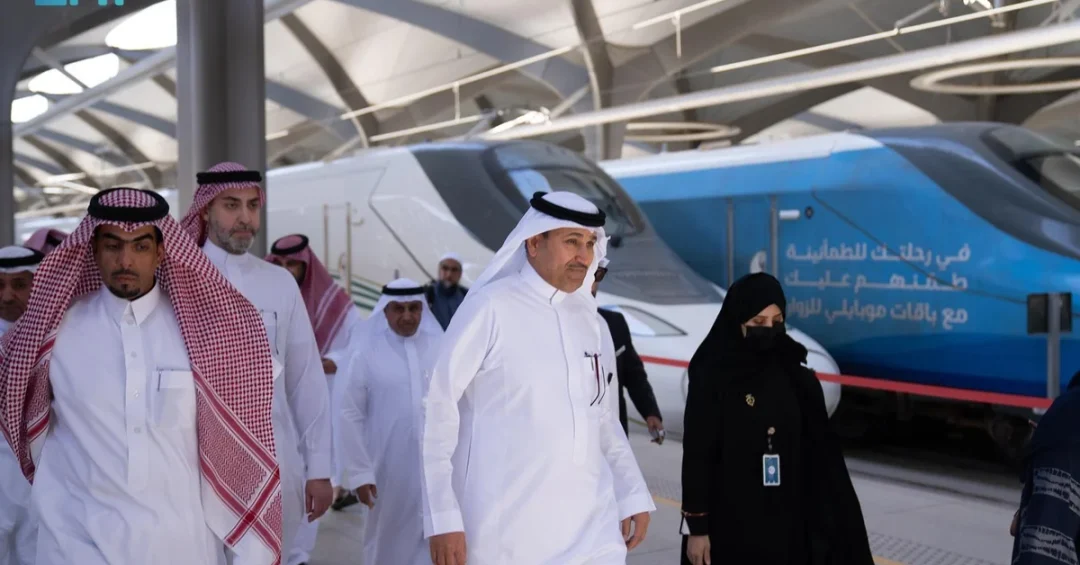
Madinah, May 08, SPA — Minister of Transport and Logistics Eng. Saleh Al-Jasser conducted an inspection tour in Madinah to evaluate the readiness of the transport and logistics sector for the arrival of pilgrims. The tour, part of the Kingdom’s preparations for the Hajj season, covered key facilities including the Haramain High-Speed Rail station, Saudi Post’s air dome, and Prince Mohammad bin Abdulaziz International Airport, underscoring the government’s commitment to ensuring a seamless and safe experience for all visitors.
Context and Background
The annual Hajj pilgrimage is a monumental event, drawing millions of Muslims from around the world to the holy cities of Makkah and Madinah. Recognizing the immense logistical challenges, the Saudi government has consistently invested in state-of-the-art infrastructure to accommodate the influx of pilgrims. This inspection is a proactive measure to guarantee that all systems are fully operational and efficient, reflecting the Kingdom’s dedication to providing the highest standards of service and care for pilgrims.
Key Details
During the tour, the minister examined operations at the Haramain High-Speed Rail station, a modern marvel that connects Makkah and Madinah, significantly reducing travel time and enhancing passenger comfort. He also visited the air dome of Saudi Post (SPL) in Madinah, a state-of-the-art facility that facilitates the rapid processing and delivery of packages, catering to the needs of pilgrims and ensuring a seamless and safe logistics experience. At Prince Mohammad bin Abdulaziz International Airport, the minister emphasized the need for coordinated efforts among all relevant sectors to guarantee smooth and easy access for pilgrims, stressing the importance of taking every possible step to ensure their comfort and safety.
Implications and Impact
The minister’s inspection highlights the Kingdom’s holistic approach to pilgrim services, integrating transportation, logistics, and airport operations to provide a unified and efficient network. By prioritizing the comfort and safety of pilgrims, Saudi Arabia reinforces its role as a global host for one of Islam’s most sacred duties. The seamless movement of pilgrims, from their arrival at the airport to their journey to holy sites, not only enhances their spiritual experience but also showcases the Kingdom’s advanced infrastructure and operational excellence on the world stage.
Vision 2030 Alignment
This inspection underscores the alignment with Saudi Arabia’s Vision 2030, which aims to elevate the quality of life for citizens, residents, and visitors alike through world-class facilities and services. The development of advanced transport and logistics infrastructure is a key pillar of the Vision, enhancing the Kingdom’s position as a leading global destination and hub for connectivity. By ensuring pilgrims’ seamless journey, Saudi Arabia not only fulfills its religious duty but also demonstrates its commitment to innovation and excellence, contributing to the Vision’s goal of hosting 30 million Umrah and Hajj pilgrims by 2030.
20 Questions
Q1. Who conducted the inspection tour in Madinah?
A1. The Minister of Transport and Logistics, Eng. Saleh Al-Jasser, conducted the inspection tour to evaluate the readiness of the transport and logistics sector for the arrival of pilgrims.
Q2. What was the purpose of the inspection?
A2. The purpose was to assess the readiness and ensure seamless and safe operations for pilgrims, as part of Saudi Arabia’s preparations for the Hajj season.
Q3. Which high-speed rail station was inspected?
A3. The Haramain High-Speed Rail station was inspected, which connects Makkah and Madinah, facilitating quicker and more comfortable travel for pilgrims.
Q4. What is the air dome of Saudi Post?
A4. The air dome is a advanced facility in Madinah that ensures rapid processing and delivery of packages, catering to the needs of pilgrims and providing seamless logistics.
Q5. Why is the inspection of the airport important?
A5. The inspection of Prince Mohammad bin Abdulaziz International Airport is crucial to ensure smooth and easy access for pilgrims, emphasizing comfort and safety.
Q6. What did the minister emphasize during the airport visit?
A6. He emphasized the need for coordinated efforts among all relevant sectors to guarantee smooth and easy access for pilgrims, ensuring their comfort and safety.
Q7. What was the final stop of the inspection?
A7. The minister concluded his tour at the public transport boarding area from the Prophet’s Mosque to the Ohud battlefield, assessing arrangements for smooth movement.
Q8. How does the public transport area facilitate pilgrim movement?
A8. It ensures the smooth movement of pilgrims to significant Islamic sites while maintaining high safety standards, providing a comfortable transportation experience.
Q9. What is the significance of the Haramain High-Speed Rail?
A9. It is a key component of Saudi Arabia’s modern transport network, reducing travel time between holy cities and enhancing the pilgrimage experience.
Q10. How does this inspection relate to the Hajj season?
A10. It is part of comprehensive preparations to ensure all transport and logistics services are fully operational to handle the influx of pilgrims during Hajj.
Q11. What is Saudi Arabia’s vision for pilgrim experience?
A11. Saudi Arabia aims to provide a seamless, safe, and dignified experience for all pilgrims, aligning with its Vision 2030 goals to enhance services and infrastructure.
Q12. How does the air dome benefit pilgrims?
A12. It allows for efficient package handling, enabling pilgrims to send and receive items with ease, contributing to their overall convenience.
Q13. What role does the Ministry of Transport and Logistics play?
A13. It oversees and coordinates the transport sector’s readiness, ensuring integrated operations across rail, air, and road for effective service delivery during peak seasons.
Q14. How does the inspection reflect Saudi Arabia’s commitment to pilgrims?
A14. It demonstrates proactive management to identify and address any potential issues, showing dedication to maintaining the highest standards of service.
Q15. What other facilities are part of the transport network?
A15. The network includes modern airports, high-speed railways, bus systems, and logistics hubs, all designed to provide efficient connectivity.
Q16. How does this support the local economy?
A16. Efficient transport and logistics boost economic activities by facilitating trade, tourism, and the movement of goods and people, benefiting the region.
Q17. What is the expected number of pilgrims for Hajj?
A17. As per Vision 2030, Saudi Arabia aims to host 30 million Umrah and Hajj pilgrims annually, requiring robust infrastructure and services.
Q18. How does the inspection ensure pilgrim safety?
A18. By evaluating operations and emphasizing coordination, the ministry ensures that all transport modes comply with safety standards and emergency protocols.
Q19. What international standards are applied?
A19. Saudi Arabia adheres to international best practices in transport and logistics, ensuring that facilities meet global quality and safety benchmarks.
Q20. What are the future plans for the transport sector?
A20. The Kingdom continues to invest in smart cities and advanced technologies like AI and IoT to further improve transport efficiency, aligning with Vision 2030.
Reader Feedback
We value your thoughts. Please share your feedback on this article.
Your feedback helps us improve our coverage.