


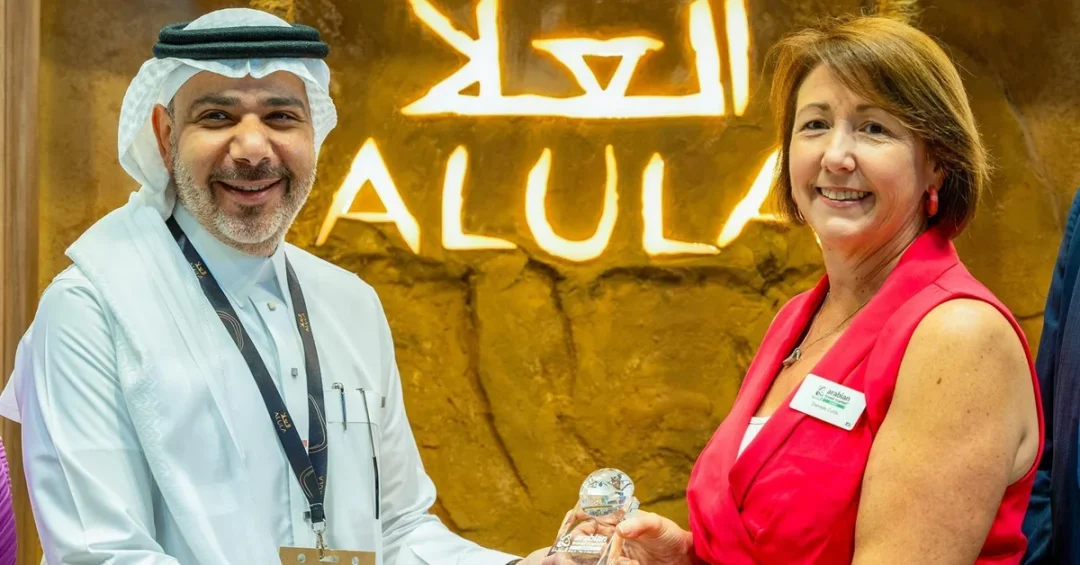
AlUla’s pavilion at the Arabian Travel Market (ATM) 2024 in Dubai has been awarded the Best Sustainable Pavilion award, recognizing the destination’s commitment to eco-friendly practices and its alignment with Saudi Arabia’s Vision 2030. The announcement was made via the Saudi Press Agency on May 8, 2024, highlighting AlUla’s innovative design that prioritizes sustainability without compromising on luxury heritage appeal. The pavilion stood out among 2,844 participating pavilions, showcasing the Kingdom’s dedication to responsible tourism development.
Context and Background
The Arabian Travel Market is the Middle East’s premier travel and tourism exhibition, drawing global industry leaders and stakeholders. AlUla, a heritage destination in northwestern Saudi Arabia, has been undergoing significant development under the Vision 2030 umbrella, aiming to position itself as a world-class cultural and tourism hub. The award underscores the growing importance of sustainability in the region’s tourism sector and aligns with the global push for more environmentally conscious travel. AlUla’s achievement reflects the Kingdom’s broader efforts to diversify its economy and promote sustainable practices across all sectors.
Key Details
According to the Saudi Press Agency, the pavilion was constructed using eco-friendly materials sourced from local suppliers, including wood and recycled metal. It embraced the ‘AlUla Green Initiative 2024’ slogan, emphasizing the collective impact of small actions in achieving sustainability. The pavilion featured energy-efficient lighting, advanced waste management systems, and digital content to replace paper materials. Reusable components, such as furniture, frames, and steel floors, were designed to be transported in a single logistics platform, significantly reducing carbon emissions from transportation. Additionally, the use of environmental paints and formaldehyde-free MDF panels further minimized environmental impact.
Implications and Impact
The recognition at ATM 2024 not only highlights AlUla’s sustainability leadership but also enhances Saudi Arabia’s reputation as a responsible tourism destination on the global stage. This award is expected to attract eco-conscious travelers and investors, aligning with the Kingdom’s goal to welcome 150 million annual visits by 2030. The innovative approach to pavilion design sets a benchmark for other exhibitors, encouraging the adoption of greener practices across the industry. Furthermore, the use of local materials supports the domestic economy and showcases Saudi expertise in sustainable construction.
Vision 2030 Alignment
AlUla’s success at the Arabian Travel Market exemplifies the Kingdom’s commitment to Vision 2030, which prioritizes environmental stewardship, economic diversification, and cultural preservation. The pavilion’s sustainable design and operations contribute directly to the Saudi Green Initiative, a key pillar of Vision 2030 aimed at reducing carbon emissions and enhancing quality of life. As AlUla continues to develop as a luxury heritage destination, its leadership in sustainability will serve as a model for future projects, reinforcing Saudi Arabia’s role as a global leader in sustainable tourism and innovation.
20 Questions
Q1. What award did the AlUla Pavilion win at the Arabian Travel Market 2024?
A1. The AlUla Pavilion won the Best Sustainable Pavilion award at the Arabian Travel Market 2024, recognizing its innovative and environmentally friendly design that met high sustainability standards.
Q2. When and where was the award announced?
A2. The award was announced on May 8, 2024, via the Saudi Press Agency. The Arabian Travel Market was held in Dubai, United Arab Emirates.
Q3. How many pavilions participated in the event?
A3. There were 2,844 participating pavilions at the Arabian Travel Market 2024, making AlUla’s achievement particularly notable given the high competition.
Q4. What is the ‘AlUla Green Initiative 2024’?
A4. The ‘AlUla Green Initiative 2024’ is the slogan for this year’s AlUla Pavilion, emphasizing the importance of every effort, no matter how small, in achieving a more sustainable future.
Q5. What materials were used to build the pavilion?
A5. The pavilion was built using environmentally friendly materials such as wood and recycled metal, which were obtained from local suppliers to support sustainability.
Q6. How did the pavilion reduce its environmental impact?
A6. Energy-efficient lighting systems and advanced waste management systems were installed, significantly reducing environmental impact while adhering to sustainability standards.
Q7. What digital solutions were employed?
A7. The pavilion featured digital content instead of paper materials, reducing waste and promoting a more sustainable approach to information dissemination.
Q8. How were reusable parts transported to minimize carbon emissions?
A8. All reusable pavilion parts, including furniture, frames, and steel floors, were collected in one transportation platform, reducing carbon emissions from transportation.
Q9. What other eco-friendly measures were taken?
A9. Other measures included using environmental paint and MDF panels that do not contain added formaldehyde, ensuring a healthier and more sustainable pavilion.
Q10. How does this award align with Saudi Vision 2030?
A10. The award supports Vision 2030’s goals of economic diversification, environmental sustainability, and positioning Saudi Arabia as a global tourism hub through responsible practices.
Q11. What is the significance of using local suppliers for materials?
A11. Using local suppliers reduces transportation emissions and supports the local economy, aligning with sustainability goals and boosting domestic industries.
Q12. What is the role of the Saudi Green Initiative in this achievement?
A12. The Saudi Green Initiative aims to reduce carbon emissions and enhance sustainability; AlUla’s pavilion directly contributes to these national goals.
Q13. How does this award affect AlUla’s tourism appeal?
A13. The award enhances AlUla’s reputation as a sustainable luxury destination, attracting eco-conscious travelers and investors interested in responsible tourism.
Q14. What are the long-term benefits for AlUla’s development?
A14. Long-term benefits include increased tourism, economic growth, and the establishment of AlUla as a model for sustainable development in the region.
Q15. How can other exhibitors learn from AlUla’s pavilion?
A15. Other exhibitors can adopt similar sustainable practices, such as using eco-friendly materials, digital content, and efficient transportation, to reduce their environmental footprint.
Q16. What is the concept of ‘reusable parts’ and its impact?
A16. Reusable parts are components designed for multiple uses, reducing waste and resource consumption. This approach minimizes environmental impact and promotes circular economy principles.
Q17. How does the digital content replace paper materials?
A17. Digital content, such as screens and interactive displays, provides information without generating paper waste, reducing deforestation and waste management needs.
Q18. What does the award symbolize for Saudi Arabia’s global position?
A18. The award symbolizes Saudi Arabia’s commitment to leading sustainable tourism and innovation, enhancing its global standing as a responsible and forward-thinking nation.
Q19. How does AlUla’s heritage blend with sustainability?
A19. AlUla’s rich cultural heritage is preserved while adopting modern sustainable practices, demonstrating that heritage and sustainability can coexist harmoniously.
Q20. What future initiatives might follow this success?
A20. Future initiatives could include more sustainable tourism projects, further development of eco-friendly infrastructure, and continued leadership in green practices across the travel industry.
Reader Feedback
We value your thoughts. Please share your feedback on this article.
Your feedback helps us improve our coverage.
Related articles
 Saudi Tourism Authority Welcomes Visitors from All over the World
 Madinah Airport Welcomes First Afghan Pilgrims for Hajj 1445
 Saudia Airlines Unveils Comprehensive Hajj Plan for 1.2 Million Pilgrims
 Saudi Tourism Minister Welcomes Hyatt Expansion to 5,000 Rooms
 Boutique Group Marks Debut at ATM with Ultra-Luxury Vision
 Saudi Red Sea Authority Concludes Arabian Travel Market