


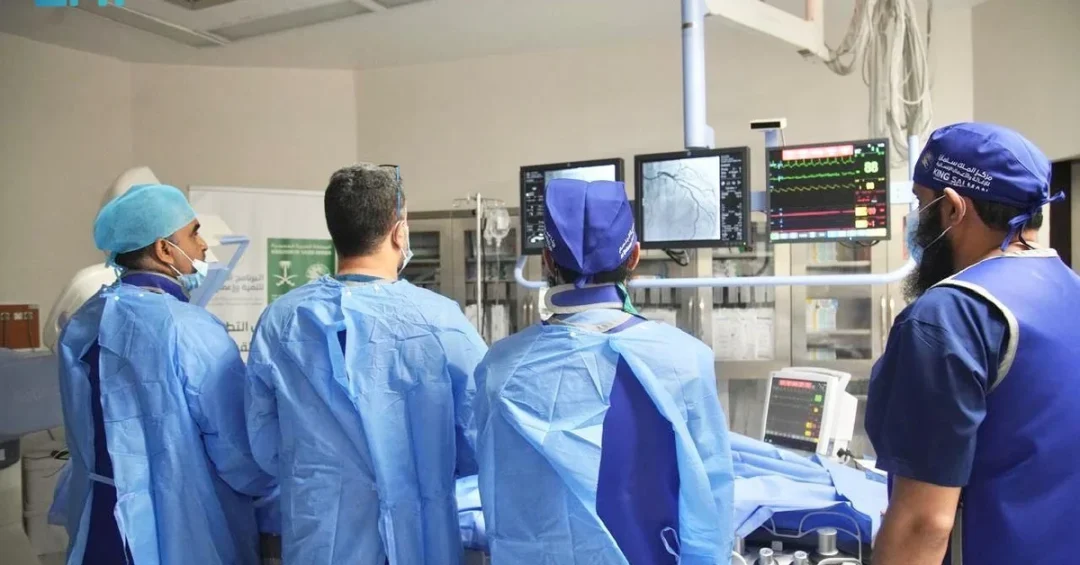
The King Salman Humanitarian Aid and Relief Center (KSrelief) launched a voluntary medical project for cardiac surgery and catheterization for children and adults at Prince Mohammed bin Salman Hospital in Aden Governorate, Yemen, on May 7, 2024. The project, which runs until May 15, involves 23 medical volunteers from various specialties and is implemented in cooperation with the Saudi Development and Reconstruction Program for Yemen (SDRPY). Since the initiative began, the medical team has successfully performed 35 cardiac catheterizations and eight open-heart surgeries, all of which were completed without complications.
Context and Background
Yemen has faced a prolonged humanitarian crisis that has severely impacted its healthcare infrastructure, leaving many citizens without access to essential medical services. In response, the Kingdom of Saudi Arabia, through KSrelief, has consistently provided relief and medical assistance to the Yemeni people. This latest voluntary medical project is part of a broader series of initiatives aimed at alleviating suffering and restoring hope. The partnership with SDRPY underscores Saudi Arabia’s commitment to comprehensive reconstruction and development in Yemen, focusing not only on immediate relief but also on long-term capacity building.
Key Details
The voluntary medical project, running from May 7 to May 15, 2024, brings together 23 volunteers specializing in cardiac surgery, catheterization, nursing, and related fields. They are working at Prince Mohammed bin Salman Hospital in Aden, a facility that has become a cornerstone of healthcare in the region. According to official sources, the team has already performed 35 cardiac catheterizations and eight open-heart surgeries, all successful. These procedures address a range of heart conditions in both children and adults, offering life-saving treatment to those who might otherwise go without. The project exemplifies the precision and dedication of Saudi medical volunteers and their partners.
Implications and Impact
The launch of this project carries significant implications for Yemen’s healthcare sector and for Saudi-Yemeni relations. By providing advanced cardiac care, KSrelief is directly improving the health and well-being of Yemeni citizens, reducing the burden on an already strained healthcare system. Moreover, it strengthens the bonds between the two nations, demonstrating Saudi Arabia’s unwavering support for its neighbor. On a broader scale, this initiative contributes to regional stability by addressing critical humanitarian needs, which can help pave the way for recovery and development. The success of the surgeries also highlights the effectiveness of Saudi-led humanitarian efforts and the importance of international cooperation in crisis response.
Vision 2030 Alignment
This project aligns seamlessly with Saudi Arabia’s Vision 2030, which emphasizes humanitarian leadership and global engagement as key pillars of the Kingdom’s foreign policy. Under Vision 2030, Saudi Arabia seeks to play a proactive role in promoting peace, stability, and prosperity in the region and beyond. KSrelief’s work in Yemen reflects these aspirations, showcasing the Kingdom’s commitment to alleviating human suffering and fostering sustainable development. By investing in health and well-being, Saudi Arabia not only fulfills its humanitarian obligations but also reinforces its position as a responsible global actor dedicated to making a positive difference in the world.
20 Questions
Q1. What is the King Salman Humanitarian Aid and Relief Center (KSrelief)?
A1. KSrelief is Saudi Arabia’s humanitarian aid agency, established to provide relief and assistance to people in need worldwide. It operates under the leadership of the Kingdom and implements projects in health, food security, education, and other sectors.
Q2. Where and when did the cardiac surgery project launch?
A2. The project launched on May 7, 2024, at Prince Mohammed bin Salman Hospital in Aden Governorate, Yemen. It will continue until May 15, 2024, providing critical cardiac care to children and adults.
Q3. How many volunteers are participating in the project?
A3. Twenty-three medical volunteers from various specialties are participating. They include cardiac surgeons, catheterization specialists, nurses, and support staff, all dedicated to treating patients in need.
Q4. What procedures have been performed so far?
A4. As of the latest update, the team has performed 35 cardiac catheterizations and eight open-heart surgeries. All procedures were successful, reflecting the high level of expertise of the volunteers.
Q5. Which organization is partnering with KSrelief on this project?
A5. The Saudi Development and Reconstruction Program for Yemen (SDRPY) is partnering with KSrelief. SDRPY focuses on rebuilding Yemen’s infrastructure and supporting vital sectors like healthcare.
Q6. Why is this project important for Yemen?
A6. Yemen’s healthcare system has been severely damaged by conflict, leaving many without access to cardiac care. This project provides life-saving treatments and relieves pressure on local hospitals, offering hope to patients.
Q7. What types of heart conditions are being treated?
A7. The project addresses congenital heart defects in children and acquired heart diseases in adults. Procedures include catheterizations to open blocked arteries and open-heart surgeries to repair structural issues.
Q8. How does this project reflect Saudi Arabia’s humanitarian commitment?
A8. It demonstrates Saudi Arabia’s ongoing dedication to alleviating human suffering through KSrelief. The Kingdom consistently provides aid to Yemen and other countries, embodying its humanitarian values and leadership.
Q9. What is the role of Prince Mohammed bin Salman Hospital?
A9. The hospital serves as the primary facility in Aden for advanced medical care. It hosts the volunteer team and provides the necessary infrastructure for cardiac surgeries and catheterizations.
Q10. How long will the project last?
A10. The project runs from May 7 to May 15, 2024, a nine-day mission. During this period, the team aims to treat as many patients as possible, focusing on urgent cardiac cases.
Q11. Are the surgeries provided free of charge?
A11. Yes, all medical services are provided free of charge as part of Saudi Arabia’s humanitarian aid. This ensures that financial constraints do not prevent patients from receiving essential care.
Q12. How many patients are expected to benefit?
A12. While the exact number is not specified, dozens of patients are expected to receive treatment. The project prioritizes urgent cases and aims to maximize its impact within the timeframe.
Q13. What specialties are represented among the volunteers?
A13. Volunteers include cardiac surgeons, interventional cardiologists, anesthesiologists, nurses, and technicians. Their diverse skills ensure comprehensive care for patients before, during, and after procedures.
Q14. How does this project align with Vision 2030?
A14. It reflects Vision 2030’s emphasis on humanitarian leadership and global engagement. By providing aid, Saudi Arabia strengthens its role as a responsible international actor committed to peace and prosperity.
Q15. Has KSrelief implemented similar projects in Yemen before?
A15. Yes, KSrelief has a long history of medical volunteer projects in Yemen, covering various specialties. These initiatives are part of ongoing efforts to support the Yemeni health sector.
Q16. What challenges does the medical team face?
A16. Challenges include limited resources, security concerns, and a high volume of patients. However, the team’s expertise and preparation enable them to overcome these obstacles and deliver quality care.
Q17. How can other organizations support such initiatives?
A17. Organizations can partner with KSrelief or SDRPY to provide funding, supplies, or personnel. Collaboration amplifies impact and ensures sustainable support for Yemen’s healthcare recovery.
Q18. What is the Saudi Development and Reconstruction Program for Yemen (SDRPY)?
A18. SDRPY is a Saudi initiative focused on rebuilding Yemen’s infrastructure and essential services. It works across sectors like health, education, and energy to restore normalcy and support development.
Q19. How does this project contribute to regional stability?
A19. By addressing critical health needs, it reduces suffering and fosters goodwill, which can contribute to long-term stability. Humanitarian aid helps create conditions for peace and recovery in Yemen.
Q20. What message does this project send to the international community?
A20. It showcases Saudi Arabia’s commitment to humanitarian causes and its ability to lead effective relief efforts. The project underscores the Kingdom’s role as a stabilizing force and a compassionate global partner.
Reader Feedback
We value your thoughts. Please share your feedback on this article.
Your feedback helps us improve our coverage.