


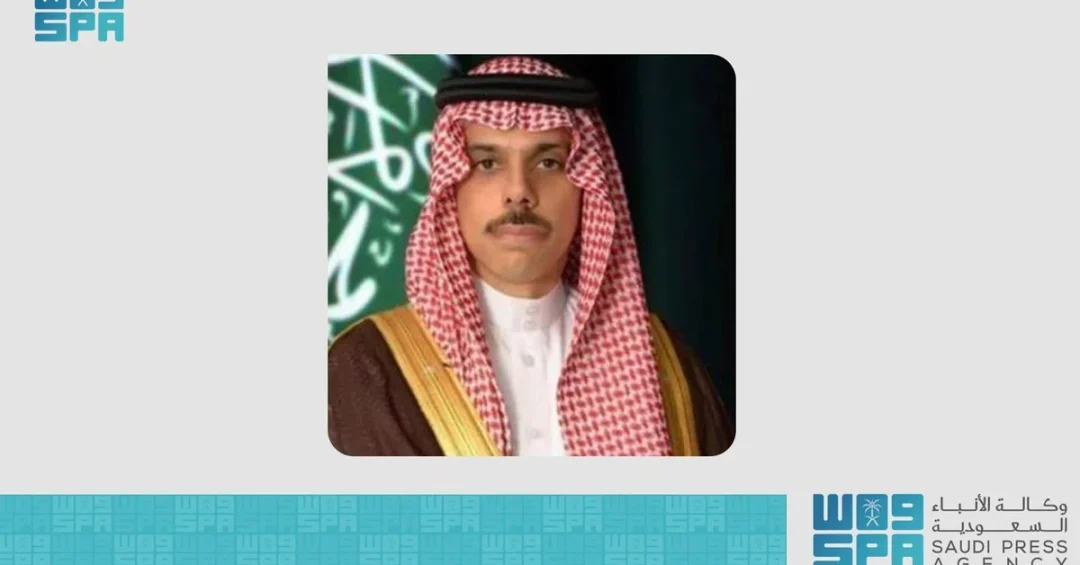
Saudi Minister of Foreign Affairs Prince Faisal bin Farhan bin Abdullah held a telephone conversation with Jordanian Deputy Prime Minister and Minister of Foreign Affairs and Expatriates Ayman Safadi on May 8, 2024, to discuss recent developments in the Gaza Strip and the Palestinian city of Rafah, according to the Saudi Press Agency.
During the call, both diplomats underscored the imperative of halting the ongoing Israeli military escalation and warned of the danger posed by Israel’s occupation of the Palestinian side of the Rafah border crossing and its closure to humanitarian aid entering the strip.
Context and Background
The Rafah border crossing, situated on the border between the Gaza Strip and Egypt, serves as a vital lifeline for humanitarian aid and essential supplies. Its closure exacerbates an already dire humanitarian situation, particularly affecting civilians in need. The discussion between the Saudi and Jordanian foreign ministers reflects ongoing diplomatic efforts to address the crisis and mitigate its impact on the Palestinian population.
Saudi Arabia has consistently advocated for a peaceful resolution to the Israeli-Palestinian conflict, supporting international efforts to achieve a two-state solution and ensure the rights of the Palestinian people. The Kingdom’s engagement with regional partners like Jordan demonstrates its commitment to stability and humanitarian principles.
Key Details
Prince Faisal and Minister Safadi specifically highlighted the risks associated with Israel’s military operations in Rafah, emphasizing the potential for further escalation and suffering. They called for immediate international action to cease hostilities and reopen the crossing to allow humanitarian relief to reach those in need.
Both officials reaffirmed the importance of coordinated diplomatic action to uphold international law and protect civilians. This conversation is part of a series of consultations between Saudi Arabia and Jordan on regional issues, underscoring their shared positions and mutual commitment to peace.
Implications and Impact
The discussion underscores the urgency of de-escalation and the need for unimpeded humanitarian access. The closure of the Rafah crossing has severe implications for the delivery of food, medicine, and other essential supplies, potentially worsening the humanitarian crisis. The joint stance of Saudi Arabia and Jordan adds weight to international calls for restraint and dialogue.
This development matters as it signals continued Arab diplomatic engagement to prevent further deterioration and to advocate for the protection of Palestinian civilians. It also highlights the broader regional concern about the conflict’s spillover effects and the importance of coordinated responses.
Vision 2030 Alignment
Saudi Arabia’s active diplomacy in addressing regional crises aligns with the principles of Vision 2030, which seeks to promote stability, security, and prosperity both domestically and internationally. By engaging with key allies like Jordan, the Kingdom reinforces its role as a responsible global actor dedicated to peace and humanitarian values, contributing to a more stable and secure region.
20 Questions
Q1. Who spoke on May 8, 2024, regarding Gaza and Rafah?
A1. Saudi Minister of Foreign Affairs Prince Faisal bin Farhan bin Abdullah and Jordanian Deputy Prime Minister and Minister of Foreign Affairs and Expatriates Ayman Safadi held a telephone conversation to discuss recent developments in the Gaza Strip and Rafah.
Q2. What did the two ministers emphasize about the Israeli military operations?
A2. They underscored the imperative of halting the ongoing Israeli military escalation and highlighted the danger of Israel’s occupation of the Palestinian side of the Rafah border crossing and its closure to humanitarian aid.
Q3. Why is the Rafah border crossing significant?
A3. The Rafah border crossing is a vital lifeline for humanitarian aid and essential supplies entering the Gaza Strip, and its closure affects the delivery of aid to civilians in need.
Q4. How does Saudi Arabia typically approach the Israeli-Palestinian conflict?
A4. Saudi Arabia advocates for a peaceful resolution based on a two-state solution, supports international efforts to uphold Palestinian rights, and engages with regional partners to promote stability and humanitarian principles.
Q5. What role does Jordan play in this context?
A5. Jordan, as a key regional partner, collaborates with Saudi Arabia on diplomatic initiatives concerning Palestinian issues, sharing concerns about escalation and the humanitarian impact in Gaza.
Q6. What was the main concern expressed during the call?
A6. The main concern was the danger posed by Israel’s occupation of the Rafah crossing’s Palestinian side and its closure to humanitarian aid, which could worsen the humanitarian crisis.
Q7. What actions did the ministers call for?
A7. They called for immediate international action to halt hostilities and reopen the Rafah crossing to allow humanitarian relief to reach those in need.
Q8. When did this telephone conversation take place?
A8. The telephone conversation took place on May 8, 2024, as reported by the Saudi Press Agency.
Q9. Why is coordination between Saudi Arabia and Jordan important?
A9. Coordination between Saudi Arabia and Jordan is important because it strengthens Arab diplomatic efforts, presents a unified stance on regional issues, and enhances the push for de-escalation and humanitarian access.
Q10. What are the potential consequences of the Rafah crossing closure?
A10. The closure can lead to severe shortages of food, medicine, and other essentials, exacerbating the humanitarian crisis for Palestinian civilians and increasing suffering.
Q11. How does this discussion reflect Saudi Arabia’s foreign policy?
A11. It reflects Saudi Arabia’s commitment to regional stability, peaceful conflict resolution, and humanitarian values, consistent with its broader foreign policy objectives.
Q12. What is the significance of the timing of this call?
A12. The call’s timing underscores the urgency of addressing the escalating situation in Rafah and the need for immediate diplomatic intervention to prevent further deterioration.
Q13. Did the ministers mention any specific humanitarian aid?
A13. Yes, they highlighted the closure of the Rafah crossing to humanitarian aid, emphasizing the need to reopen it for essential supplies to reach the Gaza Strip.
Q14. How does this relate to Vision 2030?
A14. Saudi Arabia’s diplomatic efforts align with Vision 2030’s goals of promoting stability, security, and prosperity, reinforcing the Kingdom’s role as a responsible global actor dedicated to peace.
Q15. What is the two-state solution mentioned in the context?
A15. The two-state solution envisions an independent Palestinian state alongside Israel, a framework supported by Saudi Arabia and many international actors as a path to lasting peace.
Q16. What other regional issues might be connected to this discussion?
A16. The discussion is part of broader regional concerns including Palestinian-Israeli tensions, humanitarian access, and the need for Arab unity on these critical matters.
Q17. How does this call contribute to international efforts?
A17. It adds momentum to international calls for restraint, dialogue, and humanitarian access, highlighting Arab diplomatic engagement and shared positions.
Q18. What did the ministers say about Israeli escalation?
A18. They underscored the imperative of halting the ongoing Israeli military escalation, reflecting their concern about its impact on civilians and regional stability.
Q19. What is the expected outcome of such diplomatic conversations?
A19. Such conversations aim to coordinate positions, pressure for de-escalation, and promote humanitarian access, contributing to a unified international response to the crisis.
Q20. How does Saudi Arabia balance its regional diplomacy with other global engagements?
A20. Saudi Arabia continues to engage with multiple global partners while prioritizing regional stability and humanitarian issues, demonstrating a comprehensive and principled foreign policy approach.
Reader Feedback
We value your thoughts. Please share your feedback on this article.
Your feedback helps us improve our coverage.