


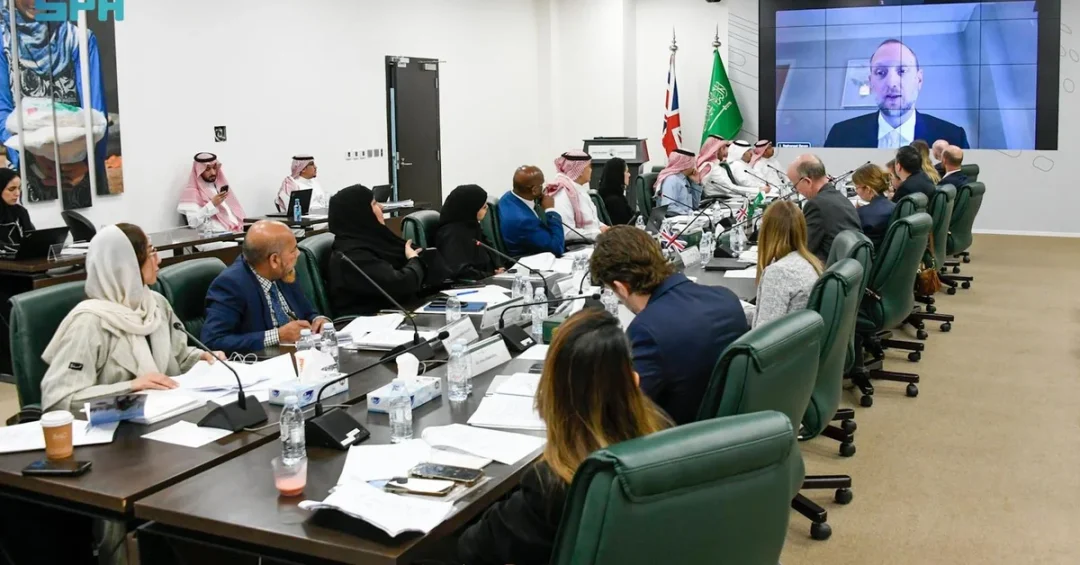
Saudi Arabia and the United Kingdom convened the fourth roundtable meeting of their second Strategic Dialogue on International Development and Humanitarian Aid at the headquarters of the King Salman Humanitarian Aid and Relief Center (KSrelief) in Riyadh on May 7, 2024, bringing together senior officials from both countries to sharpen the effectiveness of global aid and to reinforce a partnership grounded in sustainable development and shared humanitarian goals.
The session, announced through official Saudi channels, centred on the effectiveness of aid, research and study impact. It forms part of a broader bilateral framework that allows Riyadh and London to compare successful strategies, exchange lessons learned and translate discussion into practical, implementable recommendations for projects delivered in some of the world’s most fragile and at-risk regions.
Context and Background
Saudi Arabia has steadily expanded its role as a leading international donor, with KSrelief and the Saudi Fund for Development (SFD) delivering relief, financing and reconstruction support across Asia, Africa and the Middle East. The Strategic Dialogue with the United Kingdom provides a structured channel for the two countries to align aid policy, development financing and humanitarian response, building on earlier rounds that addressed related themes.
The format reflects a wider pattern of deepening Saudi-British cooperation, in which official delegations meet regularly to review progress, identify gaps and agree on principles that guide joint programming. Each roundtable adds to a cumulative body of technical recommendations that both governments intend to apply in the field.
Key Details
The meeting was chaired by Eng. Bandar bin Abdullah Al-Bazie, Director-General of Development Affairs at the Saudi Fund for Development. The Saudi delegation included representatives from the ministries of foreign affairs and finance, the Saudi Development and Reconstruction Program for Yemen, and KSrelief, demonstrating a coordinated, whole-of-government approach to development and relief work.
From the British side, Melinda Bohannon, Director General of Humanitarian and Development at the Foreign, Commonwealth and Development Office (FCDO), attended along with several UK officials. Participants discussed ways to share successful strategies and lessons learned, improve development practices, and develop tangible and implementable recommendations to integrate community resilience into project design.
Discussions also covered the monitoring and evaluation of future projects, strengthening the Saudi Arabia-United Kingdom partnership through a shared commitment to effective aid and sustainable development, and identifying opportunities to increase coordination among donor entities. Officials stressed the importance of cooperation in enhancing the humanitarian, development and peace (HDP) nexus to ensure peace and prosperity in fragile and at-risk countries, and outlined fundamental principles for programmes that support the nexus approach, ensuring sustainability and resilience over the long term.
Implications and Impact
The roundtable carries significance beyond the bilateral relationship. Improved donor coordination can reduce duplicated effort, pool technical expertise and direct resources more efficiently to communities affected by conflict, displacement and economic shocks. By pairing emergency relief with longer-term development and peacebuilding, the HDP nexus approach aims to help vulnerable societies recover faster and withstand future crises.
For international audiences, the meeting signals Saudi Arabia’s continued emergence as a responsible and constructive actor in global humanitarian affairs, working alongside established partners such as the United Kingdom. The practical focus on evaluation, resilience and measurable outcomes also reflects a broader shift in development practice toward accountability and evidence-based programming.
Vision 2030 Alignment
Saudi Arabia’s humanitarian and development diplomacy sits at the heart of Vision 2030, the Kingdom’s national transformation programme, which seeks a diversified economy, a strengthened international reputation and an influential global role. By investing in aid effectiveness, research and international partnerships, the Kingdom reinforces its position as a leading donor and a bridge-builder in a rapidly changing world.
As both delegations carry the recommendations of the fourth roundtable into future rounds, the emphasis will remain on scaling successful approaches, expanding donor coordination and strengthening resilience in the countries that need it most, advancing a shared vision of stability, prosperity and sustainable development.
20 Questions
Q1. What was the purpose of the fourth roundtable meeting held in Riyadh?
A1. The fourth roundtable examined the effectiveness of aid, research and study impact within the second Saudi-British Strategic Dialogue on International Development and Humanitarian Aid. It focused on sharing successful strategies, improving development practices and producing concrete recommendations for future humanitarian and development programming.
Q2. Where was the meeting held?
A2. The meeting took place at the headquarters of the King Salman Humanitarian Aid and Relief Center in Riyadh, Saudi Arabia, on May 7, 2024. KSrelief, as the Kingdom’s dedicated humanitarian arm, hosted the session, reflecting its central role in coordinating Saudi relief and development efforts worldwide.
Q3. Who chaired the Saudi side of the meeting?
A3. The meeting was chaired by Eng. Bandar bin Abdullah Al-Bazie, Director-General of Development Affairs at the Saudi Fund for Development. He led discussions on aid effectiveness, donor coordination and the integration of community resilience into development projects supported by the Kingdom.
Q4. Who represented the United Kingdom?
A4. Melinda Bohannon, Director General of Humanitarian and Development at the UK Foreign, Commonwealth and Development Office, led the British delegation alongside several UK officials. Her participation underscores London’s commitment to partnering with Riyadh on international development and humanitarian priorities.
Q5. Which Saudi entities attended the meeting?
A5. Representatives from the ministries of foreign affairs and finance, the Saudi Development and Reconstruction Program for Yemen and KSrelief took part. Their combined presence reflected a whole-of-government approach that aligns humanitarian relief, financing and reconstruction expertise behind shared development objectives.
Q6. What is the second Strategic Dialogue on International Development and Humanitarian Aid?
A6. It is a structured Saudi-British framework for sustained cooperation on aid policy, development financing and humanitarian response. The dialogue enables both countries to align strategies, exchange technical expertise and jointly address challenges in fragile and at-risk countries around the world.
Q7. What does the HDP nexus mean?
A7. The humanitarian, development and peace nexus describes an approach that links emergency relief, long-term development and peacebuilding so interventions reinforce one another. Saudi and British officials stressed that this integrated method is essential for building sustainability and resilience in countries affected by conflict and instability.
Q8. Why is aid effectiveness important?
A8. Aid effectiveness ensures that limited resources deliver measurable, lasting improvements for beneficiary communities. By monitoring and evaluating projects, donors can direct funding toward proven approaches, reduce duplication and strengthen the impact of every riyal invested in development work around the world.
Q9. What role does KSrelief play in Saudi humanitarian work?
A9. KSrelief is the Kingdom’s principal humanitarian agency, delivering relief and development assistance across dozens of countries. It implements food, health, shelter, education and water projects, and increasingly partners with international organisations to ensure aid reaches the most vulnerable populations efficiently.
Q10. What is the Saudi Fund for Development?
A10. The Saudi Fund for Development is a government institution that finances development projects in developing countries through concessional loans and grants. It supports infrastructure, education, health and energy initiatives, contributing to economic growth and stability in partner nations across Asia, Africa and beyond.
Q11. How does the meeting support community resilience?
A11. Participants explored practical recommendations for integrating community resilience into project design, so that societies can withstand shocks and recover faster. This includes strengthening local institutions, livelihoods and infrastructure, ensuring that assistance produces durable benefits rather than short-term relief alone.
Q12. What monitoring and evaluation measures were discussed?
A12. Officials reviewed methods for tracking project performance, measuring outcomes and applying lessons learned to future programming. Robust monitoring and evaluation allow both countries to demonstrate accountability to taxpayers and partners while continuously refining the design of humanitarian and development interventions.
Q13. Why is donor coordination emphasised?
A13. Coordinated donors avoid duplicated effort, pool expertise and align priorities in countries facing complex crises. Saudi Arabia and the United Kingdom identified opportunities to increase coordination among donor entities, aiming to maximise the reach and efficiency of assistance delivered to vulnerable communities.
Q14. Which countries benefit from the approach discussed?
A14. The discussion centred on fragile and at-risk countries where conflict, displacement and economic shocks threaten stability. By combining humanitarian, development and peace efforts, the two countries seek to help such nations build resilience and move toward long-term prosperity and security.
Q15. How does this reflect Saudi-British relations?
A15. The roundtable demonstrates a deepening partnership between Riyadh and London that extends beyond diplomacy into practical development cooperation. Both sides reaffirmed a shared commitment to effective aid, sustainable development and joint action on global humanitarian challenges.
Q16. What is the Saudi Development and Reconstruction Program for Yemen?
A16. It is a Saudi initiative that supports Yemen’s reconstruction, economic recovery and essential services, including health, education, energy and transport projects. Its participation highlights the Kingdom’s sustained commitment to stability and development in its southern neighbour.
Q17. How does the meeting align with Vision 2030?
A17. Vision 2030 seeks a diversified economy and an influential global role for the Kingdom. By strengthening aid effectiveness and international partnerships, Saudi Arabia reinforces its position as a responsible donor and a leader in humanitarian diplomacy on the world stage.
Q18. What were the key outcomes of the fourth roundtable?
A18. The meeting produced tangible, implementable recommendations on aid effectiveness, community resilience and project evaluation, and identified ways to deepen donor coordination. It also outlined principles for programmes that apply the humanitarian, development and peace nexus to ensure sustainability.
Q19. How many rounds have been held in this dialogue?
A19. The Riyadh session was the fourth roundtable held under the second Strategic Dialogue on International Development and Humanitarian Aid, following earlier rounds that covered related themes. Each round builds on previous discussions, creating a cumulative body of practical recommendations for both countries.
Q20. What comes next after this meeting?
A20. Both delegations are expected to carry the recommendations into future rounds and translate them into joint programmes and policy adjustments. Continued dialogue will focus on scaling successful approaches, expanding donor coordination and strengthening resilience in the countries that need it most.
Reader Feedback
We value your thoughts. Please share your feedback on this article.
Your feedback helps us improve our coverage.