


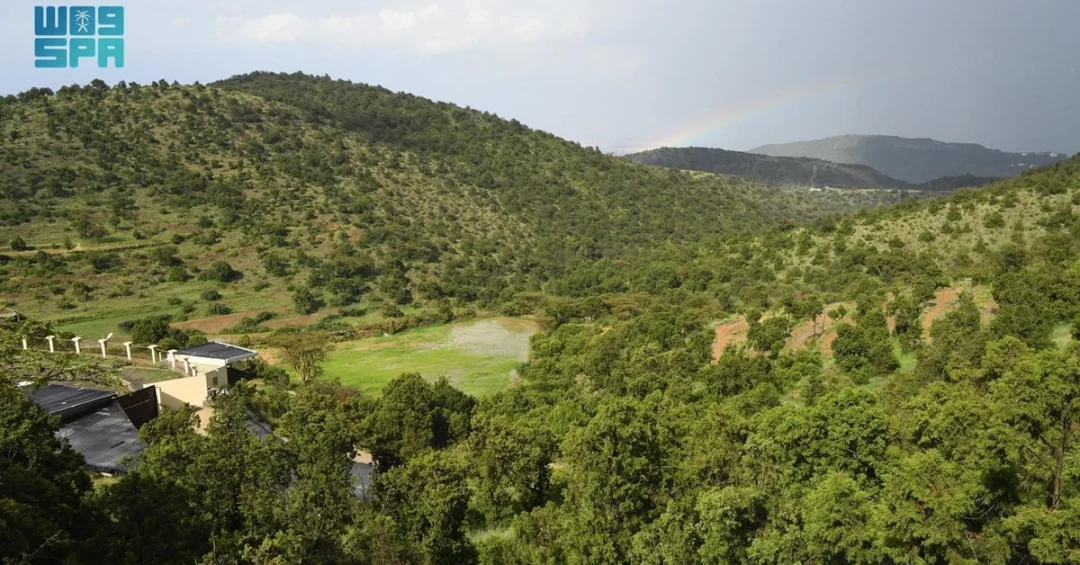
The Aseer Region of Saudi Arabia is showcasing its rich biodiversity this winter, with officials and experts highlighting ongoing protection and rehabilitation efforts to sustain its unique plant life. According to the Saudi Press Agency (SPA), the region’s highlands and plains have transformed into vibrant ecosystems, featuring almond, peach, and plum trees in the mountains, while the Tihama coastal area experiences extensive vegetation growth. Environmental expert Saeed Al-Suhaimi emphasized that while these natural assets face challenges such as declining rainfall and urban expansion, early-stage conservation programs are crucial for long-term sustainability.
Context and Background
Aseer’s diverse geography, ranging from mountain peaks to coastal zones, supports a variety of native species, including acacia, tamarisk, desert shrubs, and flowering plants that are vital for honey production. The region’s winter season is particularly significant for vegetation renewal and ecological balance. However, environmental expert Saeed Al-Suhaimi noted that factors like reduced fog levels, excessive logging, and invasive species have weakened the ecosystem. These challenges underscore the need for proactive measures, as the region’s natural pastures, despite their presence, are under pressure from recurrent droughts.
Key Details
The Saudi Press Agency report highlights that the Tihama area is witnessing the flowering of tropical trees, including mango, which is critical for the region’s agricultural output. Al-Suhaimi stressed that, contrary to perceptions, Aseer’s forests require significant intervention and long-term rehabilitation programs. Current efforts, though in their infancy, are seen as an important step in preserving the region’s environmental heritage. He pointed to the negative impacts of urban expansion and land reclamation, which have led to the loss of vegetation cover and the spread of invasive species that compete with native plants.
Implications and Impact
The health of Aseer’s biodiversity has broader implications for the Kingdom’s environmental goals and rural communities. Healthy plant life supports livestock, which many local families depend on, and maintains the ecological balance that benefits agriculture and tourism. The region’s unique landscapes are also a draw for eco-tourism, aligning with Saudi Arabia’s Vision 2030 to diversify the economy and promote sustainable development. The challenges highlighted by Al-Suhaimi reflect a global concern for environmental conservation, positioning Saudi Arabia as a proactive player in addressing climate-related issues.
Vision 2030 Alignment
Saudi Arabia’s Vision 2030 places a strong emphasis on environmental sustainability and the preservation of natural resources. The protection and rehabilitation of Aseer’s biodiversity directly support initiatives like the Saudi Green Initiative, which aims to increase vegetation cover and combat desertification. By investing in these early-stage efforts, the Kingdom underscores its commitment to a greener future, balancing economic growth with ecological stewardship. As these programs develop, they are expected to contribute significantly to environmental resilience and the well-being of future generations, reflecting a forward-looking approach that aligns with the nation’s long-term strategic vision.
20 Questions
Q1. What makes Aseer Region unique during winter?
A1. Aseer Region’s highlands and plains transform into vibrant ecosystems, with almond, peach, and plum trees thriving in the mountains and extensive vegetation in Tihama, making it a biodiversity hotspot.
Q2. Which official source provided the information for this article?
A2. The information is based on a report from the Saudi Press Agency (SPA), the official state news agency of Saudi Arabia.
Q3. Who is Saeed Al-Suhaimi?
A3. Saeed Al-Suhaimi is an environmental expert who spoke to the Saudi Press Agency, providing insights into the challenges and conservation efforts in Aseer.
Q4. What are some native plant species mentioned in Aseer?
A4. Native species include acacia, tamarisk, desert shrubs, and flowering wild plants, which are important for honey and pollen production.
Q5. How does the Tihama area contribute to biodiversity?
A5. Tihama sees extensive vegetation growth and flowering of tropical trees like mango, which is critical for vegetation renewal and ecological balance.
Q6. What environmental challenges does Aseer face?
A6. Challenges include declining rainfall, reduced fog levels, excessive logging, soil erosion, urban expansion, and invasive species, which threaten native plant life.
Q7. How has urban expansion affected Aseer’s vegetation?
A7. Urban expansion and land reclamation have resulted in the loss of large areas of vegetation cover and disrupted ecological balance.
Q8. What role do natural pastures play in Aseer?
A8. Natural pastures support livestock, but recurring droughts have reduced reliance on them, affecting livestock and their environmental role.
Q9. Are current conservation efforts considered sufficient?
A9. Current efforts are in early stages but represent an important step toward preserving environmental heritage and ensuring sustainability.
Q10. What is the significance of winter for Aseer’s plants?
A10. Winter is a critical season for vegetation renewal and ecological balance, with many plants flowering and thriving.
Q11. How does climate change impact Aseer’s biodiversity?
A11. Climate change contributes to declining rainfall and reduced fog, which are essential for sustaining plant life, particularly in highlands.
Q12. What is the Saudi Green Initiative?
A12. The Saudi Green Initiative is a national effort to increase vegetation cover, combat desertification, and reduce emissions, aligning with Vision 2030.
Q13. How does Aseer’s biodiversity support tourism?
A13. Aseer’s unique landscapes and plant life attract eco-tourism, offering visitors scenic beauty and opportunities for nature-based activities.
Q14. What is the economic value of biodiversity in Aseer?
A14. Biodiversity supports agriculture, honey production, and eco-tourism, contributing to local livelihoods and the national economy.
Q15. What are invasive species and why are they a problem?
A15. Invasive species are non-native plants that compete with native flora, disrupting ecological balance and reducing biodiversity.
Q16. How can rehabilitation programs help Aseer?
A16. Rehabilitation programs can restore degraded areas, reintroduce native species, and improve ecosystem resilience against future challenges.
Q17. What benefits do flowering plants provide to bees?
A17. Flowering plants provide nectar and pollen, essential for bee survival and honey production, which supports beekeeping industries.
Q18. How do local communities depend on Aseer’s natural resources?
A18. Communities rely on natural pastures for livestock grazing and on plant resources for traditional uses and income generation.
Q19. What is the long-term goal of conservation in Aseer?
A19. The long-term goal is to ensure sustainability and preservation of the region’s environmental heritage for future generations, according to experts.
Q20. How does this development align with Saudi Arabia’s strategic vision?
A20. It aligns with Saudi Vision 2030, which prioritizes environmental sustainability and the preservation of natural resources, as seen in initiatives like the Saudi Green Initiative.
Reader Feedback
We value your thoughts. Please share your feedback on this article.
Your feedback helps us improve our coverage.