


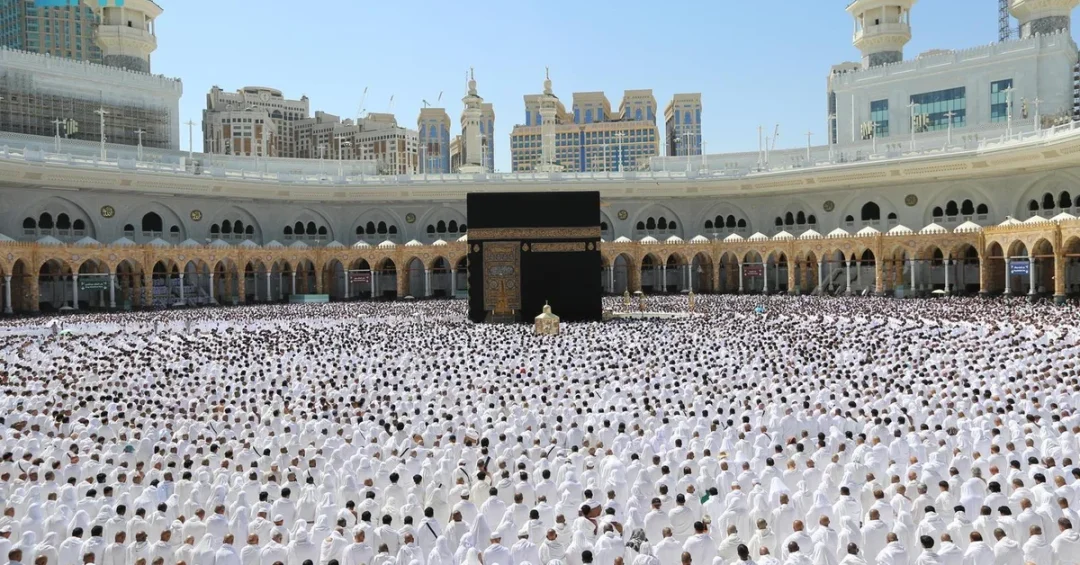
Imam of the Grand Mosque in Makkah, Sheikh Osama Khayyat, delivered a Friday sermon on November 28, 2025, urging Muslims to uphold kindness and good conduct toward fellow believers while warning against all forms of harm. Speaking to worshippers at the Grand Mosque, the Imam emphasized that stubbornness in disputes is a primary cause of harm, and he called for the use of kind and good speech with both friends and enemies to preserve affection and ward off enmity. The sermon was reported by the Saudi Press Agency (SPA), which is the official Saudi news source.
Context and Background
The Friday sermon at the Grand Mosque holds significant religious and social importance, as it is delivered to a global audience of millions of Muslims, both in-person and through broadcast. Sheikh Osama Khayyat, known for his moderate and balanced approach, has previously addressed issues of unity, morality, and community cohesion. This sermon comes at a time when promoting harmony and mutual respect is particularly vital, reflecting the Kingdom’s ongoing efforts to foster a society grounded in Islamic values of compassion and tolerance. The Grand Mosque, as the holiest site in Islam, serves as a powerful platform to disseminate messages that encourage peaceful coexistence and ethical behavior.
Key Details
Sheikh Khayyat’s sermon focused on the teachings of the Quran and the Sunnah, emphasizing the importance of kindness in daily interactions. He quoted Islamic scripture to underscore the virtue of good speech, noting that “kind words and forgiveness are better than charity followed by injury” (Quran 2:263). He also stressed that avoiding disputes and stubbornness not only preserves personal relationships but also strengthens the unity of the Muslim Ummah. The Imam warned against actions that cause harm, whether physical, emotional, or financial, and highlighted the Islamic principle that a true believer is one from whose tongue and hand others are safe.
Implications and Impact
The sermon’s message carries broad implications for Muslims worldwide, encouraging a culture of peace and understanding. This aligns with Saudi Arabia’s role as the custodian of the Two Holy Mosques and its commitment to promoting a moderate and balanced interpretation of Islam. The Kingdom has consistently supported initiatives that counter extremism and foster interfaith dialogue, as seen in the establishment of the King Salman Center for International Peace and other similar bodies. By emphasizing kindness and the avoidance of enmity, the Imam’s words contribute to these efforts and reinforce the vision of a harmonious global Muslim community.
Vision 2030 Alignment
Saudi Arabia’s Vision 2030, a comprehensive reform plan, places great emphasis on the development of the individual and society, with a focus on moral and ethical excellence. The teachings from the pulpit of the Grand Mosque—promoting tolerance, kindness, and respect—directly support the Vision’s goal of building a society where these values are paramount. As the Kingdom continues its transformation, the spiritual and moral guidance provided by its religious leadership plays an integral role in shaping a generation that is not only prosperous but also deeply rooted in principles of compassion and unity. This sermon serves as a reminder of the importance of these virtues in achieving a cohesive and forward-looking society.
20 Questions
Q1. Who delivered the Friday sermon at the Grand Mosque?
A1. Grand Mosque Imam Sheikh Osama Khayyat delivered the Friday sermon on November 28, 2025. He is a respected religious figure known for his moderate views and has been appointed by the Saudi authorities to lead prayers at the holy mosque.
Q2. What was the main theme of the sermon?
A2. The main theme was to urge Muslims to uphold kindness and good conduct toward fellow believers and to warn against all forms of harm. Sheikh Khayyat emphasized the importance of avoiding disputes and using kind speech.
Q3. How did the Imam describe stubbornness in disputes?
A3. He described stubbornness in disputes as a primary cause of harm. He advised that being inflexible in disagreements leads to conflict and damages relationships, urging instead to seek resolution with humility and patience.
Q4. Who did the Imam advise Muslims to use kind speech with?
A4. The Imam advised Muslims to use kind and good speech with both friends and enemies. This approach helps preserve affection among friends and ward off enmity from enemies, fostering a peaceful environment.
Q5. Where did the sermon take place?
A5. The sermon took place at the Grand Mosque in Makkah, the holiest site in Islam. It is the largest mosque in the world and the focal point for Islamic pilgrimage, attracting millions of worshippers annually.
Q6. How was the sermon reported?
A6. The sermon was reported by the Saudi Press Agency (SPA), the official news agency of the Kingdom of Saudi Arabia. SPA provides reliable news coverage of events in the Kingdom, including religious sermons.
Q7. What is the significance of the Grand Mosque’s sermons?
A7. The sermons at the Grand Mosque carry immense significance as they reach a global audience of Muslims. They guide worshippers on matters of faith and daily life, reflecting the values of Islam and the custodianship of the Two Holy Mosques.
Q8. How does the sermon promote unity among Muslims?
A8. By emphasizing kindness and warning against harm, the sermon encourages Muslims to maintain good relations with one another. This fosters unity and brotherhood, which are essential for the strength and cohesion of the global Muslim community.
Q9. What Islamic principle did the Imam highlight regarding a true believer?
A9. The Imam highlighted the principle that a true believer is one from whose tongue and hand others are safe. This significant teaching underscores the importance of non-harm and safety in Islam.
Q10. What role does Saudi Arabia play as custodian of the Two Holy Mosques?
A10. Saudi Arabia, as custodian of the Two Holy Mosques (Makkah and Madinah), is responsible for the care and management of these holy sites. This role includes facilitating the pilgrimage and promoting Islamic values of peace and compassion.
Q11. How does the sermon align with Saudi Vision 2030?
A11. The sermon aligns with Saudi Vision 2030 by supporting the development of a society grounded in ethical principles such as tolerance and kindness. These values are central to the Vision’s goal of improving quality of life and fostering a cohesive community.
Q12. What is the significance of using kind speech in Islam?
A12. Kind speech is highly significant in Islam, as it is a form of charity and a means to soften hearts. The Quran encourages Muslims to speak pleasantly, as it helps build trust and prevents misunderstandings.
Q13. How can avoiding disputes benefit individuals and communities?
A13. Avoiding disputes reduces stress and conflict, allowing individuals to focus on positive growth. At a community level, it preserves harmony and cooperation, which are necessary for social progress and stability.
Q14. What does the sermon teach about handling enmity?
A14. The sermon advises using kind speech to ward off enmity. It suggests that responding to hostility with graciousness can disarm negativity and may potentially lead to reconciliation, in line with Islamic teachings.
Q15. Who reported the news of the sermon?
A15. The Saudi Press Agency (SPA) reported the news of the sermon. SPA is the official agency responsible for disseminating news about the Kingdom’s activities, ensuring accurate and authoritative reporting.
Q16. What is the role of the imam at the Grand Mosque?
A16. The imam at the Grand Mosque leads prayers and delivers sermons, providing religious guidance to worshippers. This role is vital in shaping the spiritual and moral development of Muslims.
Q17. How does the sermon address the issue of harm in society?
A17. The sermon warns against all forms of harm, whether physical, emotional, or financial. By highlighting the danger of harm, it encourages Muslims to protect others and uphold justice and peace.
Q18. What is the global reach of the Grand Mosque’s sermons?
A18. The sermons are broadcast to millions of Muslims worldwide through various media, including television and the internet. This allows the message to reach a vast audience, reinforcing a global sense of community.
Q19. Why is the message of kindness important in today’s world?
A19. In a world often marked by divisions, the message of kindness is crucial. It promotes mutual respect and understanding, helping to build bridges across cultures and nations, which is essential for global peace and cooperation.
Q20. How can the sermon influence the behavior of Muslims?
A20. By emphasizing the importance of kindness and good conduct, the sermon provides practical guidance for daily interactions. Muslims can adopt these teachings to improve their relationships and contribute to a harmonious society, embodying the Islamic ideal.
Reader Feedback
We value your thoughts. Please share your feedback on this article.
Your feedback helps us improve our coverage.