


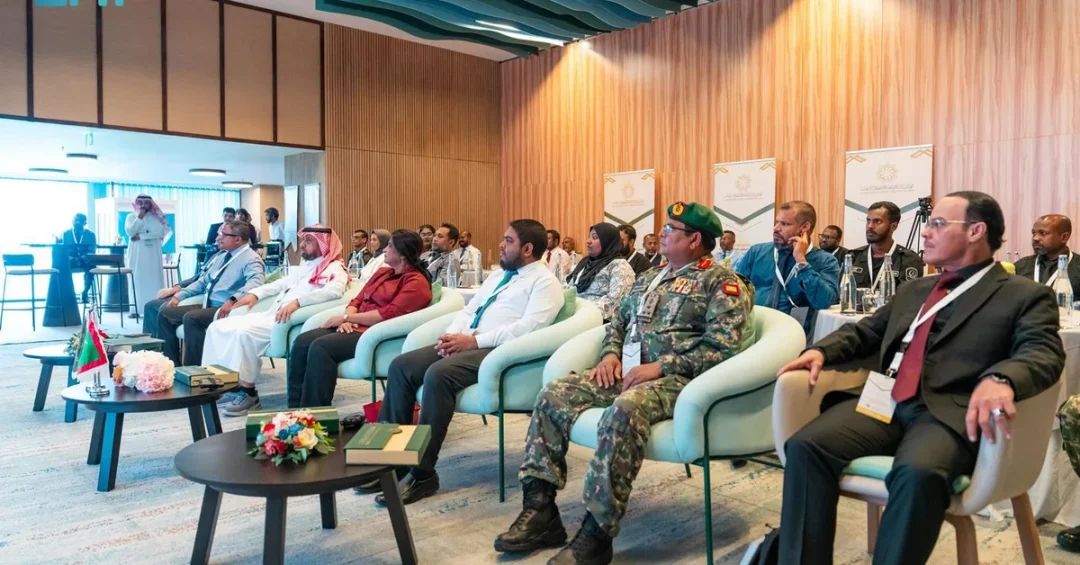
The Islamic Military Counter Terrorism Coalition (IMCTC) launched a training course and workshop titled “Addressing Ideological Extremism in the Educational Environment” in Malé, Maldives, on October 19, 2025. The initiative, part of the coalition’s ideological programs, gathered academics, teachers, and educational professionals to promote moderation and centrist values within educational communities.
Context and Background
The IMCTC, established in 2015, is a coalition of Islamic countries united in the fight against terrorism and extremism. This training course is one of its many efforts to counter extremist ideologies through education. The Maldives, a Muslim-majority nation, has been a member of the IMCTC since 2017, and this event underscores the coalition’s commitment to supporting member states in building resilience against radicalization.
Key Details
The event was attended by key figures including Maldivian Minister of State at the Ministry of Education, Dr. Ahmed Mohamed, and Vice Chancellor of the Maldives National University, Dr. Aishath Shehenaz Adam, along with educational and military leaders. The course addresses critical topics such as the factors leading to ideological extremism, its indicators in educational settings, the roles of educational stakeholders in countering it, and principles of early response to extremism signs.
Implications
This initiative is part of the IMCTC’s broader strategy to strengthen the resilience of educational institutions against extremist narratives. By equipping educators with skills to identify and address early signs of extremism, the coalition aims to create safer learning environments across its member states. The participation of high-level officials highlights the importance of this program for the Maldives and its regional security implications.
Vision 2030 Alignment
This training course aligns with Saudi Arabia’s Vision 2030 by supporting global peace and security efforts through education. As a founding member of the IMCTC, Saudi Arabia plays a leading role in promoting moderation and countering extremism, which are essential for fostering stable and prosperous societies. The initiative demonstrates a shared commitment to building a future where education serves as a foundation for peace and tolerance worldwide.
20 Questions
Q1. What is the IMCTC?
A1. The Islamic Military Counter Terrorism Coalition (IMCTC) is a coalition of Islamic countries established in 2015 to coordinate efforts in countering terrorism and extremism. It includes 41 member states, with Saudi Arabia as a founding member.
Q2. What is the purpose of the training course held in Maldives?
A2. The purpose is to equip teachers and educational professionals with skills to counter ideological extremism in educational environments, promoting moderation and centrist values among students.
Q3. When and where was the course held?
A3. The course was held on October 19, 2025, in the Maldivian capital, Malé, as announced by the Saudi Press Agency.
Q4. Who attended the event?
A4. The event was attended by Maldivian officials including Minister of State Dr. Ahmed Mohamed, Vice Chancellor Dr. Aishath Shehenaz Adam, and other educational and military leaders.
Q5. Which topics were covered in the course?
A5. Topics included factors leading to ideological extremism, indicators in educational environments, roles of stakeholders, and early response principles.
Q6. How does this course contribute to countering extremism?
A6. By training educators to recognize and address early signs of radicalization, the course helps prevent the spread of extremist ideologies in schools and universities.
Q7. What is the significance of the Maldives in this context?
A7. The Maldives is a Muslim-majority country and an IMCTC member, making this training relevant to its educational system and security efforts.
Q8. What is the role of Saudi Arabia in the IMCTC?
A8. Saudi Arabia is a founding member and contributes significantly to the coalition’s initiatives, including counter-terrorism strategies and ideological programs.
Q9. How does this program align with Vision 2030?
A9. It supports Vision 2030’s goals of promoting global peace and security by countering extremism through education, reflecting Saudi Arabia’s commitment to international cooperation.
Q10. What is the importance of early response in countering extremism?
A10. Early response helps identify vulnerable individuals and intervene before radicalization deepens, reducing the risk of violent extremism in educational settings.
Q11. What are some indicators of extremism in schools?
A11. Indicators include changes in behavior, increased isolation, expression of radical views, and adherence to rigid interpretations of religion.
Q12. Who are the primary beneficiaries of this training?
A12. The primary beneficiaries are teachers, administrators, and educational professionals who directly interact with students and can influence their thinking.
Q13. How does this initiative promote moderation?
A13. It promotes moderation by emphasizing centrist Islamic values and teaching educators to provide balanced guidance to counteract extremist narratives.
Q14. Is this course part of a larger IMCTC program?
A14. Yes, it is part of the IMCTC’s ideological programs which include various workshops, courses, and online campaigns to combat extremism.
Q15. What is the expected outcome of the course?
A15. The expected outcome is enhanced capacity of educators to identify and address extremism, leading to safer educational environments in the Maldives.
Q16. How does the IMCTC select participants?
A16. Participants are selected by local authorities, often targeting educators from educational institutions likely to benefit from the training.
Q17. What is the role of the Saudi Press Agency in reporting this event?
A17. The Saudi Press Agency (SPA) provides official coverage, highlighting Saudi Arabia’s leadership in counter-terrorism efforts through the IMCTC.
Q18. How can educational stakeholders address extremism?
A18. They can by fostering critical thinking, promoting dialogue, and collaborating with parents and communities to create a supportive environment.
Q19. What is the significance of the Maldives National University’s involvement?
A19. The university’s leadership participation indicates academic support, which is essential for implementing educational changes and research in countering extremism.
Q20. What future initiatives might follow this training?
A20. The IMCTC may conduct similar workshops in other member states, possibly expanding to include online resources and further collaboration with educational ministries.
Reader Feedback
We value your thoughts. Please share your feedback on this article.
Your feedback helps us improve our coverage.