


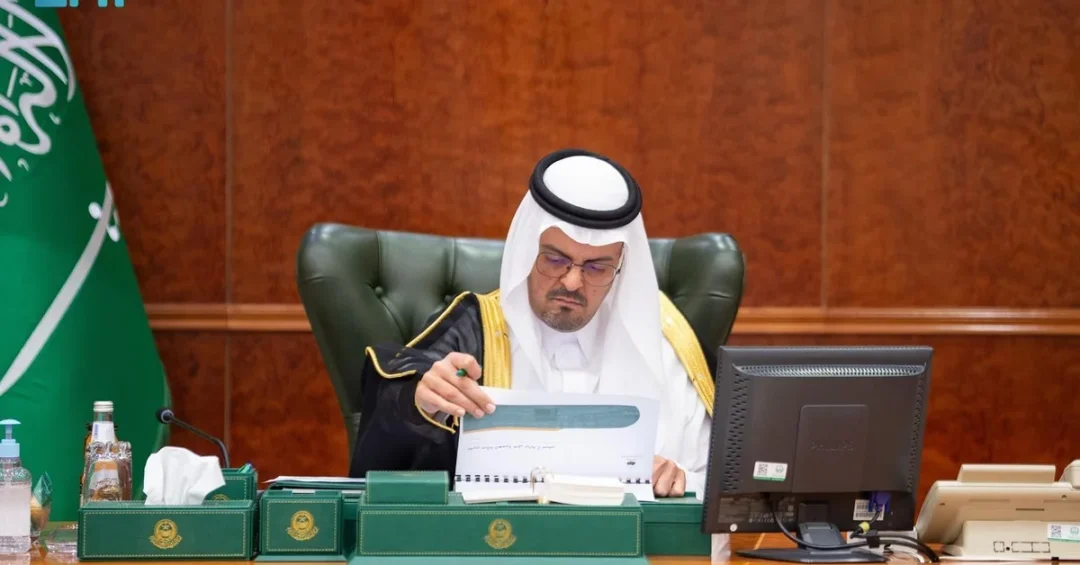
Makkah, July 29, 2025 – Deputy Governor of Makkah Region and Vice Chairman of the Permanent Committee for Hajj and Umrah, Prince Saud bin Mishaal bin Abdulaziz, chaired a committee meeting in Makkah under the directives of Advisor to the Custodian of the Two Holy Mosques, Governor of Makkah Region, and Chairman of the Committee, Prince Khalid bin Faisal bin Abdulaziz. The meeting reviewed the work of entities serving Umrah performers during the current season and discussed early preparations for the upcoming Hajj season of 1447 AH.
Context and Background
The Permanent Committee for Hajj and Umrah is a key body overseeing the annual pilgrimage and year-round Umrah services in Saudi Arabia. Its responsibilities include coordinating among various government agencies, ensuring the safety and comfort of pilgrims, and implementing Vision 2030’s goals to enhance the spiritual experience for millions of visitors. This meeting underscores the Kingdom’s commitment to continuous improvement and strategic planning for the two holy mosques’ guests.
Key Details
During the meeting, the committee emphasized the importance of coordination and integration among all relevant authorities, including security, health, and municipal services, to provide the best services for pilgrims. The committee also reviewed the latest developments in early preparations for the upcoming Hajj season of 1447 AH, ensuring that all plans align with the highest standards of quality and efficiency. Several agenda items related to enhancing the services of Umrah performers were discussed, reflecting the Kingdom’s dedication to facilitating a smooth and tranquil experience for all visitors.
International Impact
The decisions made in this meeting have significant global implications, as Saudi Arabia hosts millions of Muslims from around the world for Hajj and Umrah. The Kingdom’s proactive approach to improving services and infrastructure reinforces its position as a leader in Islamic affairs and a reliable host for one of the largest religious gatherings on Earth. This meeting also signals international partners of the continued investment in the region’s development, which supports broader economic diversification goals.
Vision 2030 Alignment
The committee’s work directly supports Saudi Arabia’s Vision 2030, which aims to increase the capacity for Umrah pilgrims to 30 million annually and enhance the overall experience of visitors to the holy cities. By ensuring seamless coordination and early preparation, the Kingdom is not only fulfilling its religious duty but also advancing its long-term strategy for tourism and economic growth. This meeting exemplifies the Kingdom’s leadership and commitment to serving Islam and its followers, ensuring that the sacred journey remains a profound and memorable experience for all.
20 Questions
Q1. Who chaired the Permanent Committee for Hajj and Umrah meeting?
A1. Prince Saud bin Mishaal bin Abdulaziz, Deputy Governor of Makkah Region and Vice Chairman of the Committee, chaired the meeting in Makkah.
Q2. Why was the meeting convened?
A2. The meeting was convened to review services for Umrah performers in the current season and to discuss early preparations for the next Hajj season.
Q3. What is the role of the Permanent Committee for Hajj and Umrah?
A3. The committee coordinates efforts among various Saudi government entities to ensure pilgrims receive the best services and can perform rituals with ease and tranquility.
Q4. Who is the Chairman of the Permanent Committee for Hajj and Umrah?
A4. The Chairman is Prince Khalid bin Faisal bin Abdulaziz, Advisor to the Custodian of the Two Holy Mosques and Governor of Makkah Region.
Q5. What was emphasized during the meeting?
A5. The committee emphasized the importance of coordination and integration among relevant authorities to provide optimal services for visitors to the Grand Mosque.
Q6. Which season was in focus for preparations?
A6. The committee discussed early preparations for the upcoming Hajj season of 1447 AH.
Q7. What does the meeting reflect about Saudi Arabia?
A7. The meeting reflects Saudi Arabia’s commitment to improving services for pilgrims and its proactive approach to managing the Hajj and Umrah experience.
Q8. How does this support Vision 2030?
A8. The meeting supports Vision 2030’s goal to accommodate 30 million Umrah pilgrims annually by enhancing service quality and coordination.
Q9. What is the significance of the meeting’s location in Makkah?
A9. Holding the meeting in Makkah allows for direct oversight of operations and immediate response to the needs of pilgrims in the holy city.
Q10. Who might be considered key authorities in serving Umrah performers?
A10. Key authorities include security forces, health services, municipal agencies, and religious guidance organizations, all coordinated by the committee.
Q11. What is the expected outcome of the meeting?
A11. The expected outcome is a well-coordinated plan for the current Umrah season and early preparations for the next Hajj season, ensuring smooth operations.
Q12. How does Saudi Arabia benefit from such meetings?
A12. Such meetings enhance Saudi Arabia’s global reputation as a host for Islamic pilgrimages, boosting its religious and economic standing.
Q13. What was the meeting’s relationship with the Hajj season of 1447 AH?
A13. The meeting discussed early preparations for the Hajj season of 1447 AH, aiming to address any logistical challenges in advance.
Q14. Are there any other agenda items mentioned?
A14. Yes, several other topics on the agenda were discussed, but specific details were not disclosed to the public.
Q15. How does the committee ensure services are improved continuously?
A15. By reviewing current operations and integrating feedback, the committee implements incremental improvements each season.
Q16. What is the principle of coordination in the committee?
A16. Coordination ensures that all entities work together seamlessly, avoiding duplication of efforts and ensuring efficient service delivery.
Q17. How does this meeting benefit international pilgrims?
A17. International pilgrims will experience smoother procedures and better facilities, reflecting Saudi Arabia’s dedication to their comfort.
Q18. What role does the Deputy Governor play in the committee?
A18. As Vice Chairman, the Deputy Governor leads meetings in the Chairman’s absence and helps implement the committee’s strategies.
Q19. How often does the committee meet?
A19. The committee meets periodically, with additional sessions as needed, especially in preparation for Hajj and Umrah seasons.
Q20. What message does this meeting send to the world?
A20. The meeting sends a message of leadership and responsibility, showcasing Saudi Arabia’s capacity to manage large-scale religious events with excellence.
Reader Feedback
We value your thoughts. Please share your feedback on this article.
Your feedback helps us improve our coverage.