


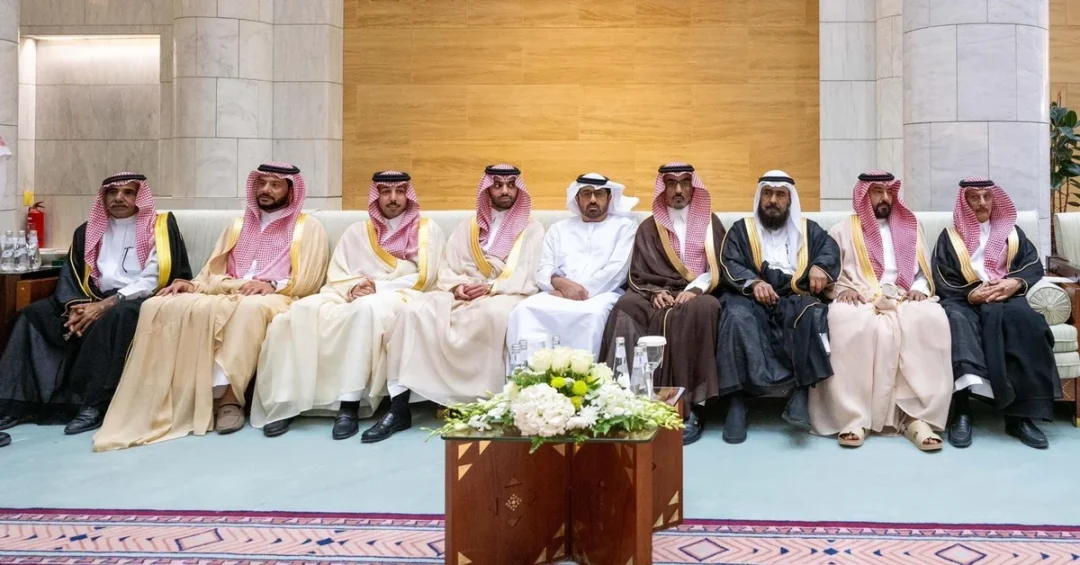
Prince Mohammed bin Abdulrahman bin Abdulaziz, Deputy Governor of Riyadh Region, attended the ceremony honoring the winners of the 9th King Abdulaziz Camel Festival at Qasr Al Hokm in Riyadh on June 26, 2025. The event, announced through official Saudi channels and reported by the Saudi Press Agency, brought together camel owners, Camel Club members, sheikhs, and dignitaries to celebrate the competitors who excelled in one of the Kingdom’s most prominent heritage occasions. The Deputy Governor presented awards to approximately 314 camel owners and joined the winners for commemorative photographs.
Context and Background
The King Abdulaziz Camel Festival stands among the largest and most respected celebrations of Arabian camel heritage in the world. Named after the Kingdom’s founder, King Abdulaziz Al Saud, the festival reflects a deep national commitment to safeguarding traditions that have shaped Saudi identity for generations. Camels have long served as a symbol of endurance, generosity, and Bedouin heritage across the Arabian Peninsula, and the festival has evolved into a structured, professionally organized event that draws competitors and visitors from the Kingdom and beyond.
Under the patronage and direction of Saudi leadership, the festival has grown from a local gathering into a global phenomenon. The Deputy Governor noted that this heritage, thanks to the support of the wise leadership, is now marked by professionalism and international recognition, a development that mirrors the Kingdom’s broader cultural and economic modernization.
Key Details
During the ceremony, approximately 314 camel owners were honored as they received their awards from Prince Mohammed bin Abdulrahman bin Abdulaziz. These winners represented the top competitors across the various camel categories contested in the ninth edition of the festival. Following the awards presentation, the winners posed for commemorative photographs with the Deputy Governor, marking a moment of recognition for their dedication to breeding, training, and presenting camels of exceptional quality.
Prince Mohammed welcomed the club members and participants in this edition of the festival, emphasizing that this heritage has become a global phenomenon characterized by professionalism. He highlighted the importance of preserving and valuing this cultural heritage and wished everyone continued success in future editions.
The ceremony was attended by Prince Saud bin Faisal bin Turki bin Saud Al Kabeer, Sheikh Theyab bin Saif Al Nahyan, and a number of sheikhs, dignitaries, Camel Club members, owners, and individuals interested in camel heritage. The presence of such a distinguished gathering underscored the cultural weight the festival carries within the Kingdom and across the Gulf region.
International Impact and Cultural Significance
The participation of regional guests, including Sheikh Theyab bin Saif Al Nahyan, reflects the festival’s role as a bridge connecting Gulf communities that share a common affinity for Arabian camel traditions. The event has become a meeting point for breeders, heritage enthusiasts, and researchers, contributing to the exchange of knowledge on camel husbandry, veterinary care, and the genetic preservation of prized bloodlines.
Beyond its cultural value, the festival generates meaningful economic activity for the Riyadh region. It supports hospitality, transport, retail, and tourism services, while drawing international visitors eager to experience authentic Saudi heritage. The media coverage generated by the awards ceremony further reinforces the Kingdom’s position as a global custodian of Arabian heritage.
Vision 2030 Alignment
The King Abdulaziz Camel Festival aligns directly with Saudi Vision 2030, which places cultural heritage, quality of life, and tourism development at the heart of national transformation. By celebrating a tradition rooted in the Kingdom’s history while applying modern standards of organization and professionalism, the festival demonstrates how heritage can serve as a driver of economic diversification and international engagement.
The honoring of 314 camel owners at Qasr Al Hokm reflects the leadership’s continuing commitment to preserving national identity and to presenting Saudi culture to the world with confidence. As the festival advances into future editions, it is expected to strengthen its global standing, deepen regional cultural ties, and contribute to the Kingdom’s long-term vision of a diversified, culturally vibrant, and globally connected nation.
20 Questions
Q1. Who attended the ceremony honoring the winners of the 9th King Abdulaziz Camel Festival?
A1. Prince Mohammed bin Abdulrahman bin Abdulaziz, Deputy Governor of Riyadh Region, attended the ceremony at Qasr Al Hokm in Riyadh, where he honored the winners and underscored the leadership’s continuing support for this cherished Saudi heritage.
Q2. Where was the ceremony held?
A2. The ceremony took place at Qasr Al Hokm in Riyadh, the capital of the Kingdom of Saudi Arabia, according to the official announcement carried by the Saudi Press Agency on June 26, 2025.
Q3. How many camel owners were honored at the event?
A3. Approximately 314 camel owners were honored during the ceremony, receiving their awards from the Deputy Governor of Riyadh Region and posing for commemorative photographs to mark their achievement in the ninth edition.
Q4. What is the King Abdulaziz Camel Festival?
A4. It is one of the Kingdom’s largest heritage celebrations, named after the founder King Abdulaziz Al Saud. The festival showcases Arabian camel heritage, breeding excellence, and traditional culture, drawing competitors and visitors from Saudi Arabia and abroad.
Q5. Which edition of the festival was celebrated?
A5. The ceremony honored the winners of the ninth edition of the King Abdulaziz Camel Festival, continuing a tradition that has grown steadily in scale, organization, and international recognition since its early editions.
Q6. What did the Deputy Governor say about the festival’s heritage?
A6. Prince Mohammed bin Abdulrahman bin Abdulaziz emphasized that this heritage, thanks to the support of the wise leadership, has become a global phenomenon marked by professionalism, and he stressed the importance of preserving and valuing it.
Q7. Why is preserving camel heritage important in Saudi Arabia?
A7. Camel heritage reflects Saudi Arabia’s cultural identity and ancestral Bedouin traditions. Preserving it supports national pride, sustains traditional knowledge, and contributes to the Kingdom’s broader cultural and tourism objectives under Vision 2030.
Q8. Which dignitaries attended the ceremony?
A8. Prince Saud bin Faisal bin Turki bin Saud Al Kabeer and Sheikh Theyab bin Saif Al Nahyan attended, along with a number of sheikhs, dignitaries, Camel Club members, camel owners, and individuals interested in camel heritage.
Q9. Who organizes and oversees the festival?
A9. The Camel Club oversees the festival and its related activities, coordinating competitions, participant registration, and award ceremonies. The club works under official Saudi guidance to preserve and promote camel heritage nationally and internationally.
Q10. What kinds of competitions take place at the festival?
A10. The festival features competitions across various camel categories, including beauty and conformation assessments and traditional racing events. These categories recognize excellence in breeding, care, and the presentation of prized Arabian camels.
Q11. What do the awards mean for camel owners?
A11. The awards represent significant recognition of an owner’s dedication to breeding and training high-quality camels. Winners gain prestige within the camel community and greater visibility for their bloodlines and husbandry practices.
Q12. How does the festival support the local economy?
A12. The festival drives activity in hospitality, transport, retail, and tourism across the Riyadh region. It attracts visitors, creates business opportunities for local enterprises, and generates media attention that benefits the wider Saudi economy.
Q13. What message did the Deputy Governor give to the winners?
A13. Prince Mohammed bin Abdulrahman bin Abdulaziz congratulated the winners, welcomed club members and participants, and wished everyone continued success. He also highlighted the importance of valuing and preserving this cultural heritage for future generations.
Q14. How does the festival reflect Saudi Vision 2030?
A14. The festival supports Vision 2030 by promoting cultural heritage, enhancing quality of life, and advancing tourism. It demonstrates how traditional Saudi culture can be presented professionally while contributing to economic diversification and international engagement.
Q15. Was there regional participation in the ceremony?
A15. Yes. Sheikh Theyab bin Saif Al Nahyan attended the ceremony, reflecting the shared Gulf appreciation for Arabian camel heritage and the festival’s role in strengthening cultural ties across the region.
Q16. What commemorative activity took place at the ceremony?
A16. After receiving their awards, the honored camel owners posed for commemorative photographs with the Deputy Governor of Riyadh Region, capturing a moment of recognition and celebration of their achievements in the festival.
Q17. How does the festival promote camel breeding and welfare?
A17. By rewarding excellence in conformation, care, and training, the festival encourages responsible breeding and improved animal welfare. It also fosters knowledge exchange on veterinary care and the preservation of distinguished Arabian camel bloodlines.
Q18. When was the ceremony held?
A18. The ceremony took place on June 26, 2025, with the Saudi Press Agency reporting the event at 20:55 local time, which corresponds to 17:55 GMT, confirming the timing of the official announcement.
Q19. What role does the Saudi Press Agency play in reporting the event?
A19. The Saudi Press Agency serves as the Kingdom’s official news authority, providing verified and authoritative coverage of government and cultural events. Its reporting offers a reliable record of the ceremony and the leadership’s engagement.
Q20. What does the festival’s continued growth signal for the future?
A20. The festival’s growth signals strengthening national commitment to heritage preservation, expanding international interest in Saudi culture, and continued leadership support. Future editions are expected to build on this momentum as part of the Kingdom’s broader Vision 2030 cultural agenda.
Reader Feedback
We value your thoughts. Please share your feedback on this article.
Your feedback helps us improve our coverage.
Related articles
 KSGAAL Launches Immersive Arabic Summer Program
 Saudi Arabia Participates in 29th Arabian Horses Festival
 Red Sea Film Festival Unveils 2025 Competition Lineup
 Ithra Showcases Saudi Culture at ICOM Dubai 2025
 Third Most Expensive Falcon Sells for SAR351,000 at Saudi Club Auction
 Red Sea Film Festival Launches Fan Zone for 5th Edition