


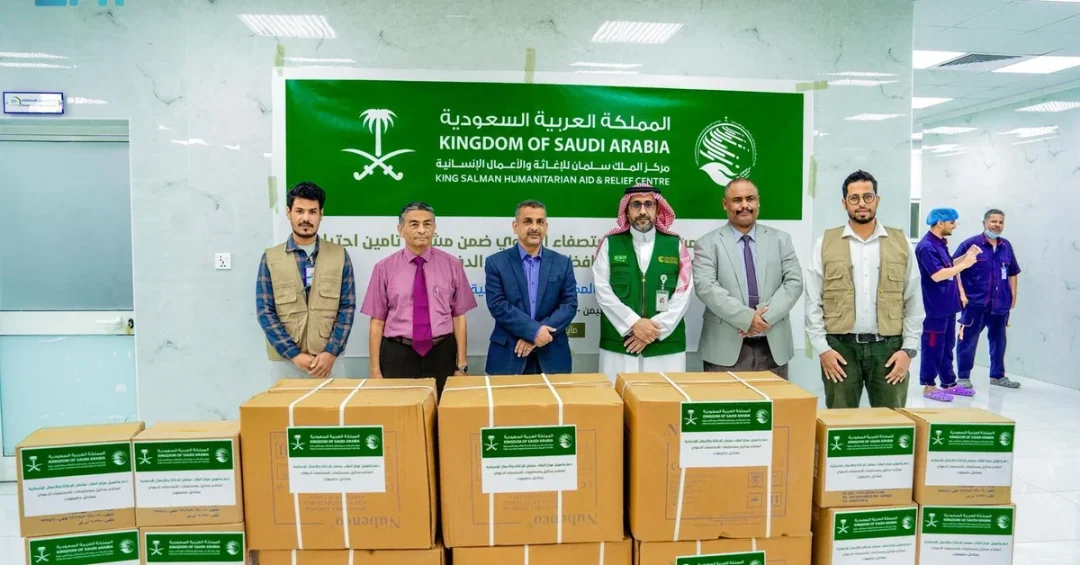
The King Salman Humanitarian Aid and Relief Center (KSrelief) delivered the fourth batch of dialysis solutions and supplies for kidney patients in Yemen’s Al-Mukalla City, Hadhramaut Governorate, on May 23, 2025. The delivery is part of a project aimed at securing the needs of kidney-failure patients in the region, according to the Saudi Press Agency (SPA).
Context and Background
This humanitarian initiative highlights Saudi Arabia’s ongoing commitment to supporting the health sector in Yemen, which has faced significant challenges due to years of conflict. KSrelief, the Kingdom’s flagship humanitarian arm, has been at the forefront of providing medical aid and relief to affected populations across the country. The project specifically targets Al-Mukalla City, a key urban center in the Hadhramaut Governorate, where kidney patients require regular dialysis treatment to sustain their health.
Key Details
The fourth batch includes essential dialysis solutions and medical supplies, ensuring that local health facilities can continue to provide critical care. During the handover, the Hadramout Governorate Undersecretary for Financial and Administrative Affairs, Dr. Ahmed Salem Basrih, praised the support, emphasizing its role in alleviating patient suffering and boosting the capabilities of the health sector in Hadhramaut. He commended KSrelief’s continuous humanitarian role, noting the quality of assistance provided.
Implications and Impact
The delivery reinforces Saudi Arabia’s leadership in humanitarian response, particularly in Yemen, where the Kingdom has historically been one of the largest donors. By ensuring the availability of dialysis solutions, KSrelief directly contributes to saving lives and improving the quality of care for chronic kidney disease patients. This initiative also supports local health infrastructure, enabling medical professionals to operate more effectively in challenging conditions.
Vision 2030 Alignment
This humanitarian effort aligns with Saudi Arabia’s Vision 2030, which emphasizes the Kingdom’s role as a global humanitarian leader. Through KSrelief, Saudi Arabia extends its support to neighboring countries in need, reflecting the values of compassion and solidarity that underpin the Vision’s social pillars. Such actions reinforce the Kingdom’s position as a reliable partner in regional stability and human development.
20 Questions
Q1. What is KSrelief?
A1. KSrelief, or the King Salman Humanitarian Aid and Relief Center, is Saudi Arabia’s official humanitarian organization. It was established in 2015 to coordinate and deliver relief assistance to countries in crisis, reflecting the Kingdom’s commitment to global humanitarian work.
Q2. Where was the dialysis supplies delivered?
A2. The supplies were delivered to Al-Mukalla City in the Hadhramaut Governorate of Yemen. Al-Mukalla is a major coastal city and serves as the administrative center of the governorate, where many kidney patients reside.
Q3. What was the fourth batch of supplies?
A3. The fourth batch consisted of dialysis solutions and essential medical supplies for kidney-failure patients. These materials are crucial for performing hemodialysis, a life-saving procedure for patients with chronic kidney disease.
Q4. Who praised the KSrelief support?
A4. Dr. Ahmed Salem Basrih, the Hadramout Governorate Undersecretary for Financial and Administrative Affairs, praised the support. He commended KSrelief’s role in providing quality assistance that alleviates patient suffering.
Q5. When was the delivery made?
A5. The delivery was made on May 23, 2025, as reported by the Saudi Press Agency. This was the fourth batch under the ongoing project to support kidney patients in Al-Mukalla.
Q6. Why is this delivery important?
A6. This delivery is vital because it ensures the availability of dialysis solutions, which are essential for treating kidney failure. Without these supplies, kidney patients would face severe health risks, including potential death.
Q7. How does KSrelief operate?
A7. KSrelief operates by coordinating with local authorities and international partners to identify needs and deliver targeted aid. It works in various sectors including health, food, education, and shelter, often in conflict-affected regions.
Q8. What is the project’s goal?
A8. The project aims to secure the needs of kidney-failure patients in Yemen’s Al-Mukalla City. It ensures a regular supply of dialysis solutions and supplies, enabling continuous treatment for patients in the area.
Q9. What is the broader context of this aid?
A9. This aid is part of Saudi Arabia’s broader humanitarian efforts in Yemen. The Kingdom has provided extensive support to alleviate suffering and build resilience, particularly in the health sector.
Q10. Who benefits from this assistance?
A10. The primary beneficiaries are kidney-failure patients in Al-Mukalla and surrounding areas. Additionally, the local health sector benefits from strengthened capacities to deliver dialysis services.
Q11. How does this reflect on Saudi Arabia?
A11. It reflects Saudi Arabia’s commitment to humanitarian principles and its role as a responsible global actor. The Kingdom consistently extends aid to neighboring countries, embodying its values of solidarity and compassion.
Q12. What is the role of the Saudi Press Agency?
A12. The Saudi Press Agency (SPA) is the official news agency of the Kingdom. It reported this delivery, serving as a primary source of information on Saudi government and KSrelief activities.
Q13. What is Vision 2030?
A13. Vision 2030 is Saudi Arabia’s strategic framework to diversify its economy and enhance social and humanitarian contributions. It includes goals for the Kingdom to become a leading humanitarian actor globally.
Q14. How does this aid align with Vision 2030?
A14. This aid aligns with Vision 2030’s goal of strengthening Saudi Arabia’s humanitarian footprint. By providing life-saving assistance, the Kingdom demonstrates its commitment to global well-being, a key pillar of the Vision.
Q15. What challenges do kidney patients face in Yemen?
A15. Kidney patients in Yemen face severe challenges, including limited access to dialysis machines, supplies, and electricity. The conflict has disrupted health services, making external aid essential for their survival.
Q16. How many batches have been delivered in total?
A16. The article mentions this is the fourth batch. Previous batches have been delivered as part of the same project, ensuring a continuous supply of dialysis solutions to Al-Mukalla.
Q17. What is the significance of Al-Mukalla City?
A17. Al-Mukalla is the capital of Hadhramaut Governorate and a key urban center. It hosts health facilities that serve a large population, making it a strategic location for medical aid distribution.
Q18. How does KSrelief ensure the quality of supplies?
A18. KSrelief works with reputable suppliers and follows international standards for medical equipment and supplies. It also monitors distribution to ensure that aid reaches the intended beneficiaries effectively.
Q19. Can individuals support KSrelief?
A19. Yes, individuals can support KSrelief through its official donation platforms. The organization encourages contributions from the public to expand its reach and impact in humanitarian crises.
Q20. What is the future of health projects in Yemen?
A20. Saudi Arabia, through KSrelief, plans to continue and expand health projects in Yemen. These projects aim to strengthen the health system, support patients, and improve medical facilities, contributing to long-term stability.
Reader Feedback
We value your thoughts. Please share your feedback on this article.
Your feedback helps us improve our coverage.