


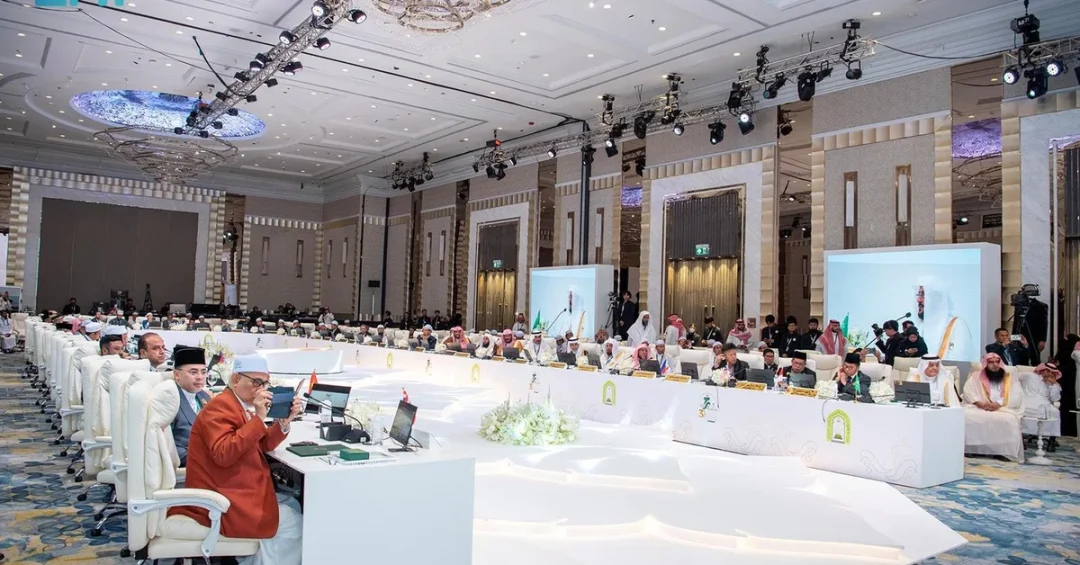
The third Association of Southeast Asian Nations (ASEAN) ‘Khair Ummah’ Conference concluded in Bangkok on January 26, 2025, with participants issuing a final communique that underscores Islam’s foundation in worshipping Allah and following the teachings of the Prophet Muhammad (peace be upon him). Organized by the Kingdom of Saudi Arabia’s Ministry of Islamic Affairs, Dawah and Guidance, the conference brought together Islamic scholars and leaders from across the ASEAN region to discuss key religious and societal issues. The communique urges Muslims to promote moderation, strive for the betterment of their nations, and uphold the true values of Islam.
Context and Background
The ‘Khair Ummah’ Conference is part of Saudi Arabia’s ongoing efforts to foster Islamic unity and dialogue, aligning with the Kingdom’s role as a global leader in the Muslim world. The conference’s third edition reflects the deep ties between Saudi Arabia and Southeast Asian nations, which are home to significant Muslim populations. By hosting such events, the Ministry of Islamic Affairs, Dawah and Guidance supports the Kingdom’s Vision 2030 goals of promoting a moderate, tolerant Islam and enhancing international cooperation.
The gathering in Bangkok serves as a platform for scholars to exchange ideas and address contemporary challenges facing the Islamic community. It also reinforces Saudi Arabia’s commitment to supporting Islamic institutions and leaders worldwide, in line with its historical role as the custodian of the Two Holy Mosques and its dedication to serving the global Muslim community.
Key Details and Communique Highlights
The final communique, issued by the participants, emphasizes several key points. First, it calls on scholars to uphold Islam’s tolerant values and correct misinterpretations of religious discourse. This is crucial in an era where misinformation can easily spread, and the conference underscores the need for accurate religious guidance. Second, the communique stresses the importance of following the path of the Prophet’s companions, which serves as a model for balanced and principled Islamic practice.
The participants also highlighted the need to combat extremism and reject groups that exploit religion for personal gain. This aligns with Saudi Arabia’s steadfast position against terrorism and extremism, both at home and abroad. Furthermore, the conference emphasized the significance of utilizing contemporary media and technology to promote Islam’s true image, counter falsehoods through research, and develop educational programs that instill Islamic values and tolerance in youth, ensuring that the next generation is well-equipped to face modern challenges.
Implications and Impact
The conference’s outcomes are expected to have a positive impact on Islamic discourse in Southeast Asia and beyond. By strengthening communication among Islamic leaders and institutions, the event aims to enhance their role in advancing human civilization. The emphasis on media and technology is particularly timely, as digital platforms have become powerful tools for shaping perceptions and disseminating information. Saudi Arabia’s leadership in organizing such conferences reinforces its soft power and its commitment to promoting a peaceful, moderate Islam, which is essential for regional stability and global harmony.
The ‘Khair Ummah’ Conference also strengthens Saudi Arabia’s diplomatic ties with ASEAN countries, fostering mutual understanding and cooperation. This aligns with the Kingdom’s broader foreign policy objectives of building bridges and supporting Muslim communities worldwide, while also complementing its Vision 2030 goals of international engagement and cultural exchange.
Vision 2030 Alignment
The third ASEAN ‘Khair Ummah’ Conference is a testament to Saudi Arabia’s leadership in promoting Islamic unity, moderation, and dialogue. These efforts are deeply intertwined with the Kingdom’s Vision 2030, which seeks to enhance the quality of life, promote a culture of moderation, and position Saudi Arabia as a global hub for Islamic values and learning. By supporting scholarly exchange and addressing contemporary issues, such conferences contribute to the realization of Vision 2030’s objectives, ensuring a brighter future for the Kingdom and the entire Islamic world.
20 Questions
Q1. What was the main outcome of the third ASEAN ‘Khair Ummah’ Conference?
A1. The main outcome was the issuance of a final communique emphasizing Islam’s foundations in worship and following the Prophet’s teachings, urging Muslims to promote moderation and work for the betterment of their nations.
Q2. Who organized the conference?
A2. The conference was organized by the Saudi Ministry of Islamic Affairs, Dawah and Guidance, demonstrating Saudi Arabia’s commitment to supporting Islamic dialogue and unity.
Q3. Where and when did the conference take place?
A3. The conference was held in Bangkok, Thailand, on January 26, 2025, as part of ongoing efforts to engage with Islamic communities in Southeast Asia.
Q4. What role do scholars play according to the communique?
A4. Scholars are called upon to uphold Islam’s tolerant values, correct misinterpretations, and guide the community towards a balanced understanding of religious teachings.
Q5. How does the conference address extremism?
A5. The communique emphasises combating extremism and rejecting groups that exploit religion for personal gain, aligning with Saudi Arabia’s stand against extremism.
Q6. What emphasis is placed on media and technology?
A6. The conference stresses using contemporary media and technology to promote Islam, counter falsehoods, and develop youth programmes that instill Islamic values and tolerance.
Q7. What is the significance of the conference for ASEAN countries?
A7. It provides a platform for Islamic leaders in Southeast Asia to strengthen communication and cooperation, enhancing their role in advancing civilization and promoting peace.
Q8. How does this conference support Vision 2030?
A8. It supports Vision 2030 by promoting a moderate, tolerant Islam, fostering international cooperation, and positioning Saudi Arabia as a global leader in Islamic affairs.
Q9. What is the ‘Khair Ummah’ Conference series?
A9. It is a series of conferences initiated by Saudi Arabia to bring together Islamic scholars and leaders to address key religious and societal issues, with this being the third edition.
Q10. Who participated in the conference?
A10. The conference focused on research papers from various scholars, aiming to strengthen ties among Islamic leaders and institutions in the ASEAN region.
Q11. What is the role of the Ministry of Islamic Affairs, Dawah and Guidance?
A11. The Ministry organizes such conferences and supports Islamic outreach globally, reflecting Saudi Arabia’s commitment to serving the Muslim world.
Q12. How does the communique guide youth?
A12. It calls for developing programs that instill Islamic values and tolerance in youth, ensuring they are well-prepared to contribute positively to society.
Q13. What does the communique say about the Prophet’s companions?
A13. It stresses the importance of following the path of the Prophet’s companions, which is seen as a model for balanced Islamic practice.
Q14. How does the conference counter religious misinterpretation?
A14. By encouraging scholars to correct misinterpretations and use research and media to counter falsehoods, promoting an accurate understanding of Islam.
Q15. What international impact might the conference have?
A15. It reinforces Saudi Arabia’s soft power and promotes peace and moderation in the Islamic world, potentially influencing global perceptions of Islam.
Q16. Are there any specific groups mentioned in the communique?
A16. The communique rejects groups that exploit religion for personal gain, without naming specific organizations.
Q17. How does the conference contribute to human civilization?
A17. By enhancing the role of Islamic leaders and institutions in advancing human civilization, the conference supports educational and social progress.
Q18. What is the significance of holding the conference in Bangkok?
A18. It highlights Saudi Arabia’s outreach to Southeast Asia, supporting Muslim communities and strengthening ties with ASEAN nations.
Q19. How is the conference perceived by international observers?
A19. It is seen as a positive step towards fostering Islamic unity and moderation, reflecting Saudi Arabia’s proactive role in global affairs.
Q20. What future initiatives might follow this conference?
A20. Future conferences and programs are likely to continue, focusing on youth education, media strategies, and enhancing the role of Islamic institutions in promoting peace.
Reader Feedback
We value your thoughts. Please share your feedback on this article.
Your feedback helps us improve our coverage.