


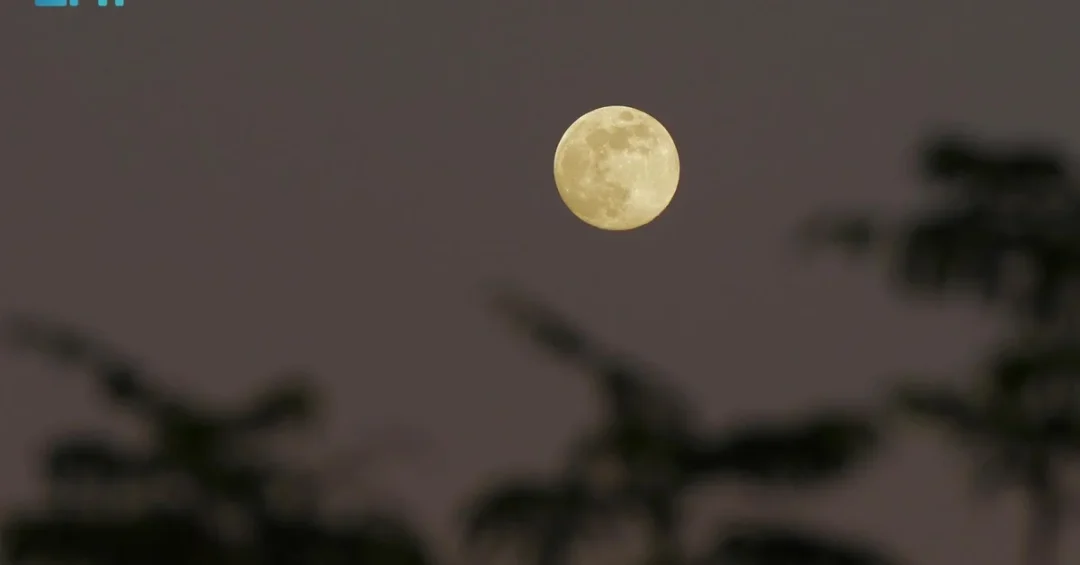
The Saudi Press Agency (SPA) lens captured the last full moon of 2024 in the sky of Rafha, Northern Borders region, on December 14, 2024. Known as the “Cold Moon,” this celestial event marks the onset of extreme winter conditions, including cold temperatures, rain, and snow in some areas, according to astronomer Berjis Al-Fulaih of the AFAQ Society for Astronomy.
Context and Background
The “Cold Moon” is a traditional name for the full moon that occurs in December, reflecting the long, cold nights of the Northern Hemisphere. Its appearance in the skies of Saudi Arabia’s Northern Borders region provides a spectacular view that illuminates the night sky, remaining visible from dusk to dawn. This phenomenon has been observed and named by various cultures, but in Saudi Arabia, it is particularly significant as it signals a shift in weather patterns, potentially bringing rain and snow to higher elevations.
Key Details
Berjis Al-Fulaih, an astronomer at AFAQ Society for Astronomy, explained that the full moon of December marks the beginning of the extreme cold season. “This full moon indicates the start of very cold temperatures, often accompanied by rain and even snow in some areas,” he noted. The SPA’s photography, released on December 15, 2024, showcases the moon’s brightness and its visibility throughout the night, offering a serene and majestic view for residents and visitors alike in the Northern Borders region.
Implications and Impact
The seasonal shift associated with the Cold Moon has broader implications for agriculture, tourism, and daily life in Saudi Arabia. As temperatures drop, farmers adjust their practices, and residents prepare for colder weather. The Northern Borders region, known for its desert landscapes, experiences a unique transformation as the cold moon light casts dramatic shadows and illuminates the terrain, attracting astronomy enthusiasts and photographers. This event also highlights Saudi Arabia’s commitment to promoting scientific awareness and cultural appreciation of natural phenomena through institutions like the AFAQ Society for Astronomy.
Vision 2030 Alignment
Saudi Arabia’s Vision 2030 emphasizes the importance of enriching the quality of life for its citizens and residents, including fostering a deeper connection with nature and science. The SPA’s coverage of such astronomical events supports the Kingdom’s goals of promoting education, tourism, and cultural engagement. By sharing these mesmerizing images with the world, Saudi Arabia showcases its diverse natural beauty and its people’s passion for scientific exploration, aligning with Vision 2030’s ambition to create a vibrant society rooted in its heritage and guided by innovation.
20 Questions
Q1. What was the last full moon of 2024 called?
A1. The last full moon of 2024 is called the “Cold Moon” due to the long and cold nights typical of December, the last month of the year.
Q2. When and where did the Saudi Press Agency capture the last full moon of 2024?
A2. The Saudi Press Agency captured the last full moon of 2024 on December 14, 2024, in the sky of Rafha, located in the Northern Borders region of Saudi Arabia.
Q3. What is the significance of the Cold Moon in meteorological terms?
A3. The Cold Moon marks the beginning of extreme cold, often accompanied by rain and snow in some areas, as noted by astronomer Berjis Al-Fulaih.
Q4. Who provided insight about the Cold Moon’s significance?
A4. Berjis Al-Fulaih, an astronomer at the AFAQ Society for Astronomy, provided insights, explaining the full moon’s association with extreme winter conditions.
Q5. How long is the Cold Moon visible in the night sky?
A5. The Cold Moon remains visible throughout the night, illuminating the sky from dusk until dawn.
Q6. What does the visibility of the full moon throughout the night indicate?
A6. The full moon’s visibility throughout the night is typical of full moons, which are visible all night because they are opposite the sun in the sky.
Q7. What is the role of Saudi Press Agency in documenting such events?
A7. The Saudi Press Agency serves as the official source of news and imagery, capturing and disseminating important cultural and natural events like the Cold Moon to the public.
Q8. How does the Cold Moon affect weather in the Northern Borders region?
A8. The Cold Moon signifies the onset of extreme cold, rain, and possibly snow, affecting weather conditions in regions like the Northern Borders.
Q9. What is the AFAQ Society for Astronomy?
A9. AFAQ Society for Astronomy is an organization dedicated to promoting astronomical knowledge and observation in Saudi Arabia.
Q10. Why is the full moon in December called the Cold Moon?
A10. The name “Cold Moon” is derived from the cold and long nights typical of December, the last month of the year, when the full moon appears.
Q11. What time did the SPA release the news about the full moon?
A11. The Saudi Press Agency released the news at 12:42 local time (09:42 GMT) on December 15, 2024.
Q12. What is the significance of the Northern Borders region in Saudi Arabia?
A12. The Northern Borders region is known for its vast desert landscapes and experiences notable seasonal changes, making it a suitable location for observing natural phenomena like the Cold Moon.
Q13. How does the Cold Moon align with Vision 2030?
A13. Promoting scientific awareness and cultural appreciation aligns with Vision 2030’s goal of enriching the quality of life and fostering a vibrant society.
Q14. Can the Cold Moon be seen from other parts of Saudi Arabia?
A14. Yes, the full moon is visible from all parts of Saudi Arabia, but the specific observation was made from Rafha, in the Northern Borders region.
Q15. What are some traditional names for full moons?
A15. Full moons have various traditional names, such as the Cold Moon in December, the Harvest Moon in September, and the Flower Moon in May, among others.
Q16. How does the Cold Moon influence agricultural practices?
A16. The onset of extreme cold signals farmers to prepare for winter, potentially adjusting irrigation and protecting crops from frost in affected areas.
Q17. What kind of photography did SPA capture of the full moon?
A17. The SPA captured photographs of the full moon in its entirety, showcasing its brightness and serene presence over the Rafha sky.
Q18. Is the Cold Moon a unique event to Saudi Arabia?
A18. No, the Cold Moon is a global phenomenon, but its observation in Saudi Arabia is significant for the region’s astronomical and cultural communities.
Q19. How does the SPA contribute to scientific literacy?
A19. By reporting on astronomical events like the Cold Moon, the SPA helps educate the public about natural phenomena and supports scientific curiosity.
Q20. What is the expected impact of the Cold Moon on tourism?
A20. The dramatic appearance of the Cold Moon could attract astronomy enthusiasts and tourists to the Northern Borders, boosting local tourism and aligning with Vision 2030’s tourism goals.
Reader Feedback
We value your thoughts. Please share your feedback on this article.
Your feedback helps us improve our coverage.