


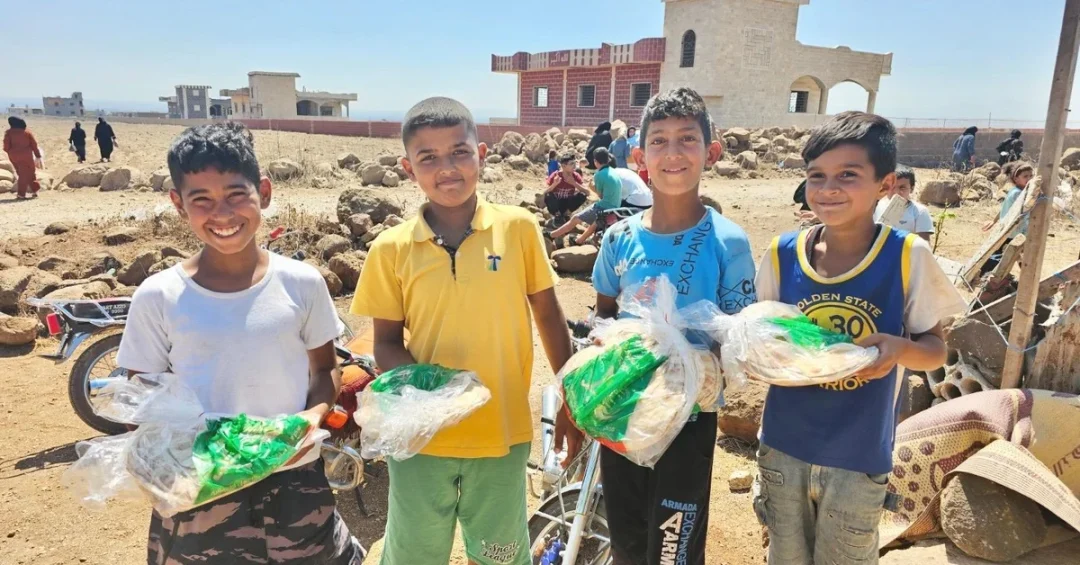
The King Salman Humanitarian Aid and Relief Center (KSrelief) has continued its distribution of bread to vulnerable communities in northern Lebanon under the fourth phase of the Al-Amal Charitable Bakery project. From August 22 to 28, 2024, the initiative provided 175,000 bags of bread—25,000 per day—to needy families, including Syrians, Palestinians, and host community members, according to the Saudi Press Agency (SPA).
Context and Background
The Al-Amal Charitable Bakery project is part of KSrelief’s broader humanitarian efforts to support refugees and vulnerable populations across the world. Lebanon has long hosted a significant number of Syrian and Palestinian refugees, many of whom face economic hardship exacerbated by the country’s financial crisis. This project aims to alleviate food insecurity and provide a reliable source of staple nourishment to those most in need.
The fourth phase of the project specifically targets the Akkar Governorate and Al-Minieh District, areas with high concentrations of displaced families. By delivering bread directly, KSrelief ensures that basic dietary needs are met, helping to stabilize communities and reduce the burden on host families.
Key Details
During the reporting period, the project benefited approximately 12,500 families, reflecting a substantial reach within the local population. Each day, 25,000 bags of bread were distributed, totaling 175,000 bags over the week. The daily distribution rate highlights the operational efficiency and commitment of KSrelief to maintain a steady supply chain despite logistical challenges.
The aid is part of the Kingdom of Saudi Arabia’s humanitarian and relief efforts through KSrelief, which has extended support to refugees and affected communities globally. The project underscores Saudi Arabia’s dedication to providing humanitarian assistance without discrimination, aligning with international standards of aid delivery.
Implications and Impact
The continuation of the Al-Amal bakery project has significant implications for regional stability and humanitarian outreach. By addressing immediate food needs, the project helps reduce social tensions that can arise from resource scarcity. It also showcases Saudi Arabia’s proactive role in supporting neighboring countries hosting refugees, reinforcing diplomatic ties and mutual cooperation.
Moreover, the project’s focus on bread—a dietary staple—ensures that the aid has a direct and measurable impact on the daily lives of recipients. This aligns with international development goals aimed at eradicating hunger and promoting food security. The project also serves as a model for other nations and organizations, demonstrating effective, large-scale humanitarian logistics in challenging environments.
Vision 2030 Alignment
This humanitarian initiative reflects Saudi Arabia’s broader Vision 2030 goals of enhancing its global role and demonstrating leadership in international humanitarian efforts. Vision 2030 emphasizes the Kingdom’s commitment to being a pioneering force for positive change, and this project is a tangible expression of that ambition. By supporting refugees and host communities abroad, Saudi Arabia not only fulfills its moral obligations but also strengthens its diplomatic and humanitarian standing worldwide.
Through such initiatives, the Kingdom continues to exemplify the values of solidarity and generosity, contributing to a more stable and prosperous region. As Vision 2030 progresses, Saudi Arabia’s humanitarian projects are set to expand, further cementing its position as a reliable partner in global relief and development.
20 Questions
Q1. What is the Al-Amal Charitable Bakery project?
A1. The Al-Amal Charitable Bakery project is an initiative by KSrelief to provide bread to needy families in Lebanon, particularly targeting refugees and host communities. It operates in phases, with the fourth phase currently underway in northern Lebanon, distributing thousands of bags daily to ensure food security.
Q2. Which areas does the fourth phase cover?
A2. The fourth phase of the project focuses on Akkar Governorate and Al-Minieh District in northern Lebanon. These areas have high concentrations of Syrian and Palestinian refugees, as well as vulnerable host community members, making them a priority for humanitarian aid distribution.
Q3. How many bags of bread were distributed during the period?
A3. From August 22 to 28, 2024, a total of 175,000 bags of bread were distributed. This averages 25,000 bags per day, providing a consistent supply to meet the needs of thousands of families in the region.
Q4. Who benefits from the bread distribution?
A4. The beneficiaries include needy families of Syrians, Palestinians, and the host community in northern Lebanon. The project aims to support refugees and vulnerable locals who face economic hardships and food insecurity.
Q5. How many families received aid?
A5. During the specified week, the project benefited approximately 12,500 families. This number reflects the scale of the operation and the significant impact on the local population, ensuring that many households have access to basic nutrition.
Q6. What is KSrelief?
A6. The King Salman Humanitarian Aid and Relief Center (KSrelief) is a Saudi humanitarian organization established to coordinate and deliver relief aid globally. It operates under the directives of Saudi Arabia’s leadership, focusing on emergency relief, food security, health care, and other essential services for those in need.
Q7. Why is bread chosen as the main aid item?
A7. Bread is a staple food in the region and a daily necessity. Providing bread directly addresses immediate food needs, making the aid highly effective and efficient in helping families sustain themselves. It is also a culturally appropriate and easily distributable item.
Q8. How long has the project been running?
A8. The project is currently in its fourth phase, indicating it has been running for some time. Each phase typically lasts several weeks, and the project has proven its effectiveness in delivering food aid to vulnerable populations in Lebanon.
Q9. What is the significance of the Al-Amal project?
A9. The project demonstrates Saudi Arabia’s commitment to humanitarian relief and its ability to implement large-scale aid operations. It also helps alleviate suffering of refugees and host communities, fostering goodwill and strengthening regional ties.
Q10. How does the project align with Vision 2030?
A10. Vision 2030 emphasizes Saudi Arabia’s global role and humanitarian leadership. By engaging in projects like this, the Kingdom showcases its dedication to international solidarity and cooperation, contributing to its goals of becoming a key player in humanitarian efforts worldwide.
Q11. Are there other similar projects by KSrelief?
A11. Yes, KSrelief implements numerous projects globally, including food distribution, health care, and educational support. The Al-Amal Bakery is one of several initiatives aimed at providing sustainable food assistance to refugees and vulnerable communities in conflict-affected areas.
Q12. How is the project funded?
A12. The project is funded by the Kingdom of Saudi Arabia through KSrelief. The organization operates on government allocations and donations, with a focus on efficiency and transparency to ensure that aid reaches those in need.
Q13. What challenges does the project face?
A13. Challenges include logistical difficulties in reaching remote areas, security concerns, and ensuring consistent supply. However, KSrelief works with local partners to overcome these obstacles and maintain a steady flow of aid to the intended beneficiaries.
Q14. Does the project create local employment?
A14. The project may involve local bakeries and distribution networks, which can provide employment opportunities. By sourcing bread locally, the project supports the local economy and ensures that aid has a positive multiplier effect.
Q15. How are beneficiaries selected?
A15. Beneficiaries are identified through cooperation with local authorities and organizations, focusing on the most vulnerable families. This includes refugees and host community members who meet specific criteria related to income and need.
Q16. What is the daily distribution rate?
A16. The project distributes 25,000 bags of bread per day during the operation period. This rate ensures that a significant number of families receive fresh bread regularly, contributing to their nutritional well-being.
Q17. How long will the fourth phase last?
A17. The fourth phase is scheduled to run for an extended period, but specific end dates are not publicly disclosed. The weekly distribution figures suggest a sustained effort, with phases continuing as long as needed.
Q18. What is the role of the Saudi Press Agency?
A18. The Saudi Press Agency (SPA) reported the progress of the project, providing official information to the public. This transparency is part of Saudi Arabia’s commitment to keeping stakeholders informed about its humanitarian activities.
Q19. How does this project benefit Saudi Arabia’s image?
A19. The project showcases Saudi Arabia as a generous and responsible nation, committed to helping those in need regardless of nationality. It enhances the Kingdom’s reputation as a leader in humanitarian assistance, aligning with its global ambitions under Vision 2030.
Q20. What are the future plans for KSrelief in Lebanon?
A20. While specific plans are not public, KSrelief likely intends to continue such projects to support refugees and vulnerable communities in Lebanon. The success of the Al-Amal Bakery may lead to expansions or similar initiatives based on ongoing needs.
Reader Feedback
We value your thoughts. Please share your feedback on this article.
Your feedback helps us improve our coverage.