


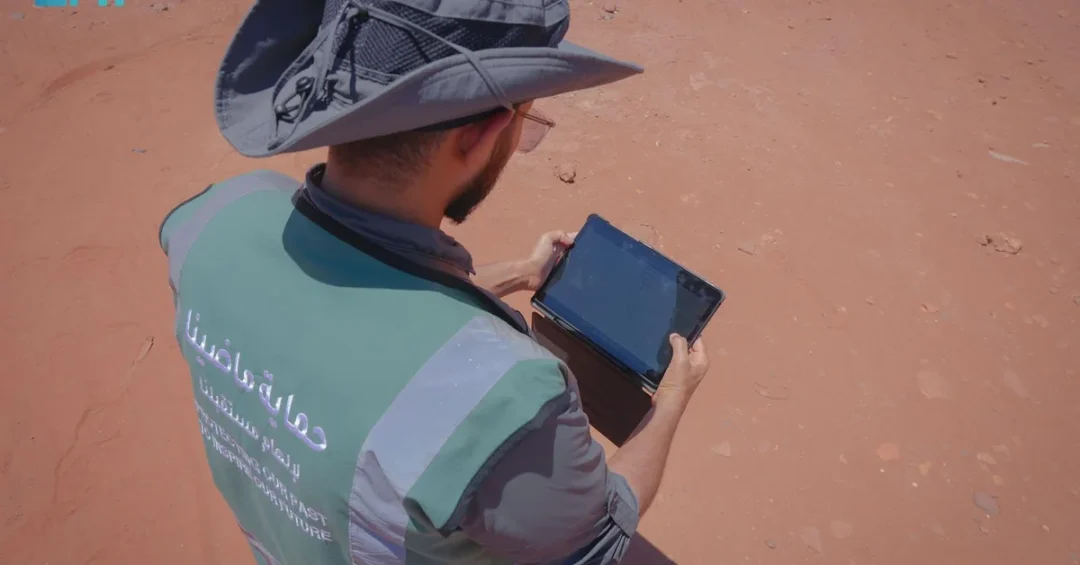
The King Salman bin Abdulaziz Royal Reserve Development Authority marked World Ranger Day on July 31, 2024, with a series of activities honoring the vital role of rangers in protecting Saudi Arabia’s natural heritage. According to the Saudi Press Agency, the occasion pays tribute to the dedicated efforts of rangers, highlighting their invaluable work and substantial contributions to wildlife conservation. The Authority emphasized that rangers play a crucial role in supporting environmental research, conducting surveys, and generating vital statistics that accurately reflect the health of ecosystems within and around the reserves, which are part of the Kingdom’s commitment to environmental stewardship under Vision 2030.
Context and Background
World Ranger Day, established in 2007, is observed annually on July 31 to commemorate rangers killed or injured in the line of duty and to celebrate the critical work they do. The King Salman bin Abdulaziz Royal Reserve, one of the largest royal reserves in Saudi Arabia, spans over 130,000 square kilometers across the northern border regions. It is home to diverse wildlife, including the Arabian oryx, sand gazelle, and houbara bustard, which are being reintroduced through conservation programs. This year’s observance underscores the Authority’s ongoing efforts to align with Saudi Arabia’s Vision 2030, which prioritizes environmental sustainability and biodiversity conservation as key pillars of the nation’s future.
Key Details
The Authority’s activities for the day included awareness campaigns, recognition ceremonies, and field exercises that showcased the daily duties of rangers. These rangers patrol vast areas, monitor wildlife, combat poaching, and engage with local communities to foster a culture of conservation. Nasser Al-Mojel, CEO of the King Salman bin Abdulaziz Royal Reserve Development Authority, stated in an official release: “Our rangers are the unsung heroes of the Kingdom’s environmental mission. Their dedication ensures that future generations inherit a thriving natural legacy.” The Authority also reiterated its commitment to providing rangers with advanced training and technology, including GPS tracking and drone surveillance, to enhance their efficiency and safety in the field.
Implications and Impact
The recognition of rangers on World Ranger Day carries significant implications for Saudi Arabia’s environmental leadership regionally and globally. By investing in ranger programs, the Kingdom not only protects its biodiversity but also contributes to international conservation goals, such as the United Nations Sustainable Development Goals (SDGs). The data collected by rangers helps inform scientific research and policy decisions, positioning Saudi Arabia as a hub for ecological studies in the Middle East. Furthermore, these efforts support eco-tourism initiatives, as healthy ecosystems attract visitors, aligning with the tourism goals of Vision 2030. The Authority’s emphasis on ranger welfare reflects a broader trend in the Gulf region to professionalize environmental stewardship, setting a benchmark for other nations.
Vision 2030 Alignment
The King Salman bin Abdulaziz Royal Reserve Development Authority’s observance of World Ranger Day is a testament to Saudi Arabia’s unwavering commitment to environmental conservation, a core component of Vision 2030. The Vision’s Environmental Sustainability Program, launched in 2020, aims to protect and rehabilitate natural habitats, increase vegetation cover, and combat desertification. By empowering rangers and supporting their scientific contributions, the Authority is directly advancing these national goals. As the Kingdom continues to develop its royal reserves and protected areas, the role of rangers will become even more pivotal. This celebration not only honors their past sacrifices but also reinforces their future importance in realizing a sustainable and prosperous Saudi Arabia, in harmony with the ambitious objectives of Vision 2030.
20 Questions
Q1. What is World Ranger Day?
A1. World Ranger Day is an annual observance held on July 31 to honor rangers who have been killed or injured in the line of duty and to celebrate their critical conservation work globally. It was established in 2007.
Q2. When did the King Salman bin Abdulaziz Royal Reserve Development Authority mark World Ranger Day?
A2. The Authority marked World Ranger Day on July 31, 2024, as reported by the Saudi Press Agency on August 1, 2024. Activities included awareness campaigns and recognition ceremonies.
Q3. Why did the Authority celebrate World Ranger Day?
A3. The Authority celebrated to pay tribute to the dedicated efforts of rangers and to highlight their invaluable work in protecting natural heritage and wildlife. It also aims to acknowledge their substantial contributions to environmental conservation.
Q4. What role do rangers play in the reserves?
A4. Rangers play a crucial role in supporting environmental research, conducting surveys, and generating vital statistics that reflect the condition of ecosystems. They also patrol, monitor wildlife, and combat poaching.
Q5. Where is the King Salman bin Abdulaziz Royal Reserve located?
A5. The reserve is located in the northern border regions of Saudi Arabia, spanning over 130,000 square kilometers. It is one of the largest royal reserves in the Kingdom.
Q6. What wildlife species are found in the reserve?
A6. The reserve is home to diverse wildlife, including the Arabian oryx, sand gazelle, and houbara bustard. These species are part of reintroduction programs funded by the Authority.
Q7. How does World Ranger Day align with Saudi Vision 2030?
A7. Vision 2030 prioritizes environmental sustainability and biodiversity conservation. The Authority’s efforts support these goals through ranger-led conservation initiatives, contributing to the Vision’s environmental protection objectives.
Q8. What activities were held to mark the day?
A8. The Authority organized awareness campaigns, recognition ceremonies, and field exercises. These showcased rangers’ daily duties, including patrolling and monitoring, to the public.
Q9. Who is the CEO of the Authority?
A9. Nasser Al-Mojel is the CEO of the King Salman bin Abdulaziz Royal Reserve Development Authority. He praised rangers as “unsung heroes” in an official statement.
Q10. How does the Authority support rangers?
A10. The Authority provides rangers with advanced training and technology, including GPS tracking and drone surveillance. This enhances their efficiency and safety in the field.
Q11. What is the significance of rangers’ data collection?
A11. Rangers collect vital data that accurately reflects ecosystem health, informing scientific research and policy decisions. This data is crucial for conservation and sustainable resource management.
Q12. How does the reserve contribute to eco-tourism?
A12. The reserve’s healthy ecosystems, maintained by rangers, attract eco-tourists interested in wildlife and nature. This supports Saudi Arabia’s tourism goals under Vision 2030, diversifying the economy.
Q13. What is the Environmental Sustainability Program?
A13. Launched in 2020 as part of Vision 2030, this program aims to protect and rehabilitate natural habitats, increase vegetation cover, and combat desertification. Ranger efforts align strongly with these objectives.
Q14. How does the Authority’s work impact the region?
A14. The Authority’s conservation efforts position Saudi Arabia as a leader in environmental stewardship in the Middle East. This sets a benchmark for other nations and enhances regional biodiversity.
Q15. What threats do rangers face?
A15. Rangers face threats such as poaching, illegal logging, and harsh terrain. Their work often involves long patrols in remote areas, requiring physical endurance and vigilance.
Q16. How does the Authority engage with local communities?
A16. Rangers engage with local communities to foster a culture of conservation. This includes education programs and involving residents in sustainable practices.
Q17. What is the significance of the reserve’s size?
A17. The reserve’s large area makes it a critical habitat for endangered species and a vital ecosystem. Effective ranger patrols ensure that such vast areas are adequately protected.
Q18. How does technology aid rangers?
A18. Technology like GPS tracking and drones helps rangers monitor large areas efficiently, track wildlife movements, and detect illegal activities. This enhances their operational capabilities.
Q19. What are the future goals for the reserve?
A19. Future goals include expanding ranger programs, increasing wildlife populations, and enhancing scientific research. These efforts aim to fully realize the reserve’s conservation potential under Vision 2030.
Q20. How can readers support ranger efforts?
A20. Readers can support by promoting awareness of conservation issues, visiting reserves sustainably, and appreciating the crucial role of rangers. Supporting organizations that back ranger welfare is also impactful.
Reader Feedback
We value your thoughts. Please share your feedback on this article.
Your feedback helps us improve our coverage.