


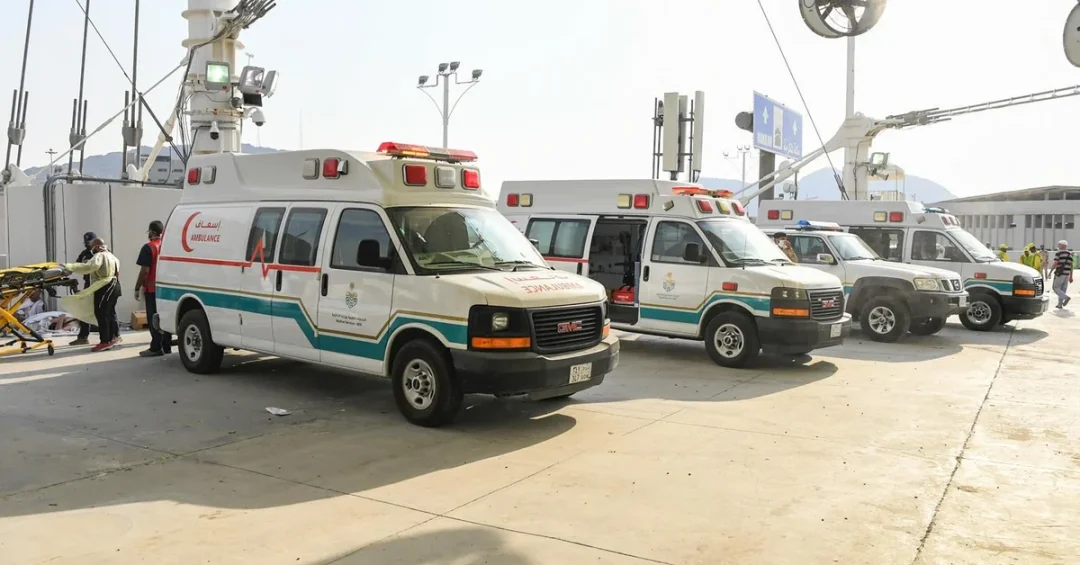
Mina, June 16, 2024, SPA — The General Directorate of Medical Services at the Ministry of Interior continues to support pilgrims during the days of Tashreeq in Mina, ensuring their well-being as part of the comprehensive Hajj medical plan. Field medical teams, equipped with ambulances and staffed by specialists in heat-related illnesses and emergencies, are readily available to provide immediate care. This continued support underscores the Ministry of Interior’s commitment to the health and safety of all pilgrims throughout their Hajj journey.
Context and Background
The days of Tashreeq, which follow the Day of Arafat, are an integral part of the Hajj pilgrimage. During this period, pilgrims remain in Mina to perform the symbolic stoning of the devil at the Jamarat. The Saudi government, through its various agencies, has implemented a comprehensive medical plan to cater to the health needs of the millions of pilgrims who converge in the holy sites. The General Directorate of Medical Services at the Ministry of Interior plays a crucial role in this plan, ensuring that emergency medical care is accessible around the clock.
Key Details
The medical teams deployed in Mina are specialized in handling heat-related illnesses, which are a significant concern given the high summer temperatures. Ambulances are strategically positioned to facilitate rapid response, and personnel are trained to manage heatstroke, dehydration, and other emergencies. The directorate’s efforts are part of a broader collaboration with the Ministry of Health and other entities to provide integrated medical services across all holy sites.
Implications and Impact
This proactive approach to pilgrim health not only ensures the safety of millions of worshippers but also enhances the image of Saudi Arabia as a responsible host capable of managing large-scale events. The presence of well-equipped medical services reassures pilgrims from around the world, fostering a sense of security and comfort. It also demonstrates the Kingdom’s logistical capabilities and its dedication to the well-being of guests of God, aligning with international expectations for mass gatherings.
Vision 2030 Alignment
This initiative reflects the Kingdom’s commitment under Vision 2030 to provide world-class services to pilgrims and visitors. By continuously improving healthcare infrastructure and emergency response, Saudi Arabia aims to enhance the overall Hajj experience and facilitate the growing number of pilgrims. The emphasis on quality and safety is a cornerstone of the Vision, supporting the goal of welcoming more Umrah and Hajj performers in the future.
20 Questions
Q1. What is the Ministry of Interior’s role in Mina during Hajj?
A1. The Ministry of Interior, through its General Directorate of Medical Services, ensures pilgrims’ health and safety by providing medical teams and ambulances in Mina, offering immediate care during the days of Tashreeq.
Q2. Where is Mina located?
A2. Mina is located about 5-6 kilometers east of Mecca, and it serves as a tent city for pilgrims during the Hajj, where they spend the days of Tashreeq.
Q3. What are the days of Tashreeq?
A3. The days of Tashreeq are the three days following the Day of Arafat (the 11th, 12th, and 13th of Dhul Hijjah), during which pilgrims perform stoning at the Jamarat and stay in Mina.
Q4. What is the importance of medical services in Mina?
A4. Medical services are crucial because millions of pilgrims gather in a confined area, and the hot climate increases risks of heat-related illnesses; immediate care prevents severe health issues.
Q5. Which entity provides these medical services?
A5. The General Directorate of Medical Services at the Ministry of Interior provides these services, coordinating with other health authorities to ensure comprehensive coverage.
Q6. What kind of emergencies are these teams prepared for?
A6. Teams are prepared for heatstroke, dehydration, cardiac issues, injuries, and other emergencies common in such gatherings, with specialized training.
Q7. How many ambulances are deployed?
A7. The exact number is not specified, but the directorate deploys a sufficient number to cover Mina, with strategic positioning for rapid response.
Q8. Are these services available 24/7?
A8. Yes, the medical services operate around the clock during the Hajj season to ensure pilgrims have access to care at any time.
Q9. What is the collaboration between the Ministry of Interior and other health bodies?
A9. The Ministry of Interior works alongside the Ministry of Health and other agencies to integrate services, share resources, and ensure a unified medical response.
Q10. How does this support Saudi Arabia’s Vision 2030?
A10. It enhances pilgrimage infrastructure, improves services to guests, and demonstrates the Kingdom’s capacity to host major events, all central to Vision 2030.
Q11. How do pilgrims benefit from these services?
A11. Pilgrims gain peace of mind and quick access to medical help, reducing the impact of health emergencies and enabling them to focus on worship.
Q12. What challenges do medical teams face?
A12. The main challenges include the large number of pilgrims, high temperatures, and the need for rapid coordination; the teams are trained to handle these efficiently.
Q13. Are these services part of a larger medical plan?
A13. Yes, they are part of a comprehensive medical plan that covers all holy sites, including Arafat and Muzdalifah, to ensure continuous care throughout the Hajj.
Q14. How does Saudi Arabia ensure the health of pilgrims?
A14. Saudi Arabia implements a multi-faceted approach, including field hospitals, emergency services, preventative measures, and big infrastructure investments.
Q15. What is the role of the General Directorate?
A15. The directorate oversees the deployment of medical staff, equipment, and vehicles, ensuring that all areas of Mina are covered with adequate medical support.
Q16. Are these services available to all pilgrims?
A16. Yes, all pilgrims, regardless of nationality, can access these emergency medical services without charge, as part of Saudi Arabia’s hospitality.
Q17. How does the Ministry of Interior coordinate with other authorities?
A17. The ministry coordinates through unified command centers and joint operations rooms, enabling clear communication and efficient resource allocation.
Q18. Is this the first time such services are provided?
A18. No, similar services are provided annually, but they are continuously improved based on past deployments and new technologies.
Q19. How does this contribute to the international image of Saudi Arabia?
A19. It showcases Saudi Arabia as a responsible host that prioritizes pilgrim safety, enhancing its reputation as a leader in organizing large religious gatherings.
Q20. What future improvements can be expected?
A20. Future improvements may include using AI for predictive analytics, more mobile clinics, and enhanced training to further reduce response times.
Reader Feedback
We value your thoughts. Please share your feedback on this article.
Your feedback helps us improve our coverage.