


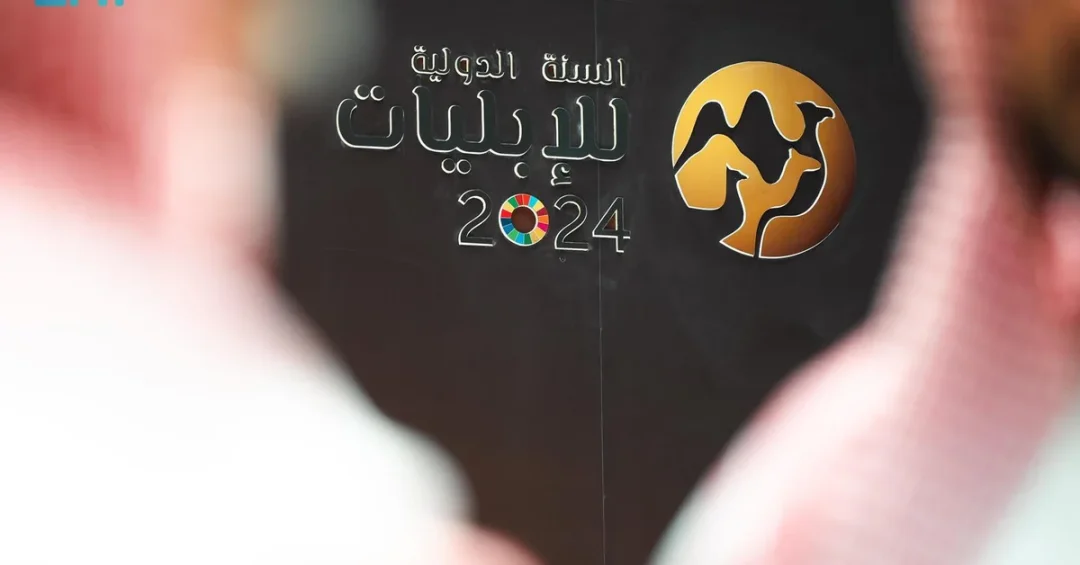
The Kingdom of Saudi Arabia is set to showcase its international efforts to develop the camel sector and highlight its economic importance at the Saudi Exhibition for the International Year of Camelids (IYC) 2024, taking place from June 10 to 14 in Rome, Italy. The exhibition is held on the sidelines of the Council of the General Assembly of the United Nations Food and Agriculture Organization (FAO), underscoring Saudi Arabia’s active role in global agricultural dialogue and its commitment to sustainable development.
Context and Background
The International Year of Camelids 2024 was declared by the United Nations to recognize the critical role of camels and other camelids in food security, nutrition, and livelihoods, particularly in arid and semi-arid regions. Saudi Arabia holds a co-chairmanship of the IYC 2024 alongside the Group of Latin America and the Caribbean (GRULAC), represented by the State of Bolivia. This partnership reflects the Kingdom’s growing leadership in international agricultural cooperation and its dedication to promoting the cultural and economic value of camels, which have been integral to Saudi heritage for centuries.
Key Details
The Saudi delegation to the FAO General Assembly meetings is headed by Eng. Ahmed bin Saleh Al-Eyada, Undersecretary of the Ministry of Environment, Water, and Agriculture for Agriculture and Chairman of the Steering Committee for the International Year of Camelids 2024. Several undersecretaries and ministry officials serving on the committee are also part of the delegation. Furthermore, over 13 government agencies and private sector companies are participating in the exhibition to showcase their efforts in developing the camel sector and to display food, medical, and cosmetic products derived from camels, emphasizing the significant value of camels in Saudi societies, both culturally and socially.
Implications and Impact
Saudi Arabia’s participation in the IYC 2024 exhibition is more than a cultural showcase; it is a strategic move to position the Kingdom as a global leader in sustainable camelid development. By highlighting the economic potential of camel products—ranging from nutritious food to advanced medical and cosmetic applications—the exhibition aims to attract international investment and foster partnerships. This aligns with Saudi Arabia’s broader efforts to diversify its economy and enhance food security. The event also provides a platform for knowledge exchange, allowing Saudi experts to share best practices in camel breeding, health, and product innovation with international counterparts, while learning from global advancements.
Vision 2030 Alignment
This initiative is deeply aligned with Saudi Vision 2030, the Kingdom’s ambitious roadmap for economic diversification and sustainable development. By promoting the camel sector, Saudi Arabia is not only preserving its cultural heritage but also creating new economic opportunities, generating employment, and strengthening food security. The exhibition underscores the Kingdom’s commitment to leveraging its unique assets for global benefit, reinforcing its role as a responsible and forward-looking international partner. As Saudi Arabia continues to invest in innovative agricultural practices and international collaborations, the camel sector stands as a testament to the nation’s ability to blend tradition with modernity, driving progress toward a prosperous future.
20 Questions
Q1. What is the International Year of Camelids 2024?
A1. The International Year of Camelids 2024 is a United Nations designation to recognize the importance of camels, llamas, alpacas, and other camelids for food security, nutrition, and livelihoods, especially in arid regions. It aims to raise awareness and promote sustainable development of the camelid sector globally.
Q2. Why is Saudi Arabia co-chairing the IYC 2024?
A2. Saudi Arabia co-chairs the IYC 2024 in partnership with the Group of Latin America and the Caribbean (GRULAC), represented by Bolivia. This reflects the Kingdom’s leadership in camelid development and its commitment to international cooperation, as well as its recognition of the shared cultural and economic importance of camelids worldwide.
Q3. Where and when is the Saudi Exhibition for IYC 2024 taking place?
A3. The Saudi Exhibition for the International Year of Camelids 2024 is held from June 10 to 14 in Rome, Italy, on the sidelines of the Council of the General Assembly of the United Nations Food and Agriculture Organization (FAO).
Q4. Who is leading the Saudi delegation to the FAO meetings?
A4. The Saudi delegation is headed by Eng. Ahmed bin Saleh Al-Eyada, Undersecretary of the Ministry of Environment, Water, and Agriculture for Agriculture and Chairman of the Steering Committee for the International Year of Camelids 2024. Several undersecretaries and ministry officials are also part of the delegation.
Q5. What is the role of the Ministry of Environment, Water, and Agriculture in this event?
A5. The Ministry of Environment, Water, and Agriculture oversees the development of the camel sector, promotes sustainable practices, and represents Saudi Arabia at international forums. It supports research, innovation, and investment in camel products to enhance food security and economic diversification.
Q6. How many government agencies and private companies are participating?
A6. Over 13 government agencies and private sector companies are participating in the exhibition. Their involvement demonstrates broad institutional and commercial commitment to developing the camel sector and showcasing its diverse products and benefits on an international stage.
Q7. What types of products are showcased at the exhibition?
A7. The exhibition showcases food, medical, and cosmetic products derived from camels. These include nutritious dairy and meat products, advanced medical applications, and beauty products, highlighting the versatility and economic potential of camelid resources.
Q8. How does the camel sector contribute to food security in Saudi Arabia?
A8. The camel sector contributes to food security by providing nutritious milk and meat, which are essential in arid regions. It supports rural livelihoods and offers sustainable food sources. Saudi Arabia’s focus on this sector aligns with its goal to enhance national food security and reduce import dependency.
Q9. What are the medical benefits of camel products?
A9. Camel products offer various medical benefits, including insulin-like proteins for diabetes treatment, antimicrobial agents, and wound-healing properties. Camel milk is rich in vitamins and minerals, and its unique composition has been linked to immune system support and improved digestion.
Q10. What is the cultural significance of camels in Saudi society?
A10. Camels are deeply embedded in Saudi culture, symbolizing resilience, hospitality, and heritage. They are central to traditional livelihoods, festivals, and poetry. The exhibition highlights this cultural value, reinforcing the social importance of camels in Saudi society.
Q11. How does this exhibition align with Saudi Vision 2030?
A11. The exhibition aligns with Saudi Vision 2030 by promoting economic diversification, sustainable agriculture, and food security. It showcases the Kingdom’s efforts to modernize the camel sector, create jobs, and attract investment, while preserving cultural heritage and enhancing global partnerships.
Q12. What is the Group of Latin America and the Caribbean (GRULAC)?
A12. The Group of Latin America and the Caribbean (GRULAC) is a regional group within the United Nations that represents the interests of Latin American and Caribbean countries. It collaborates on various global issues, including agricultural development and food security.
Q13. Why is Bolivia representing GRULAC in the co-chairmanship?
A13. Bolivia represents GRULAC in the co-chairmanship because of its significant camelid population, particularly llamas and alpacas, which are vital to its rural economy and culture. Bolivia’s expertise complements Saudi Arabia’s leadership in camel development.
Q14. What is the Food and Agriculture Organization (FAO)?
A14. The Food and Agriculture Organization (FAO) is a specialized agency of the United Nations that leads international efforts to defeat hunger. It works to improve nutrition, increase agricultural productivity, and ensure food security for all.
Q15. What is the Steering Committee for the International Year of Camelids 2024?
A15. The Steering Committee for the International Year of Camelids 2024 is a body that coordinates activities and initiatives related to the IYC. Chaired by Eng. Ahmed bin Saleh Al-Eyada, it brings together experts to guide the global celebration and promote camelid development.
Q16. How does international cooperation benefit the camel sector?
A16. International cooperation benefits the camel sector by facilitating knowledge exchange, joint research, and investment. It allows countries to share best practices in breeding, health, and product innovation, leading to more sustainable and productive camelid industries worldwide.
Q17. What economic opportunities does the camel sector offer?
A17. The camel sector offers economic opportunities in dairy, meat, leather, and cosmetics, as well as in tourism and cultural events. It supports rural communities, creates jobs, and contributes to export diversification. Saudi Arabia is tapping into these potentials through innovation and investment.
Q18. How is Saudi Arabia modernizing the camel sector?
A18. Saudi Arabia is modernizing the camel sector through research and development, advanced breeding techniques, and technological innovations. It supports entrepreneurs and companies that produce value-added camel products, aiming to meet global standards and expand market reach.
Q19. What is the expected outcome of the exhibition?
A19. The exhibition is expected to raise international awareness of the camel sector’s potential, attract investment, and foster partnerships. It will also strengthen Saudi Arabia’s position as a leader in sustainable camelid development and promote its cultural heritage.
Q20. How does the exhibition promote Saudi Arabia’s global role?
A20. The exhibition promotes Saudi Arabia’s global role by showcasing its commitment to international cooperation, food security, and sustainable development. It highlights the Kingdom’s ability to bridge tradition and modernity, reinforcing its image as a responsible global partner.
Reader Feedback
We value your thoughts. Please share your feedback on this article.
Your feedback helps us improve our coverage.
Related articles
 Saudi Minister Al-Jubeir Meets Brazilian Secretary in Costa Rica
 Saudi FM Meets Belarusian Counterpart at BRICS Outreach
 Islamic Affairs Ministry Assists 18,000 Pilgrims in Makkah
 Saudi Interior Medical Services Aid Pilgrims in Mina
 Over 25,000 Holy Quran Copies Distributed to Departing Pilgrims in Madinah
 Tabuk Governor, Kazakh Ambassador Discuss Mutual Interests