


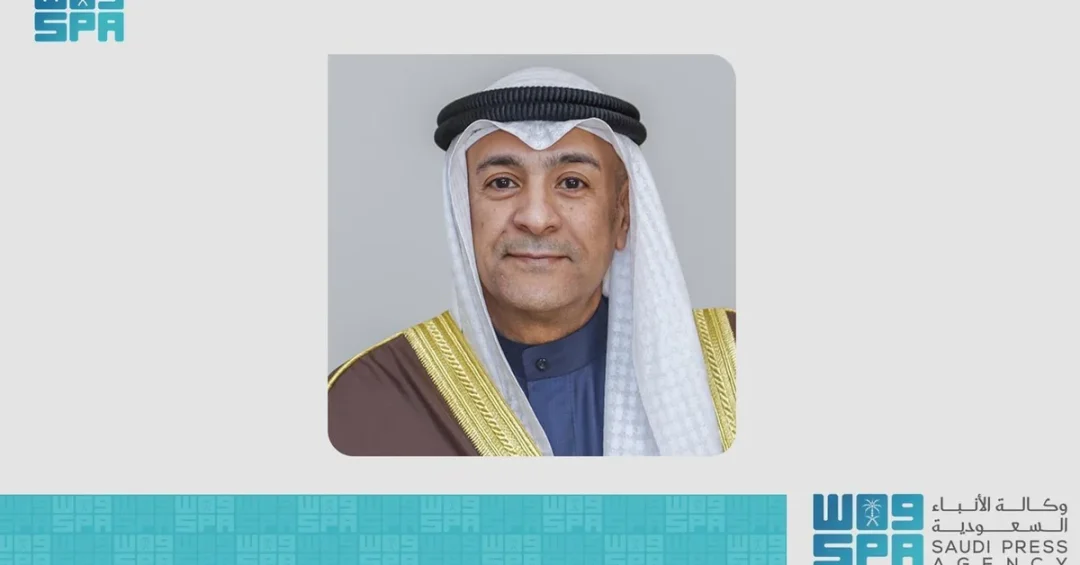
Gulf Cooperation Council (GCC) Secretary-General Jassim Albudaiwi affirmed the deep historical ties between the GCC and the United Kingdom during a lecture at Durham University, UK, on June 25, 2025. He highlighted the strategic partnership launched at the 2016 Bahrain Summit, which brought together GCC leaders and the UK to strengthen political, defense, security, commercial, cultural, and social relations. Albudaiwi also noted the imminent conclusion of a free-trade agreement, with bilateral trade reaching approximately $32 billion in 2023.
Context and Background
The lecture, delivered at the Institute of Middle Eastern and Islamic Studies, was attended by students, faculty, and experts in Gulf-British relations. Albudaiwi underscored that the GCC-UK relationship has evolved over decades through annual joint ministerial meetings. A key milestone was the GCC-UK Public-Private Partnership Conference held in London in April 2017, which reinforced economic collaboration. In June 2022, formal negotiations for a free-trade agreement began, signaling a new phase of economic integration. Albudaiwi expressed optimism that a final agreement would be reached soon.
Key Details
Albudaiwi reviewed the GCC’s achievements since its establishment in 1981, emphasizing its role in fostering dialogue, preventive diplomacy, and peaceful conflict resolution. He highlighted the GCC’s commitment to expanding trade partnerships through ongoing free-trade agreements. The GCC has also been active in regional and international mediation, providing humanitarian relief and reconstruction assistance to conflict-affected areas. The UK-GCC strategic partnership, initiated at the 2016 Bahrain Summit, aims to enhance cooperation in political, defense, security, and commercial fields, as well as cultural and social ties.
Implications and Impact
The prospective free-trade agreement between the GCC and the UK is expected to boost economic ties, benefiting both regions. With trade volumes already substantial, the agreement could unlock new opportunities in sectors such as technology, finance, and energy. Albudaiwi’s remarks at Durham University reflect the GCC’s broader strategy of strengthening global partnerships. The emphasis on preventive diplomacy and peaceful conflict resolution underscores the GCC’s role as a stabilizing force in the Middle East, enhancing its international credibility and influence.
Vision 2030 Alignment
The deepening GCC-UK relationship aligns with Saudi Arabia’s Vision 2030, which seeks to diversify the economy and strengthen international partnerships. A successful free-trade agreement would support Vision 2030’s goals of increasing non-oil exports, attracting foreign investment, and integrating Saudi Arabia more deeply into global markets. Albudaiwi’s reaffirmation of historical ties with the UK also highlights the importance of cultural and educational exchanges, which are key components of Vision 2030’s social and human capital development objectives. As the GCC and the UK move closer to finalizing their agreement, the future looks promising for enhanced cooperation and shared prosperity.
20 Questions
Q1. Who is Jassim Albudaiwi?
A1. Jassim Albudaiwi is the Secretary-General of the Gulf Cooperation Council (GCC). He has been in this role since 2023, representing the GCC in international forums and strengthening ties with global partners.
Q2. What is the significance of the 2016 Bahrain Summit for GCC-UK relations?
A2. The 2016 Bahrain Summit brought together GCC leaders and the UK, leading to the launch of a strategic partnership. This initiative aimed to strengthen political, defense, security, commercial, cultural, and social ties between the two sides.
Q3. What is the current volume of trade between the GCC and the UK?
A3. The bilateral trade volume between the GCC and the UK reached approximately $32 billion in 2023, reflecting strong economic ties that are expected to grow with a potential free-trade agreement.
Q4. When did GCC-UK free-trade negotiations begin?
A4. Negotiations for a GCC-UK free-trade agreement officially began in June 2022, marking a qualitative development in economic relations. The aim is to conclude a final agreement as soon as possible.
Q5. What was the GCC-UK Public-Private Partnership Conference?
A5. This conference, held in London in April 2017, was an initiative to foster collaboration between public and private sectors in the GCC and the UK. It was part of efforts to enhance economic ties and investment opportunities.
Q6. What are the main fields of cooperation under the GCC-UK strategic partnership?
A6. The strategic partnership focuses on political, defense, security, commercial, cultural, and social cooperation. It aims to strengthen ties across these areas through joint efforts.
Q7. How has the GCC contributed to regional peacebuilding?
A7. Since 1981, the GCC has adopted preventive diplomacy and dialogue, respecting sovereignty and promoting peaceful conflict resolution. It provides humanitarian relief and reconstruction aid and hosts conferences to support stability.
Q8. What role does the GCC play in international mediation?
A8. The GCC actively engages in mediation efforts, using its diplomatic approach to resolve conflicts and foster political environments supportive of stability and sustainable development in the region.
Q9. What is the GCC’s approach to external interference?
A9. The GCC’s approach is based on non-interference in the affairs of other states, respecting sovereignty, and avoiding escalation or external interference, favoring dialogue and peaceful resolutions.
Q10. What are the benefits of a GCC-UK free-trade agreement?
A10. A free-trade agreement would likely boost trade and investment, reduce tariffs, and create new opportunities in various sectors, benefiting both economies and supporting job creation.
Q11. How does the GCC-UK partnership align with Vision 2030?
A11. The partnership supports Vision 2030’s goals of economic diversification, increased non-oil exports, and attracting foreign investment. It also promotes cultural and educational exchanges, aligning with Vision 2030’s social objectives.
Q12. What is the significance of Albudaiwi’s lecture at Durham University?
A12. The lecture served as a platform to highlight GCC-UK historical relations and future cooperation. It engaged academics and experts, fostering dialogue and understanding between the regions.
Q13. How often do GCC and UK hold joint ministerial meetings?
A13. The GCC and UK hold annual joint ministerial meetings to discuss cooperation and review progress in areas of mutual interest, strengthening intergovernmental ties.
Q14. What other free-trade agreements is the GCC pursuing?
A14. The GCC is actively pursuing free-trade agreements with several partners to expand and diversify its trade partnerships, confirming its commitment to broader economic integration.
Q15. How has the GCC’s role evolved since its establishment?
A15. Established in 1981, the GCC has evolved into a key regional organization, promoting cooperation among member states and with global partners, focusing on stability and economic development.
Q16. What is the GCC’s stance on conflict resolution?
A16. The GCC prioritizes peaceful conflict resolution, using preventive diplomacy and dialogue. It aims to create a political environment supportive of stability and sustainable development, avoiding conflict escalation.
Q17. What areas of cultural cooperation exist between the GCC and the UK?
A17. The strategic partnership includes strengthening cultural ties, which may involve educational exchanges, cultural events, and heritage preservation, fostering mutual understanding.
Q18. How does the GCC support humanitarian relief?
A18. The GCC provides humanitarian relief and reconstruction assistance to countries affected by conflicts, demonstrating its commitment to alleviating suffering and promoting recovery.
Q19. What is the importance of the GCC-UK partnership for regional stability?
A19. The partnership contributes to regional stability by promoting economic cooperation and diplomatic dialogue, which can help address common challenges and enhance security in the Gulf region.
Q20. What are the next steps for the GCC-UK relationship?
A20. The next steps include finalizing the free-trade agreement, continuing joint ministerial meetings, and implementing initiatives under the strategic partnership to deepen cooperation and achieve shared goals.
Reader Feedback
We value your thoughts. Please share your feedback on this article.
Your feedback helps us improve our coverage.