


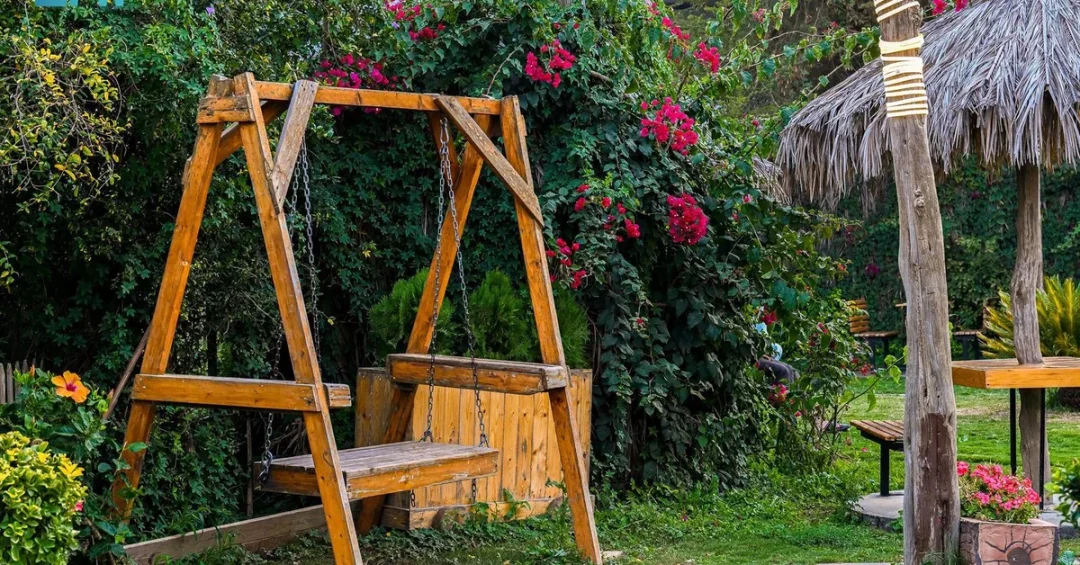
Al-Baha, November 14, 2024 (SPA) – The agricultural nurseries scattered across the Al-Baha region are not merely commercial ventures; they are cultural and environmental assets, contributing significantly to the region’s aesthetic appeal and ecological balance. As the planting season commences and weather conditions improve, these nurseries showcase diverse flora, including ornamental flowers, shrubs, annuals, ground covers, and cacti.
Context and Background
The nurseries of Al-Baha are part of a broader initiative by the Kingdom of Saudi Arabia to enhance environmental sustainability and green spaces, aligning with the goals of Vision 2030. The region’s unique topography and climate support a wide variety of plant species, making it a vital hub for horticulture and ecological preservation. The efforts of local authorities and private nurseries contribute to the Kingdom’s afforestation targets and the improvement of urban and rural landscapes.
Key Details
In a statement to the Saudi Press Agency, the Secretary of the Al-Baha Region, Dr. Ali Al-Sawat, emphasized that the nurseries aim not only to produce seedlings and flowers but also to preserve the genetic characteristics of local plant species. They focus on producing robust, disease-free seedlings that thrive in the local environment. Al-Baha Municipality, through its environmental architecture agency, meticulously plans, manages, and oversees 11 nurseries in Al-Baha and its municipalities. These nurseries collectively house 50,000 trees, 60,000 shrubs, and 1,100,000 flowers over an expansive area of 190,000 square meters. Species cultivated include juniper, tamarisk, and olive.
This year, afforestation efforts resulted in planting 87,841 trees and 133,089 shrubs, with grass-covered areas spanning 209,692 square meters and boasting 1,772,281 flowers. These figures underscore the scale of the commitment to environmental enrichment in the region.
Mohammed Abdullah Al-Ghamdi, a nursery owner in Al-Baha, revealed to Saudi Press Agency that some nurseries have evolved into tourist destinations. These nurseries educate visitors about various tree species and the importance of agriculture and impart best practices for home gardening and personal farming. Farmer Azza Al-Khathami also shared her successful journey in the field of agricultural nurseries. Beginning as a hobby in the governorate, she expanded her collection to over 1,000 seedlings, transforming her passion into a thriving business. Starting with a single greenhouse made from scrap iron, she now operates 11 greenhouses.
Implications and Impact
The growth of agricultural nurseries in Al-Baha has significant implications for local economic development, tourism, and environmental sustainability. According to farmer Mohammed Al-Zahrani, women are the primary purchasers of seedlings and appreciate their aesthetic, aromatic, and health benefits for homes. The nurseries actively compete for clientele by offering a variety of fruit trees supported by fertile soil conditions, such as oranges, tangerines, lemons, mangoes, papayas, figs, pomegranates, guavas, and diverse types of grapes. Additionally, they provide almond and olive trees, ornamental trees, and seasonal and wild plants and flowers known for their fragrance, beauty, and striking appeal. This diversity not only enhances local food security but also attracts visitors, contributing to the region’s tourism sector.
Vision 2030 Alignment
The development of Al-Baha’s nurseries is a testament to Saudi Arabia’s commitment to environmental sustainability, economic diversification, and community well-being as outlined in Vision 2030. By promoting local agriculture, preserving genetic biodiversity, and creating green spaces, these initiatives support the Kingdom’s goals of enhancing quality of life and building a sustainable future. As the nurseries continue to flourish, they not only beautify the landscape but also serve as a model for sustainable development, reinforcing Saudi Arabia’s leadership in environmental stewardship.
20 Questions
Q1. What is the primary purpose of agricultural nurseries in Al-Baha?
A1. The primary purpose is to produce seedlings and flowers while preserving the genetic characteristics of local plant species. They aim to provide robust, disease-free seedlings that thrive in the local environment, contributing to the region’s ecological balance and aesthetic appeal.
Q2. How many nurseries are managed by Al-Baha Municipality?
A2. Al-Baha Municipality oversees 11 nurseries in Al-Baha and its municipalities. These nurseries collectively cover an area of 190,000 square meters and house 50,000 trees, 60,000 shrubs, and 1,100,000 flowers.
Q3. Which plant species are cultivated in these nurseries?
A3. The nurseries cultivate a variety of species including juniper, tamarisk, and olive. Additionally, they offer fruit trees like oranges, lemons, mangoes, figs, pomegranates, and grapes, as well as ornamental and wild plants.
Q4. How many trees and shrubs were planted this year in Al-Baha?
A4. During the current year, afforestation efforts resulted in the planting of 87,841 trees and 133,089 shrubs. Additionally, grass-covered areas span 209,692 square meters, featuring 1,772,281 flowers.
Q5. Who is Dr. Ali Al-Sawat?
A5. Dr. Ali Al-Sawat is the Secretary of the Al-Baha Region. He emphasized the role of nurseries in preserving local plant genetics and producing healthy seedlings, highlighting their environmental and cultural significance.
Q6. How have nurseries evolved as tourist destinations?
A6. Some nurseries have become tourist attractions by educating visitors about various tree species and agricultural practices. They offer insights into home gardening and personal farming, enhancing visitors’ appreciation of agriculture.
Q7. What is Mohammed Abdullah Al-Ghamdi’s role in Al-Baha’s nurseries?
A7. Mohammed Abdullah Al-Ghamdi is a nursery owner who shared with SPA that nurseries have transformed into educational hubs, teaching visitors about tree species and the importance of agriculture, thereby boosting tourism.
Q8. Can you describe Azza Al-Khathami’s journey?
A8. Azza Al-Khathami, a farmer, started with a hobby and expanded to over 1,000 seedlings. She began with one greenhouse made from scrap iron and now operates 11 greenhouses, demonstrating entrepreneurial success.
Q9. Who are the primary purchasers of seedlings according to Mohammed Al-Zahrani?
A9. Mohammed Al-Zahrani noted that women are the primary purchasers of seedlings. They appreciate the aesthetic, aromatic, and health benefits of plants for their homes, making them key customers.
Q10. What types of fruit trees are available at these nurseries?
A10. The nurseries offer a wide range of fruit trees including oranges, tangerines, lemons, mangoes, papayas, figs, pomegranates, guavas, and various grape types, taking advantage of fertile soil conditions.
Q11. How does Al-Baha’s climate support nursery cultivation?
A11. Al-Baha’s unique topography and favorable climate allow for diverse plant species to thrive. This supports the cultivation of both indigenous and exotic plants, contributing to the region’s rich biodiversity.
Q12. Why is preserving local plant genetics important?
A12. Preserving local plant genetics ensures the survival of species adapted to local conditions, maintaining ecological balance and biodiversity. It supports sustainable agriculture and environmental resilience.
Q13. How do nurseries contribute to the local economy?
A13. Nurseries create jobs, support local farmers, and attract tourists, thereby boosting the local economy. They also provide plants for landscaping and agriculture, reducing dependence on imports.
Q14. What is the significance of the 190,000 square meters area?
A14. The 190,000 square meters represent the collective area of the 11 nurseries, indicating the substantial scale of horticultural activity in the region. This space allows for extensive cultivation and storage of plants.
Q15. How do these nurseries align with Vision 2030?
A15. These nurseries support Vision 2030 by promoting environmental sustainability, economic diversification, and community well-being. They enhance green spaces, preserve biodiversity, and create tourism and business opportunities.
Q16. What role do women play in the nursery business?
A16. Women are both customers and entrepreneurs in the nursery business. They purchase seedlings for home use, and some, like Azza Al-Khathami, have established successful nursery ventures, showcasing female entrepreneurship.
Q17. How do nurseries educate the public?
A17. Nurseries serve as educational platforms, offering tours and information about tree species, gardening techniques, and the importance of agriculture. This helps raise awareness about environmental stewardship.
Q18. What challenges might nurseries face?
A18. Challenges may include water scarcity, climate variability, and market competition. However, the region’s fertile soil and supportive government policies help mitigate these issues.
Q19. How does the municipality oversee nursery operations?
A19. The municipality’s environmental architecture agency plans, manages, and oversees the nurseries, ensuring they meet quality standards and contribute effectively to the region’s green initiatives.
Q20. What is the future outlook for Al-Baha’s nurseries?
A20. The outlook is promising, with growing demand for plants and increased focus on sustainability. These nurseries are expected to expand, further enhancing tourism and contributing to the Kingdom’s environmental goals.
Reader Feedback
We value your thoughts. Please share your feedback on this article.
Your feedback helps us improve our coverage.