


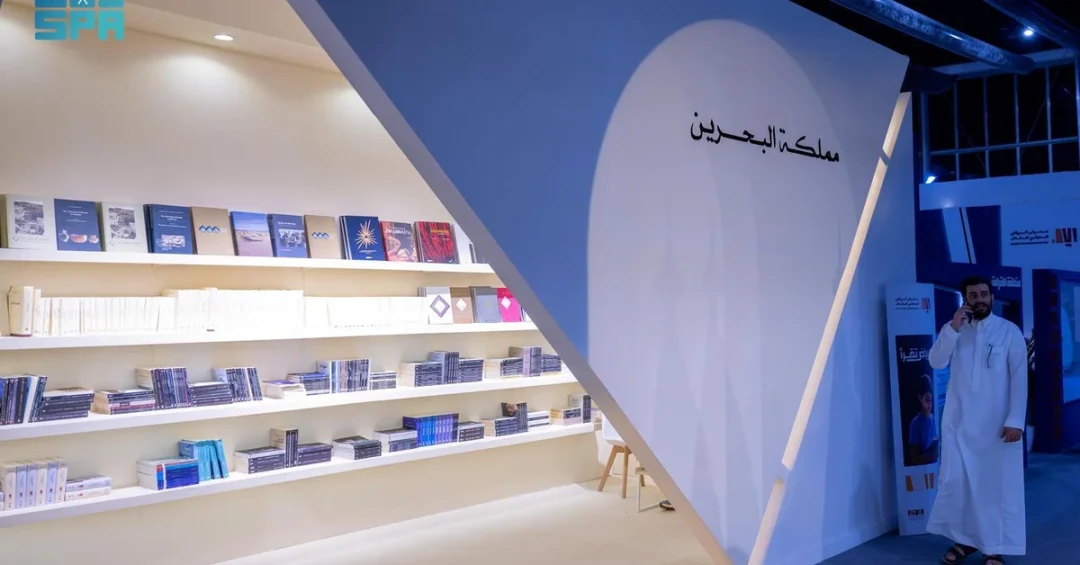
Riyadh, October 2, 2024 – The cultures of the Gulf Cooperation Council (GCC) countries converge at the Riyadh International Book Fair 2024, offering a comprehensive cultural display that reflects the diversity and rich heritage of these nations. Under the theme “Riyadh Reads,” the fair stands as one of the largest cultural events in the region, with active and distinguished participation from Gulf states. Each nation presents unique and rich contributions, turning its pavilion into a window that embodies its cultural identity and intellectual vision.
Context and Background
The Riyadh International Book Fair has long been a cornerstone of the Kingdom’s cultural calendar, attracting publishers, authors, and readers from across the region and beyond. This year’s edition, organized by the Literature, Publishing and Translation Commission, underscores Saudi Arabia’s commitment to fostering a vibrant literary ecosystem. The participation of GCC countries not only reflects their rich cultural heritage but also underscores the deep bonds between Gulf nations in promoting culture and intellectual exchange.
Key Details
Each GCC country brings a unique flavor to the fair. The United Arab Emirates showcases its modern literary movement alongside traditional Emirati storytelling. Kuwait highlights its historical role as a regional publishing hub, while Qatar presents a blend of heritage and contemporary thought. Bahrain and Oman offer insights into their distinct cultural narratives, and Saudi Arabia, as the host, presents a comprehensive display of its Vision 2030 cultural ambitions. The fair serves as an opportunity to highlight the diversity of the Gulf’s cultural landscape, elevating the book as a medium for communication between peoples and as a supporter of the values of dialogue and understanding.
Implications and Impact
The collective participation reinforces the prominent role of GCC countries in supporting books and culture as pillars of intellectual and societal development. By coming together in Riyadh, these nations open new horizons for cultural cooperation on both regional and international levels. The fair also provides a platform for cross-cultural dialogue, enabling visitors to engage with the rich intellectual traditions of the Gulf and fostering mutual understanding.
Vision 2030 Alignment
This event aligns seamlessly with Saudi Arabia’s Vision 2030, which places culture and entertainment at the heart of the nation’s transformation. Through initiatives like the Riyadh International Book Fair, the Kingdom is not only preserving its heritage but also nurturing a knowledge-based society that values creativity, innovation, and global engagement. As the fair continues to grow, it reinforces Saudi Arabia’s position as a leading cultural hub in the region, contributing to the realization of Vision 2030’s ambitious goals.
20 Questions
Q1. When and where is the Riyadh International Book Fair 2024 being held?
A1. The fair is being held in Riyadh, Saudi Arabia, from October 2, 2024. It is one of the largest cultural events in the region, drawing participation from Gulf Cooperation Council countries.
Q2. What is the theme of this year’s Riyadh International Book Fair?
A2. The theme is “Riyadh Reads,” which emphasizes the importance of reading and literary culture. It highlights the fair’s role in promoting books as a means of communication and intellectual exchange.
Q3. Which countries are participating in the fair?
A3. All Gulf Cooperation Council (GCC) countries are participating, including Saudi Arabia, the United Arab Emirates, Kuwait, Qatar, Bahrain, and Oman. Each brings a unique cultural display.
Q4. What does the participation of GCC countries signify?
A4. It signifies the deep cultural bonds and shared heritage among Gulf nations. It also underscores their collective commitment to promoting culture and intellectual exchange on a regional and international scale.
Q5. How does the fair reflect the cultural diversity of the GCC?
A5. Each country presents its own pavilion, showcasing distinct literary traditions, cultural artifacts, and intellectual perspectives. This diversity highlights the rich cultural landscape of the Gulf region.
Q6. What role does Saudi Arabia play in this event?
A6. As the host nation, Saudi Arabia organizes the fair and provides a platform for cultural exchange. This role aligns with Vision 2030’s goals of positioning the Kingdom as a cultural hub.
Q7. Who organizes the Riyadh International Book Fair?
A7. The fair is organized by the Literature, Publishing and Translation Commission, which is part of the Saudi Ministry of Culture. The commission works to develop the literary sector in the Kingdom.
Q8. How does the fair support the ‘book as a medium for communication’?
A8. The fair brings together authors, publishers, and readers, facilitating interactions that transcend borders. Books serve as a bridge for cultural dialogue and mutual understanding among diverse audiences.
Q9. What are some highlights of the UAE’s participation?
A9. The UAE showcases its modern literary movement alongside traditional storytelling. It aims to present a blend of innovation and heritage, reflecting its dynamic cultural landscape.
Q10. How does Kuwait contribute to the fair?
A10. Kuwait highlights its historical role as a publishing hub in the region. It presents works that reflect its long-standing tradition of intellectual and literary production.
Q11. What does Qatar’s participation include?
A11. Qatar presents a blend of heritage and contemporary thought, offering visitors a glimpse into its evolving literary scene. It emphasizes both tradition and modernity.
Q12. How do Bahrain and Oman showcase their cultures?
A12. Bahrain offers its unique cultural narratives, while Oman presents its distinct heritage. Both countries use their pavilions to display their literary and intellectual contributions.
Q13. What is the significance of the fair for regional cultural cooperation?
A13. The fair strengthens ties among GCC countries by promoting cultural exchange and mutual understanding. It opens new horizons for collaboration in publishing, translation, and other cultural fields.
Q14. How does the fair contribute to international cultural dialogue?
A14. By attracting international participants and visitors, the fair connects Gulf cultures with the global community. It fosters dialogue and understanding across cultures.
Q15. What is the connection between the fair and Saudi Vision 2030?
A15. The fair aligns with Vision 2030’s goal of enriching the cultural landscape and developing human capital. It supports the Kingdom’s transformation into a knowledge-based society.
Q16. How does the fair promote intellectual and societal development?
A16. The fair encourages reading and intellectual engagement, which are essential for societal progress. It provides a space for the exchange of ideas that can drive innovation and development.
Q17. Can visitors from outside the region attend the fair?
A17. Yes, the fair is open to international visitors and participants. It aims to attract global audiences to experience the cultural richness of the Gulf.
Q18. What types of activities are available at the fair?
A18. The fair includes book signings, panel discussions, workshops, and cultural performances. These activities offer varied experiences for visitors of all ages.
Q19. How can the fair impact the publishing industry?
A19. The fair provides a platform for publishers to network and explore collaborations. It can boost the regional publishing industry by increasing exposure and sales.
Q20. What is the future outlook for the Riyadh International Book Fair?
A20. The fair is expected to continue growing, becoming a major cultural event in the region. It will likely further strengthen cultural ties and promote Saudi Arabia’s cultural leadership.
Reader Feedback
We value your thoughts. Please share your feedback on this article.
Your feedback helps us improve our coverage.
Related articles
 Film Criticism Conference Returns to Riyadh
 Saudi Embassy Joins Pakistani Cultural Festival in Islamabad
 International Translation Forum 2024 Concludes in Riyadh
 Arabic Calligraphy Shines with Beauty at Grand Mosque
 Riyadh Book Fair Signing Platforms Bridge Writers and Readers
 Year of the Camel Pavilion in Jeddah’s City Walk Draws Crowds with an Interactive Cultural Experience