


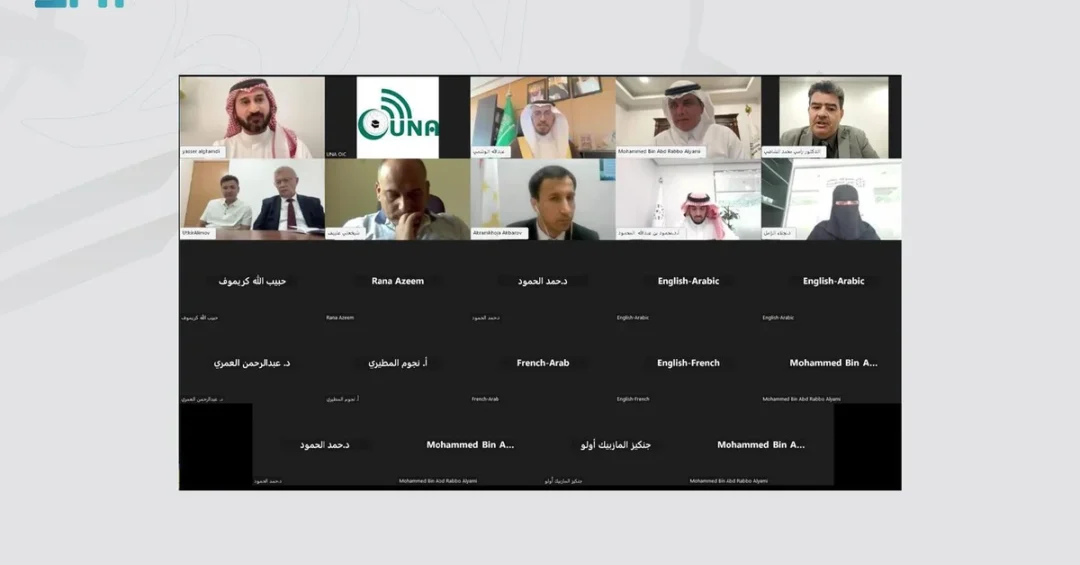
The King Salman Global Academy for Arabic Language (KSGAAL) and the Union of OIC News Agencies (UNA) concluded a virtual symposium on Monday, September 2, 2024, aimed at promoting Arabic content in official news agencies of non-Arabic-speaking countries within the Organization of Islamic Cooperation (OIC). The symposium, which was held virtually, targeted news agencies in Azerbaijan, Afghanistan, Uzbekistan, Pakistan, Türkiye, Tajikistan, Kyrgyzstan, Malaysia, and Chad that provide Arabic content services on their platforms.
Context and Background
The symposium is part of Saudi Arabia’s ongoing efforts to support the Arabic language globally, aligning with the Kingdom’s Vision 2030, which emphasizes cultural and linguistic preservation. KSGAAL, established in 2020, plays a pivotal role in this mission by promoting Arabic language learning and content creation worldwide. This initiative with UNA underscores the importance of media in language dissemination and reflects Saudi Arabia’s leadership in fostering Arabic content across international platforms.
Key Details
Secretary-General of KSGAAL, Abdullah bin Saleh Al-Washmi, highlighted that the symposium aimed to enrich Arabic content across various media platforms, stimulate Arabic content producers, provide support, and enhance their knowledge and media proficiency. The event featured two specialized panel discussions. The first addressed the challenges facing Arabic content in the targeted news agencies, while the second presented KSGAAL’s vision for enhancing this content.
The symposium concluded with several recommendations, emphasizing the need to enhance Arabic content in international media, particularly in news agencies, due to the pivotal role of media in language dissemination. It also highlighted supporting the Arabic language’s digital presence and fostering collaboration between KSGAAL and UNA to organize forums that strengthen Arabic language representation in news agencies of non-Arabic-speaking Islamic countries.
Implications and Impact
The symposium’s outcomes are expected to have a significant impact on the presence of Arabic content in non-Arabic-speaking Muslim countries, promoting cultural exchange and mutual understanding. By supporting Arabic content in these regions, Saudi Arabia reinforces its role as a cultural hub and a leader in the Islamic world. The collaboration between KSGAAL and UNA sets a precedent for future initiatives aimed at strengthening the Arabic language’s global reach.
Vision 2030 Alignment
This initiative aligns perfectly with Saudi Arabia’s Vision 2030, which seeks to promote cultural identity and global engagement. By enhancing the presence of Arabic content in international media, the Kingdom is not only preserving its linguistic heritage but also showcasing its commitment to cultural exchange and cooperation. Such efforts contribute to the Vision’s goal of positioning Saudi Arabia as a leading nation in the region and the world, fostering a vibrant society and a thriving economy.
20 Questions
Q1. What was the purpose of the virtual symposium concluded by KSGAAL and UNA?
A1. The symposium aimed to promote Arabic content in official news agencies of non-Arabic-speaking countries within the Organization of Islamic Cooperation (OIC), enriching Arabic content across various media platforms.
Q2. Which countries were targeted in the symposium?
A2. The targeted countries were Azerbaijan, Afghanistan, Uzbekistan, Pakistan, Türkiye, Tajikistan, Kyrgyzstan, Malaysia, and Chad, focusing on their official news agencies that provide Arabic content services.
Q3. Who is the Secretary-General of KSGAAL?
A3. Abdullah bin Saleh Al-Washmi is the Secretary-General of the King Salman Global Academy for Arabic Language (KSGAAL).
Q4. What did the symposium feature in terms of panel discussions?
A4. The symposium featured two specialized panel discussions: one addressing challenges facing Arabic content in targeted news agencies, and the other presenting KSGAAL’s vision for enhancing this content.
Q5. What were some recommendations from the symposium?
A5. Recommendations included enhancing Arabic content in international media, particularly in news agencies, supporting the digital presence of the Arabic language, and fostering collaboration between KSGAAL and UNA for future forums.
Q6. How does this symposium relate to Vision 2030?
A6. The symposium aligns with Vision 2030’s goals of promoting cultural identity and global engagement, as Saudi Arabia works to preserve the Arabic language and enhance its presence internationally.
Q7. What is the role of media in language dissemination according to the symposium?
A7. The symposium emphasized that media plays a pivotal role in language dissemination, highlighting the importance of enhancing Arabic content in news agencies to promote the language globally.
Q8. Who organized the symposium?
A8. The symposium was organized by the King Salman Global Academy for Arabic Language (KSGAAL) in collaboration with the Union of OIC News Agencies (UNA).
Q9. When was the symposium held?
A9. The virtual symposium was held on Monday, September 2, 2024.
Q10. What is KSGAAL?
A10. KSGAAL, the King Salman Global Academy for Arabic Language, is a Saudi institution established in 2020 to promote the Arabic language globally through education, content creation, and cultural initiatives.
Q11. What is UNA?
A11. UNA is the Union of OIC News Agencies, a body that coordinates cooperation among news agencies in member countries of the Organization of Islamic Cooperation.
Q12. Why were non-Arabic-speaking countries targeted?
A12. The target was to strengthen Arabic content in countries where Arabic is not widely spoken but where there is an interest in Islamic culture and language, thereby expanding the reach of Arabic media.
Q13. How will the symposium’s recommendations be implemented?
A13. The recommendations will be implemented through enhanced collaboration between KSGAAL and UNA, including organizing forums and supporting Arabic content initiatives in the targeted news agencies.
Q14. What is the significance of supporting Arabic language’s digital presence?
A14. Supporting digital presence ensures that Arabic content is accessible online, which is crucial for reaching global audiences and preserving the language in the digital age.
Q15. How does this initiative benefit the targeted countries?
A15. It benefits them by enriching their Arabic content, enhancing their media proficiency, and fostering cultural ties with the Arabic-speaking world.
Q16. What is the role of Saudi Arabia in this initiative?
A16. Saudi Arabia, through KSGAAL, leads the initiative, demonstrating its commitment to supporting Arabic language and culture globally, in line with its Vision 2030.
Q17. Are there plans for future symposia?
A17. The symposium’s recommendations highlight the need for continued forums, suggesting that KSGAAL and UNA plan to organize more events to strengthen Arabic language representation.
Q18. How does this align with Saudi Arabia’s cultural diplomacy?
A18. It aligns by promoting cultural exchange and understanding, positioning Saudi Arabia as a cultural leader in the Islamic world and internationally.
Q19. How can news agencies participate in Arabic content promotion?
A19. News agencies can participate by expanding their Arabic services, training journalists, and collaborating with KSGAAL and UNA on content improvement initiatives.
Q20. What is the expected outcome of these efforts?
A20. The efforts are expected to increase the availability and quality of Arabic content, strengthen cultural ties, and contribute to the global presence of the Arabic language.
Reader Feedback
We value your thoughts. Please share your feedback on this article.
Your feedback helps us improve our coverage.