


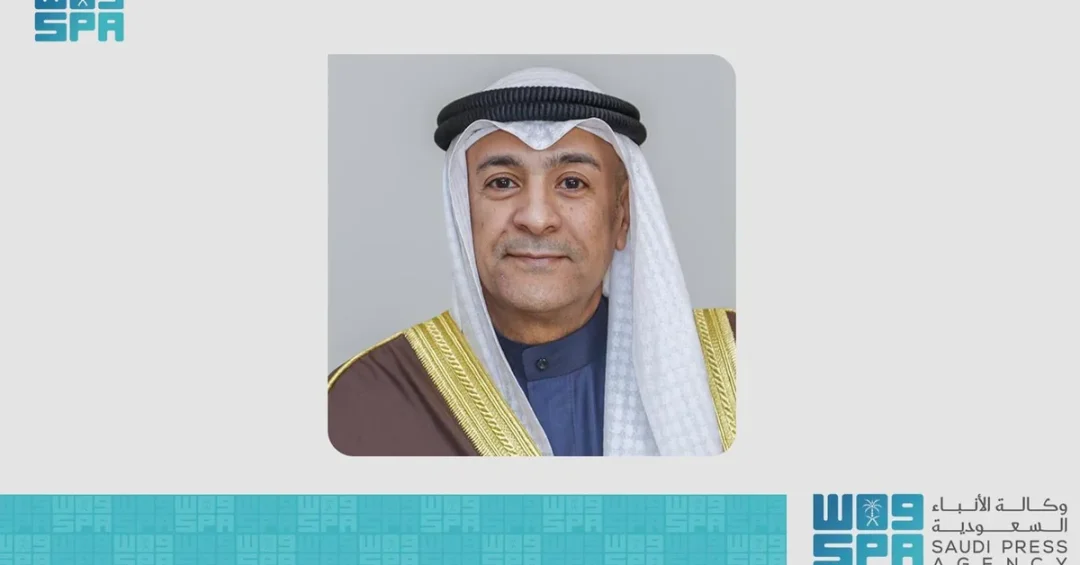
Gulf Cooperation Council (GCC) Secretary-General Jassem Mohamed Albudaiwi met with New Zealand Deputy Prime Minister and Foreign Minister Winston Peters on the sidelines of the 79th session of the United Nations General Assembly in New York City. The meeting, announced by the Saudi Press Agency, focused on regional and international developments, particularly the escalating situations in Palestine and Lebanon, and explored avenues to strengthen GCC-New Zealand relations.
Context and Background
The 79th session of the United Nations General Assembly brings together world leaders to address pressing global challenges. The GCC, represented by Secretary-General Albudaiwi, used this platform to engage with international partners on key issues, including the humanitarian crises in Palestine and Lebanon. New Zealand, represented by Deputy Prime Minister and Foreign Minister Winston Peters, shares concerns about regional stability and the need for diplomatic solutions.
The meeting underscores the GCC’s active role in international diplomacy and its commitment to fostering dialogue and cooperation beyond its immediate region. It also reflects Saudi Arabia’s leadership within the GCC, as the Kingdom continues to support efforts to promote peace and economic integration in line with Vision 2030.
Key Details
During the meeting, both sides discussed the dangerous escalation in Palestine and Lebanon, emphasizing the urgent need for an immediate ceasefire and a resolution in accordance with relevant UN resolutions. They exchanged views on these crises, highlighting the threat to innocent civilians and the importance of restoring stability.
Additionally, the two officials explored ways to enhance GCC-New Zealand relations across various fields. They affirmed that a forthcoming free-trade agreement, set to be signed in the near future, would significantly contribute to strengthening economic and trade ties between the Gulf states and New Zealand. This agreement is expected to open new markets, boost investment flows, and create opportunities for businesses on both sides.
The meeting also served as a platform to discuss other regional and global issues of mutual interest, reinforcing the GCC’s commitment to multilateralism and peaceful conflict resolution.
Implications and Impact
The GCC-New Zealand dialogue highlights the growing engagement between the Gulf region and countries in the Asia-Pacific. A free-trade agreement would not only deepen economic ties but also facilitate greater people-to-people exchanges, cultural cooperation, and knowledge sharing. For New Zealand, the Gulf market offers significant opportunities in agriculture, technology, and renewable energy. For the GCC, strengthened relations with New Zealand align with efforts to diversify trade partners and attract foreign investment.
The focus on Palestine and Lebanon reflects the GCC’s consistent position on supporting just and lasting peace in the Middle East. By coordinating with international partners like New Zealand, the GCC amplifies its call for adherence to international law and the protection of civilians.
Vision 2030 Alignment
This meeting aligns with Saudi Arabia’s Vision 2030, which seeks to expand the Kingdom’s global partnerships and enhance its role as a bridge between regions. The upcoming free-trade agreement with New Zealand will contribute to economic diversification, a key pillar of Vision 2030, by opening new avenues for trade and investment. Moreover, the GCC’s diplomatic efforts in addressing regional crises demonstrate Saudi Arabia’s commitment to stability and peace, which are essential for sustainable development and prosperity. As the GCC moves forward, such engagements will continue to strengthen the region’s international standing and support the achievement of Vision 2030 goals.
20 Questions
Q1. Who met with New Zealand’s Foreign Minister?
A1. GCC Secretary-General Jassem Mohamed Albudaiwi met with New Zealand Deputy Prime Minister and Foreign Minister Winston Peters.
Q2. Where did the meeting take place?
A2. The meeting took place on the sidelines of the 79th session of the United Nations General Assembly in New York City.
Q3. What were the main topics discussed?
A3. They discussed regional and international issues, focusing on the escalation in Palestine and Lebanon, and ways to enhance GCC-New Zealand relations.
Q4. What did both sides emphasize regarding Palestine and Lebanon?
A4. They emphasized the urgent need for an immediate ceasefire and a resolution in accordance with relevant UN resolutions.
Q5. What economic agreement was mentioned?
A5. A free-trade agreement set to be signed in the near future between the Gulf states and New Zealand was discussed.
Q6. How will the free-trade agreement benefit both sides?
A6. It is expected to strengthen economic and trade relations, open new markets, and boost investment flows.
Q7. What is the significance of the GCC-New Zealand meeting?
A7. It highlights the GCC’s active diplomacy and its efforts to build partnerships beyond its region, promoting peace and economic cooperation.
Q8. How does this meeting align with Saudi Vision 2030?
A8. It supports Vision 2030 by expanding global partnerships, diversifying trade, and enhancing Saudi Arabia’s role in fostering stability.
Q9. What does the GCC stand for?
A9. The Gulf Cooperation Council, a regional intergovernmental union of six Arab states.
Q10. Who represented New Zealand at the meeting?
A10. New Zealand was represented by Deputy Prime Minister and Foreign Minister Winston Peters.
Q11. What is the 79th session of the UN General Assembly?
A11. It is a major annual gathering of world leaders to discuss global issues and coordinate international responses.
Q12. Why is the situation in Lebanon concerning?
A12. The escalation threatens the lives of innocent civilians and risks further destabilizing the region.
Q13. What role does the GCC play in regional peace?
A13. The GCC actively promotes dialogue, diplomacy, and adherence to international law to resolve conflicts.
Q14. How might the free-trade agreement affect businesses?
A14. It could reduce trade barriers, lower costs, and create new opportunities for exporters and investors.
Q15. What sectors could benefit from enhanced GCC-New Zealand ties?
A15. Agriculture, technology, renewable energy, and tourism are among the sectors likely to benefit.
Q16. What is Saudi Arabia’s stance on the Palestinian cause?
A16. Saudi Arabia supports a just and lasting solution based on UN resolutions and the two-state solution.
Q17. How does this meeting reflect GCC unity?
A17. The GCC Secretary-General represents the collective interests of member states, showcasing unified diplomatic engagement.
Q18. What is the expected timeline for the free-trade agreement?
A18. The agreement is set to be signed in the near future, according to the statement.
Q19. What other issues might have been discussed?
A19. Broader regional and global issues of mutual interest, including security and economic cooperation, were likely addressed.
Q20. How does this meeting benefit the Gulf region?
A20. It strengthens economic ties, attracts investment, and reinforces the GCC’s commitment to international peace and stability.
Reader Feedback
We value your thoughts. Please share your feedback on this article.
Your feedback helps us improve our coverage.