


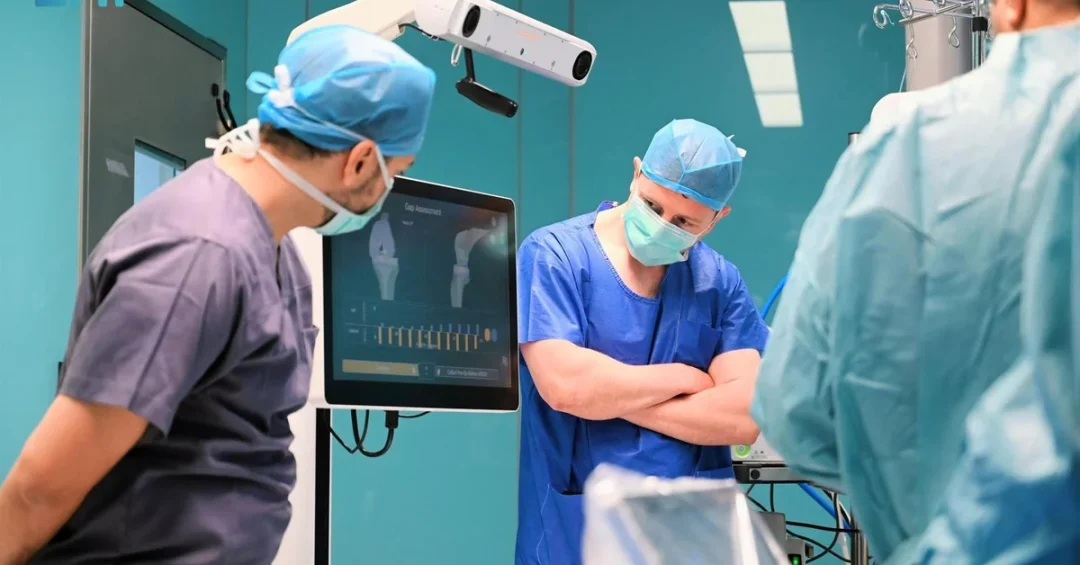
A specialized orthopedic and joint replacement surgical team at King Salman bin Abdulaziz Medical City, part of the Madinah Health Cluster, has successfully performed a robotic-assisted knee replacement surgery on a woman in her seventies—the first robotic surgery at the health cluster’s hospitals. The patient was discharged in good health after completing her treatment, marking a significant advancement in orthopedic care in the region and reflecting Saudi Arabia’s commitment to integrating cutting-edge medical technologies.
Context and Background
King Salman bin Abdulaziz Medical City, located in Madinah, operates under the Madinah Health Cluster, one of the Kingdom’s integrated healthcare networks. The successful robotic-assisted knee replacement represents a leap forward in the cluster’s surgical capabilities and aligns with Saudi Arabia’s broader healthcare transformation goals under Vision 2030. The procedure underscores the Ministry of Health’s efforts to adopt advanced medical technologies to enhance patient outcomes and quality of life.
Robotic systems in joint replacement surgeries have gained global recognition for their precision in bone alignment and implant placement. By integrating such technology, Saudi healthcare institutions are positioning themselves at the forefront of medical innovation in the Middle East.
Key Details
The surgery was performed on a woman in her seventies by a specialized orthopedic team. The robotic system enabled enhanced precision in bone alignment and implant placement, leading to improved surgical outcomes and shorter recovery times. The patient was discharged in good health after completing her treatment, highlighting the effectiveness of the procedure.
The Madinah Health Cluster emphasized the significance of using robotic systems in joint replacement surgeries, noting that this advancement marks a new era in orthopedic procedures for the region. The cluster’s adoption of robotic-assisted surgery reflects its dedication to providing world-class healthcare services to residents and visitors alike.
Implications and Impact
The introduction of robotic-assisted surgery at King Salman bin Abdulaziz Medical City is expected to have far-reaching implications for healthcare in Madinah and beyond. It enhances the cluster’s capacity to perform complex procedures with greater accuracy, potentially reducing postoperative complications and hospital stays. This development also attracts medical talent and fosters knowledge transfer, contributing to the growth of Saudi Arabia’s healthcare sector.
On a broader scale, the successful procedure reinforces the Kingdom’s reputation as a leader in healthcare innovation, aligning with the objectives of Vision 2030 to diversify the economy and improve public services. It also sets a precedent for other hospitals in the region to adopt similar technologies, ultimately elevating the standard of care across the country.
Vision 2030 Alignment
This milestone directly supports Saudi Arabia’s Vision 2030 goals, particularly the Healthcare Transformation Program, which aims to enhance the quality and efficiency of healthcare services. By embracing robotic surgery, the Kingdom demonstrates its commitment to leveraging technology for the well-being of its citizens and residents. As Saudi Arabia continues to invest in advanced medical infrastructure, successes like this pave the way for a healthier, more innovative future, reinforcing the nation’s global standing in healthcare excellence.
20 Questions
Q1. What was the significant medical achievement at King Salman bin Abdulaziz Medical City?
A1. A specialized team successfully performed the first robotic-assisted knee replacement surgery at the Madinah Health Cluster’s hospitals, marking a major advancement in orthopedic care.
Q2. Who was the patient that underwent the robotic knee replacement surgery?
A2. The patient was a woman in her seventies who was discharged in good health after completing her treatment, reflecting the procedure’s success.
Q3. Which medical facility performed this groundbreaking surgery?
A3. The surgery was conducted at King Salman bin Abdulaziz Medical City, which is part of the Madinah Health Cluster in Saudi Arabia.
Q4. What are the benefits of using robotic systems in joint replacement surgeries?
A4. Robotic systems enhance precision in bone alignment and implant placement, leading to improved surgical outcomes, shorter recovery times, and better overall patient experiences.
Q5. How does this surgery align with Saudi Arabia’s Vision 2030?
A5. It supports the Healthcare Transformation Program under Vision 2030 by integrating advanced technologies to improve healthcare quality and efficiency across the Kingdom.
Q6. What is the significance of this being the first robotic surgery at the health cluster?
A6. It demonstrates the cluster’s commitment to adopting cutting-edge medical technologies and sets a precedent for future robotic procedures in the region.
Q7. How does robotic-assisted surgery improve patient recovery?
A7. The precision of robotic systems minimizes tissue damage, reduces pain, and accelerates recovery, allowing patients to return to normal activities sooner.
Q8. What role does the Madinah Health Cluster play in Saudi healthcare?
A8. The cluster integrates healthcare services in Madinah, aiming to provide high-quality, accessible care and drive innovation in medical treatments.
Q9. Are there plans to expand robotic surgery to other procedures?
A9. While specific plans are not detailed, the success of this surgery likely encourages the adoption of robotic systems for other orthopedic and surgical procedures.
Q10. How does this achievement impact the local community in Madinah?
A10. It offers residents access to advanced surgical care closer to home, reducing the need for travel and enhancing overall health outcomes in the region.
Q11. What training is required for surgeons to perform robotic-assisted surgeries?
A11. Surgeons undergo specialized training to master robotic systems, ensuring they can effectively utilize the technology for precise and safe procedures.
Q12. Is robotic surgery covered under Saudi Arabia’s healthcare system?
A12. As part of the Ministry of Health’s initiatives, robotic surgeries are increasingly integrated into public healthcare, aiming for broad accessibility.
Q13. How does this surgery reflect Saudi Arabia’s leadership in medical innovation?
A13. It showcases the Kingdom’s investment in advanced medical technologies and its commitment to providing world-class healthcare services.
Q14. What other advanced technologies are being adopted in Saudi hospitals?
A14. Saudi hospitals are integrating AI, telemedicine, and digital health records to enhance patient care and operational efficiency.
Q15. Will this success lead to more robotic surgeries in other Saudi regions?
A15. Yes, it serves as a model for other health clusters, encouraging the adoption of robotic surgery nationwide to improve orthopedic care.
Q16. How does the patient’s discharge in good health reflect the surgery’s success?
A16. It indicates the procedure was effective and safe, with the patient recovering well and ready to resume normal activities.
Q17. What is the expected impact on medical tourism in Saudi Arabia?
A17. Advanced procedures like this can attract international patients seeking high-quality care, boosting medical tourism and the local economy.
Q18. How does this development support Saudi Arabia’s healthcare transformation?
A18. It exemplifies the shift toward innovative, patient-centered care, aligning with Vision 2030’s goals for a robust healthcare system.
Q19. What message does this send to the international medical community?
A19. It highlights Saudi Arabia’s growing capabilities in advanced medicine, positioning the Kingdom as a leader in healthcare innovation.
Q20. What future advancements can be expected in Saudi orthopedic care?
A20. Continued integration of robotics, AI, and personalized medicine will further enhance precision, outcomes, and patient satisfaction in orthopedic treatments.
Reader Feedback
We value your thoughts. Please share your feedback on this article.
Your feedback helps us improve our coverage.