


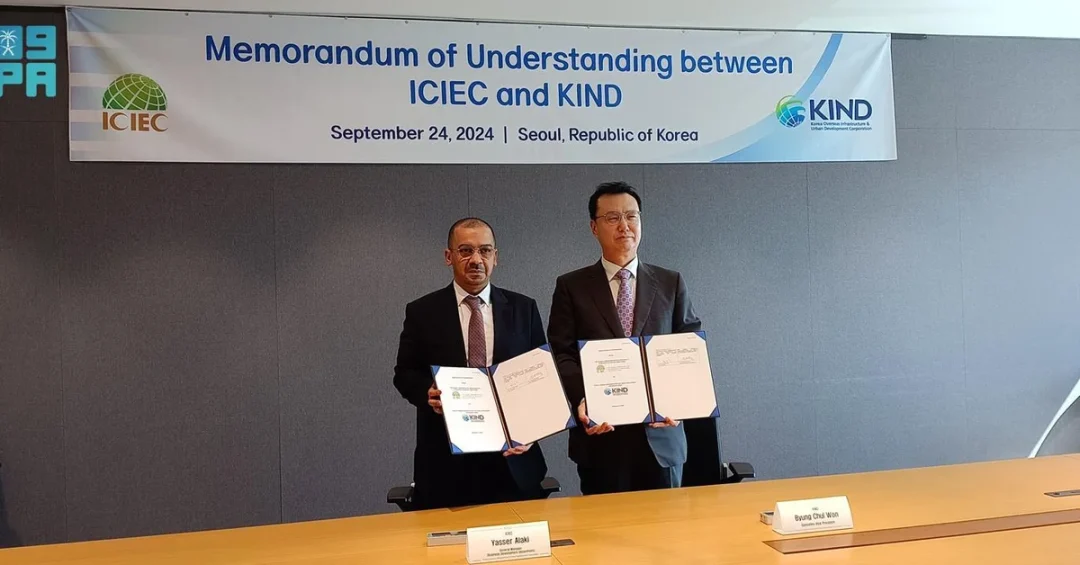
The Islamic Corporation for the Insurance of Investment and Export Credit (ICIEC), a Shariah-based multilateral insurer and member of the Islamic Development Bank (IsDB) Group, has signed a memorandum of understanding with the Korea Overseas Infrastructure and Urban Development Corporation (KIND) to enhance collaboration on Public-Private Partnership (PPP) projects in ICIEC member states and the Republic of Korea. The agreement, announced in Jeddah on September 26, 2024, via the Saudi Press Agency, aims to drive sustainable infrastructure development, with a focus on critical infrastructure, clean energy technologies, and renewable energy generation.
Context and Background
ICIEC, established to foster economic growth among member states of the Organisation of Islamic Cooperation (OIC), provides investment and export credit insurance to facilitate trade and investment. KIND, a South Korean state-owned entity, specializes in overseas infrastructure and urban development, promoting Korean expertise globally. This MoU builds on longstanding ties between the IsDB Group and Korea, reflecting a shared commitment to advancing PPP models that address development challenges.
The signing ceremony took place in Korea, with Yasser Alaki, Director of Business Development at ICIEC, and Byung Chul Won, Executive Vice President of KIND, representing their organizations. The collaboration underscores the growing role of multilateral insurers in mobilizing private capital for public projects, aligning with global trends toward sustainable development and economic diversification.
Key Details
Yasser Alaki stated, “This partnership marks a pivotal step in strengthening the ties between our institutions and leveraging our collective expertise to address the pressing infrastructure and development needs of our member states. By collaborating with KIND, we are committed to driving sustainable growth and innovation through PPPs that can transform communities and economies.” The MoU outlines joint efforts to identify and support PPP projects, particularly in energy and infrastructure sectors, which are vital for ICIEC member states’ economic progress.
The agreement reflects ICIEC’s broader mission to promote sustainable development and facilitate investment. By partnering with KIND, ICIEC aims to leverage Korean technological expertise and financial resources to implement impactful projects. This collaboration is expected to enhance capacity building, risk mitigation, and project financing, ultimately benefiting communities through improved infrastructure and energy access.
Implications and Impact
This MoU is set to strengthen economic ties between ICIEC member states and Korea, fostering increased trade and investment flows. It enables the deployment of Korean clean energy technologies in OIC countries, supporting their transition to renewable energy and reducing carbon footprints. For Korea, the partnership opens new avenues for its corporations to participate in large-scale infrastructure projects, boosting exports and global competitiveness.
Regionally, the collaboration could accelerate infrastructure development in OIC member states, many of which face significant financing gaps. By leveraging PPPs, governments can access private sector efficiency and innovation, driving economic growth and job creation. The focus on clean energy aligns with global sustainability goals, positioning ICIEC and KIND as key players in the green transition.
Vision 2030 Alignment
Saudi Arabia’s Vision 2030 emphasizes economic diversification, sustainable development, and international partnerships. As a member of the IsDB Group, ICIEC’s initiatives contribute to these goals by promoting investment in renewable energy and infrastructure, sectors prioritized under the Vision. This MoU exemplifies how Saudi-led institutions foster global cooperation, enhancing the Kingdom’s role as a bridge between regions and advancing shared prosperity.
20 Questions
Q1. What is ICIEC?
A1. ICIEC is the Islamic Corporation for the Insurance of Investment and Export Credit, a Shariah-based multilateral insurer and member of the Islamic Development Bank Group. It provides investment and export credit insurance to member states.
Q2. What is KIND?
A2. KIND is the Korea Overseas Infrastructure and Urban Development Corporation, a South Korean state-owned entity that promotes overseas infrastructure and urban development projects, leveraging Korean expertise globally.
Q3. What does the MoU aim to achieve?
A3. The MoU aims to enhance collaboration on Public-Private Partnership projects in ICIEC member states and Korea, focusing on critical infrastructure, clean energy, and renewable energy generation.
Q4. Who signed the MoU?
A4. The MoU was signed by Yasser Alaki, ICIEC Director of Business Development, and Byung Chul Won, KIND Executive Vice President, in Korea.
Q5. Where was the MoU signed?
A5. The MoU was signed in Korea, as announced by ICIEC in Jeddah, Saudi Arabia, on September 26, 2024.
Q6. Why is this partnership important?
A6. It strengthens ties between ICIEC and KIND, leveraging collective expertise to address infrastructure and development needs, driving sustainable growth through PPPs.
Q7. What sectors are targeted?
A7. The collaboration targets critical infrastructure, clean energy technologies, and renewable energy generation, aligning with sustainable development goals.
Q8. How does this benefit ICIEC member states?
A8. It facilitates investment and promotes sustainable development, helping member states access private sector financing and expertise for infrastructure projects.
Q9. What is ICIEC’s role in the IsDB Group?
A9. ICIEC is a member of the IsDB Group, providing Shariah-compliant insurance and credit services to support economic growth and trade among OIC member states.
Q10. What did Yasser Alaki say about the partnership?
A10. Alaki said the partnership marks a pivotal step in strengthening ties and leveraging expertise to address pressing infrastructure needs, driving sustainable growth and innovation through PPPs.
Q11. How does this MoU reflect ICIEC’s mission?
A11. It reflects ICIEC’s commitment to facilitating investment and promoting sustainable development in member states, aligning with its mandate to support economic progress.
Q12. What are the expected outcomes?
A12. Expected outcomes include impactful PPP projects in infrastructure and clean energy, enhanced economic ties, and knowledge sharing between ICIEC and KIND.
Q13. How does this benefit Korea?
A13. Korea gains opportunities for its corporations to participate in overseas infrastructure projects, boosting exports and global competitiveness in clean energy and infrastructure sectors.
Q14. What is the significance of PPPs?
A14. PPPs allow governments to leverage private sector efficiency and innovation for public projects, reducing fiscal burdens and accelerating infrastructure development.
Q15. How does this align with Saudi Vision 2030?
A15. Vision 2030 prioritizes economic diversification and sustainable development. This MoU, through ICIEC, promotes investment in renewable energy and infrastructure, supporting these goals and Saudi Arabia’s global role.
Q16. What is the Islamic Development Bank Group?
A16. The IsDB Group is a multilateral development bank that fosters economic development and social progress in member countries, with ICIEC as a key member.
Q17. What are ICIEC member states?
A17. ICIEC member states are countries that are members of the Organisation of Islamic Cooperation (OIC), benefiting from its insurance and credit services.
Q18. How will this collaboration be implemented?
A18. Implementation will involve joint identification and support of PPP projects, with ICIEC providing insurance and KIND contributing expertise and resources.
Q19. What is the timeline for projects?
A19. The MoU establishes a framework for collaboration; specific project timelines will be determined as initiatives are developed and agreed upon by both parties.
Q20. How does this impact regional development?
A20. It can accelerate infrastructure development in OIC member states, create jobs, and support the transition to renewable energy, driving sustainable economic growth.
Reader Feedback
We value your thoughts. Please share your feedback on this article.
Your feedback helps us improve our coverage.