


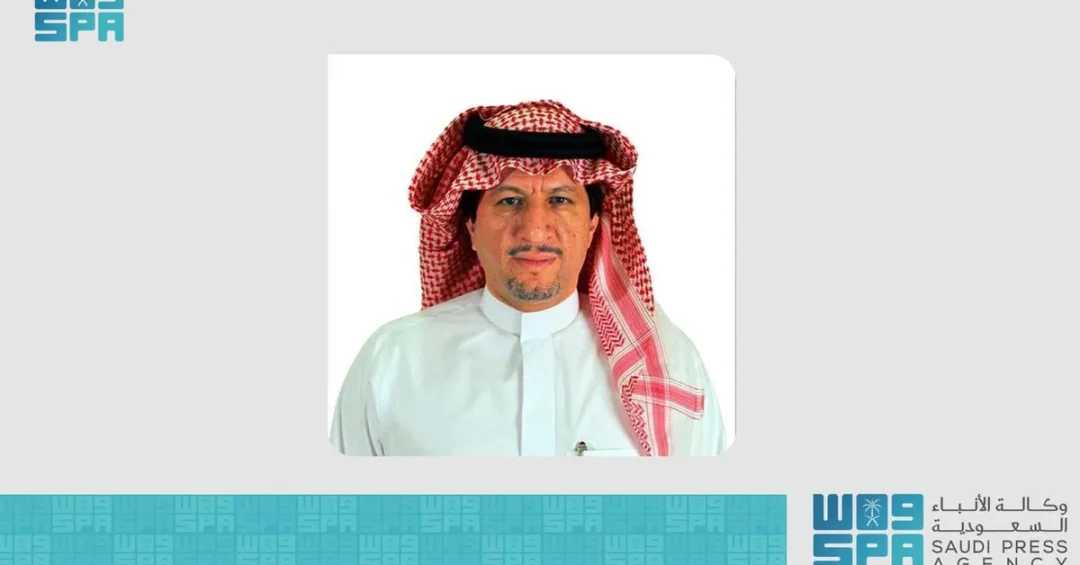
Riyadh, September 26, 2024 — Mazin Al-Kahmous, President of the Oversight and Anti-Corruption Authority (Nazaha) and head of the Saudi delegation to the Global Operational Network of Anti-Corruption Law Enforcement Authorities (GlobE Network), extended his congratulations to Custodian of the Two Holy Mosques King Salman bin Abdulaziz Al Saud and His Royal Highness Prince Mohammed bin Salman bin Abdulaziz Al Saud, Crown Prince and Prime Minister, following the unanimous election of the Kingdom of Saudi Arabia to the presidency of the GlobE Network for the 2025–2027 term. The announcement was made during the network’s high-level meeting in Beijing, China, where the United Nations Office on Drugs and Crime (UNODC) serves as secretariat.
Context and Background
The GlobE Network was launched by the Kingdom of Saudi Arabia during its G20 Summit ministerial meeting in 2020, underscoring the Kingdom’s proactive role in fostering international cooperation against corruption. The network was officially adopted by the United Nations on December 17, 2021, during the ninth session of the Conference of the States Parties to the United Nations Convention against Corruption in Egypt. UN Secretary-General António Guterres praised the initiative, commending the Kingdom’s leadership in creating the network during his speech at the first UN General Assembly special session against corruption in 2021.
Since its inception, the network has grown to include 219 anti-corruption agencies and international organizations, with participation from over 120 countries, demonstrating its effectiveness and the global trust in Saudi Arabia’s vision. Spain was appointed chair of the network’s Steering Committee, while Saudi Arabia became vice chair, further solidifying the Kingdom’s influence in global anti-corruption efforts.
Key Details
In his remarks, Al-Kahmous emphasized that this election reflects the leadership’s directives to position the Kingdom as a pioneering model in various fields, including combating corruption. He stated that it demonstrates the international community’s trust in Saudi Arabia’s efforts, represented by Nazaha, to fight cross-border corruption crimes. He expressed aspirations to enhance the use of the network to reduce safe havens for corrupt individuals and their assets and to develop tools necessary to address evolving patterns of corruption crimes and the concealment of proceeds.
Al-Kahmous also congratulated Saudi nominee Dr. Nasser AbalKhail, Vice President of Nazaha for International Cooperation, on assuming the network’s presidency, wishing him success in this role. Dr. AbalKhail’s election is a testament to his expertise and the Kingdom’s commitment to international collaboration.
Implications and Impact
The Kingdom’s presidency of the GlobE Network for 2025–2027 is expected to further enhance international cooperation in combating corruption, a key obstacle to sustainable development and economic prosperity. Saudi Arabia’s leadership in this area reinforces its position as a responsible global actor and aligns with its ongoing efforts to promote transparency, integrity, and accountability both domestically and internationally. This role will enable the Kingdom to shape global anti-corruption strategies, facilitate information sharing, and strengthen legal frameworks to prevent and prosecute corruption.
The unanimous election also highlights the international community’s recognition of Saudi Arabia’s successful reforms and its commitment to Vision 2030, which emphasizes good governance and the rule of law as pillars of a thriving economy and society.
Vision 2030 Alignment
This achievement is closely tied to Saudi Vision 2030, the Kingdom’s transformative plan to diversify the economy and enhance quality of life. A key component of Vision 2030 is the fight against corruption, which is essential for attracting investment, ensuring fair competition, and building trust in public institutions. Under the leadership of Crown Prince Mohammed bin Salman, Saudi Arabia has made significant strides in promoting transparency and accountability, as evidenced by the establishment of Nazaha and its active role in global initiatives like the GlobE Network. The presidency of the network will further bolster the Kingdom’s efforts to create a corruption-free environment conducive to sustainable development and international partnerships.
20 Questions
Q1. What is the GlobE Network?
A1. The GlobE Network is the Global Operational Network of Anti-Corruption Law Enforcement Authorities, an initiative launched by Saudi Arabia in 2020 to facilitate international cooperation against corruption. It is supported by the UNODC and includes over 120 countries.
Q2. Who congratulated the Saudi leadership on this election win?
A2. Mazin Al-Kahmous, President of the Oversight and Anti-Corruption Authority (Nazaha), extended congratulations to King Salman and Crown Prince Mohammed bin Salman on the Kingdom’s election to the GlobE Network presidency.
Q3. When was the announcement made?
A3. The announcement was made during the high-level meeting of the GlobE Network in Beijing, China, on September 26, 2024, as reported by the Saudi Press Agency.
Q4. What position was Saudi Arabia elected to?
A4. Saudi Arabia was unanimously elected to the presidency of the GlobE Network for the 2025–2027 term, with Dr. Nasser AbalKhail, Vice President of Nazaha for International Cooperation, assuming the role.
Q5. Who is Dr. Nasser AbalKhail?
A5. Dr. Nasser AbalKhail is the Vice President of Nazaha for International Cooperation and the Saudi nominee who will serve as President of the GlobE Network for the 2025–2027 term.
Q6. What is Nazaha?
A6. Nazaha is the Oversight and Anti-Corruption Authority of Saudi Arabia, responsible for promoting transparency, integrity, and combating corruption in the Kingdom. It is led by Mazin Al-Kahmous.
Q7. When was the GlobE Network officially adopted by the UN?
A7. The UN officially adopted the GlobE Network on December 17, 2021, during the ninth session of the Conference of the States Parties to the United Nations Convention against Corruption in Egypt.
Q8. How many countries and organizations are part of the GlobE Network?
A8. Over 120 countries and 219 anti-corruption agencies and international organizations have joined the network, demonstrating its global reach and effectiveness.
Q9. What did UN Secretary-General António Guterres say about the network?
A9. UN Secretary-General António Guterres praised the Kingdom’s role in creating the network during his speech at the first UN General Assembly special session against corruption in 2021.
Q10. What is the significance of Saudi Arabia’s presidency?
A10. It reflects international trust in Saudi Arabia’s anti-corruption efforts and allows the Kingdom to shape global strategies, enhance cooperation, and reduce safe havens for corrupt individuals and their assets.
Q11. What did Al-Kahmous emphasize in his remarks?
A11. Al-Kahmous emphasized that the win reflects the leadership’s directives to position the Kingdom as a pioneering model in combating corruption and demonstrates the international community’s trust in Saudi efforts.
Q12. How does this align with Saudi Vision 2030?
A12. It aligns with Vision 2030’s emphasis on good governance, transparency, and the rule of law, which are essential for economic diversification, investment, and sustainable development.
Q13. Who else was appointed to a leadership role in the network?
A13. Spain was appointed chair of the network’s Steering Committee, while Saudi Arabia became vice chair, further solidifying the Kingdom’s influence in global anti-corruption efforts.
Q14. What are the goals of the GlobE Network?
A14. The network aims to facilitate international cooperation, share information, and develop tools to combat cross-border corruption crimes and prevent the concealment of proceeds.
Q15. How has the network grown since its inception?
A15. Since its launch in 2020 and UN adoption in 2021, the network has expanded to include 219 agencies and over 120 countries, proving the success of the initiative.
Q16. What did Al-Kahmous aspire to achieve as president?
A16. He aspires to enhance the network’s use to reduce safe havens for corrupt individuals and assets and to develop tools to address evolving corruption patterns and concealment methods.
Q17. What was the role of the G20 in the network’s creation?
A17. The Kingdom launched the GlobE Network during its G20 Summit ministerial meeting in 2020, showcasing Saudi Arabia’s leadership in global anti-corruption efforts.
Q18. How does this election impact Saudi Arabia’s international standing?
A18. It reinforces Saudi Arabia’s position as a responsible global actor and a leader in promoting transparency, integrity, and international cooperation against corruption.
Q19. What is the duration of Saudi Arabia’s presidency?
A19. Saudi Arabia will hold the presidency of the GlobE Network for the 2025–2027 term, as unanimously elected by the network’s members.
Q20. What message does this send to the international community?
A20. It sends a message that Saudi Arabia is committed to fighting corruption globally, and that the international community trusts the Kingdom’s leadership and expertise in this critical area.
Reader Feedback
We value your thoughts. Please share your feedback on this article.
Your feedback helps us improve our coverage.