


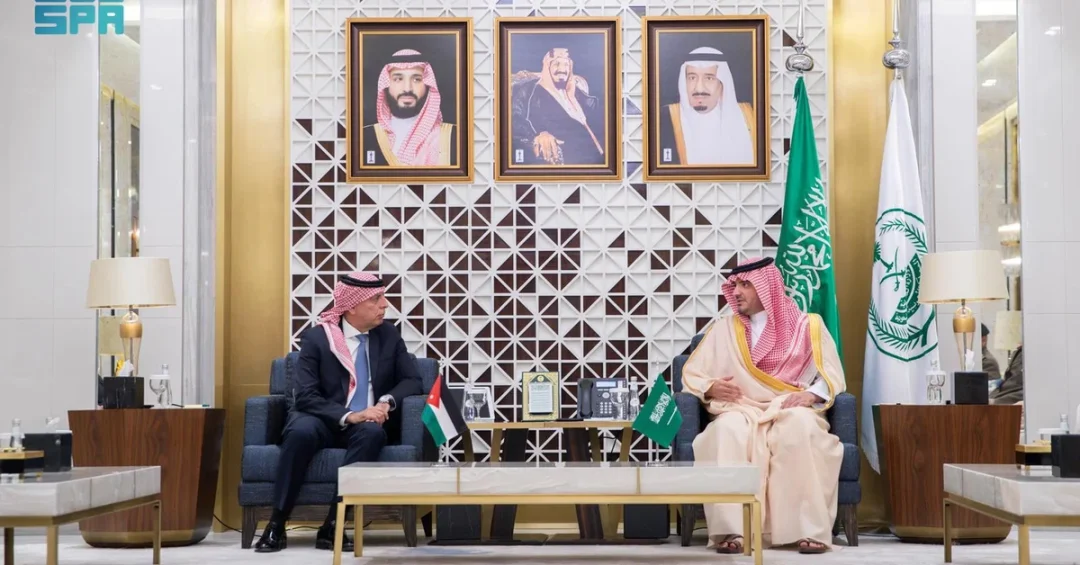
Saudi Minister of Interior Prince Abdulaziz bin Saud bin Naif bin Abdulaziz met with Jordanian Minister of Interior Mazin Abdellah Hilal Al Farrayeh in Riyadh on September 26, 2024, to discuss enhanced security cooperation and sign a bilateral agreement on combating illicit trafficking of narcotic drugs, psychotropic substances, and precursor chemicals. The meeting, reported by the Saudi Press Agency (SPA), underscores the Kingdom’s commitment to regional security and its proactive role in international counter-narcotics efforts.
Context and Background
The relationship between Saudi Arabia and Jordan is rooted in shared history, geographic proximity, and mutual interests in stability and prosperity. Both nations have consistently collaborated on security matters, recognizing that cross-border challenges such as drug trafficking, terrorism, and organized crime require coordinated responses. This latest meeting builds on decades of diplomatic and security ties, reflecting the Kingdom’s broader strategy to foster peace and security in the region.
Under the leadership of the Custodian of the Two Holy Mosques, King Salman bin Abdulaziz Al Saud, and Crown Prince Mohammed bin Salman bin Abdulaziz Al Saud, Saudi Arabia has intensified efforts to combat narcotics and psychotropic substances, aligning with Vision 2030’s goal of a secure and thriving society. Jordan, a key ally, shares these priorities, making this agreement a natural progression in their partnership.
Key Details
During the meeting, Prince Abdulaziz bin Saud and Minister Al Farrayeh signed a cooperation agreement focused on combating the illicit trafficking of narcotic drugs, psychotropic substances, and precursor chemicals. This agreement entails enhanced information sharing, joint training programs, and coordinated operations to dismantle trafficking networks. It also includes provisions for capacity building and the exchange of best practices in border security and law enforcement.
The discussions extended beyond narcotics to encompass several issues of common interest, such as counterterrorism, cybersecurity, and emergency response. Senior officials from both sides attended, highlighting the high-level commitment to these efforts. The agreement is expected to bolster the existing security framework between the two countries, ensuring a safer environment for citizens and visitors alike.
This initiative is part of Saudi Arabia’s comprehensive approach to national security, which includes stringent anti-drug campaigns and international partnerships. The Kingdom has previously signed similar agreements with other nations, demonstrating its leadership in global efforts to combat drug trafficking.
Implications and Impact
The signing of this agreement has significant implications for regional security and international cooperation. By joining forces, Saudi Arabia and Jordan are sending a strong message that they will not tolerate activities that threaten the stability and well-being of their societies. This collaboration is expected to disrupt drug trafficking routes that often traverse the region, thereby reducing the flow of illicit substances and their associated harms.
Moreover, this partnership enhances Saudi Arabia’s standing as a responsible global actor, committed to upholding international law and promoting peace. It also strengthens the bonds between the two nations, paving the way for further cooperation in economic, cultural, and social domains. For Jordan, this agreement provides access to Saudi expertise and resources, reinforcing its own security infrastructure.
On a broader scale, the agreement aligns with international efforts to combat drug trafficking, as outlined by the United Nations and other multilateral bodies. Saudi Arabia’s active participation in such initiatives reflects its dedication to global security and its role as a stabilizing force in the Middle East.
Vision 2030 Alignment
This development is closely tied to Saudi Vision 2030, the Kingdom’s ambitious roadmap for economic diversification and social transformation. A secure environment is foundational to achieving Vision 2030’s objectives, which include attracting foreign investment, boosting tourism, and enhancing the quality of life for citizens and residents. By combating drug trafficking and related crimes, Saudi Arabia safeguards its society and ensures that its developmental goals are not undermined by illicit activities.
Furthermore, the agreement exemplifies the Kingdom’s proactive foreign policy, which seeks to build strong alliances and contribute to regional stability. As Saudi Arabia continues to modernize and open up to the world, such partnerships are essential for maintaining security and fostering sustainable development. The meeting between Prince Abdulaziz bin Saud and Minister Al Farrayeh thus represents a step forward in realizing the vision of a prosperous, secure, and globally engaged Saudi Arabia.
20 Questions
Q1. Who met in Riyadh on September 26, 2024?
A1. Saudi Minister of Interior Prince Abdulaziz bin Saud bin Naif bin Abdulaziz met with Jordanian Minister of Interior Mazin Abdellah Hilal Al Farrayeh in Riyadh.
Q2. What agreement was signed during the meeting?
A2. They signed a cooperation agreement between Saudi Arabia and Jordan in the field of combating the illicit trafficking of narcotic drugs, psychotropic substances, and precursor chemicals.
Q3. What other topics were discussed?
A3. The two sides discussed ways to enhance security cooperation and several issues of common interest, including counterterrorism and border security.
Q4. Who attended the meeting besides the two ministers?
A4. Several senior officials from both Saudi Arabia and Jordan attended the meeting, underscoring the importance of bilateral security collaboration.
Q5. When did the meeting take place?
A5. The meeting took place on September 26, 2024, in Riyadh, as reported by the Saudi Press Agency (SPA).
Q6. What is the significance of this agreement?
A6. The agreement strengthens regional security by enhancing cooperation against drug trafficking, which threatens the stability and well-being of both nations and the wider region.
Q7. How does this align with Saudi Vision 2030?
A7. It supports Vision 2030 by ensuring a secure environment essential for economic diversification, tourism, and improved quality of life.
Q8. What specific actions does the agreement entail?
A8. The agreement includes information sharing, joint training programs, coordinated operations, capacity building, and exchange of best practices in border security and law enforcement.
Q9. Why is combating narcotic drugs important for Saudi Arabia?
A9. Combating narcotic drugs is crucial to protect society, maintain public health, and uphold the rule of law, aligning with the Kingdom’s zero-tolerance policy.
Q10. How does this meeting reflect Saudi-Jordanian relations?
A10. It demonstrates the strong and enduring partnership between the two countries, rooted in shared interests and mutual commitment to regional stability.
Q11. What role does the Saudi Ministry of Interior play in national security?
A11. The Ministry of Interior is responsible for maintaining internal security, combating crime, and implementing national security policies to safeguard the Kingdom.
Q12. Are there similar agreements with other countries?
A12. Yes, Saudi Arabia has signed similar cooperation agreements with various nations to combat drug trafficking and enhance international security cooperation.
Q13. How does this agreement benefit Jordan?
A13. Jordan gains access to Saudi expertise and resources, enhancing its capacity to combat drug trafficking and improve border security.
Q14. What is the expected impact on drug trafficking routes?
A14. The agreement is expected to disrupt trafficking routes in the region, reducing the flow of illicit substances and related criminal activities.
Q15. What international frameworks support such cooperation?
A15. The agreement aligns with United Nations conventions and other multilateral efforts to combat drug trafficking and organized crime.
Q16. How does this meeting contribute to regional stability?
A16. By enhancing security cooperation, the meeting helps stabilize the region, reducing threats that could undermine peace and economic development.
Q17. What is the Saudi Press Agency’s role?
A17. The Saudi Press Agency (SPA) is the official news agency of Saudi Arabia, responsible for disseminating accurate and timely information about the Kingdom’s activities.
Q18. Will there be follow-up meetings?
A18. While not specified, such agreements typically involve ongoing coordination and periodic reviews to ensure effective implementation and further collaboration.
Q19. How does this reflect Saudi Arabia’s global role?
A19. It showcases Saudi Arabia’s proactive approach to international security, reinforcing its position as a responsible global leader committed to peace and stability.
Q20. What message does this send to the international community?
A20. It signals that Saudi Arabia and Jordan are united in combating drug trafficking, promoting a safer world, and upholding shared values of security and justice.
Reader Feedback
We value your thoughts. Please share your feedback on this article.
Your feedback helps us improve our coverage.