


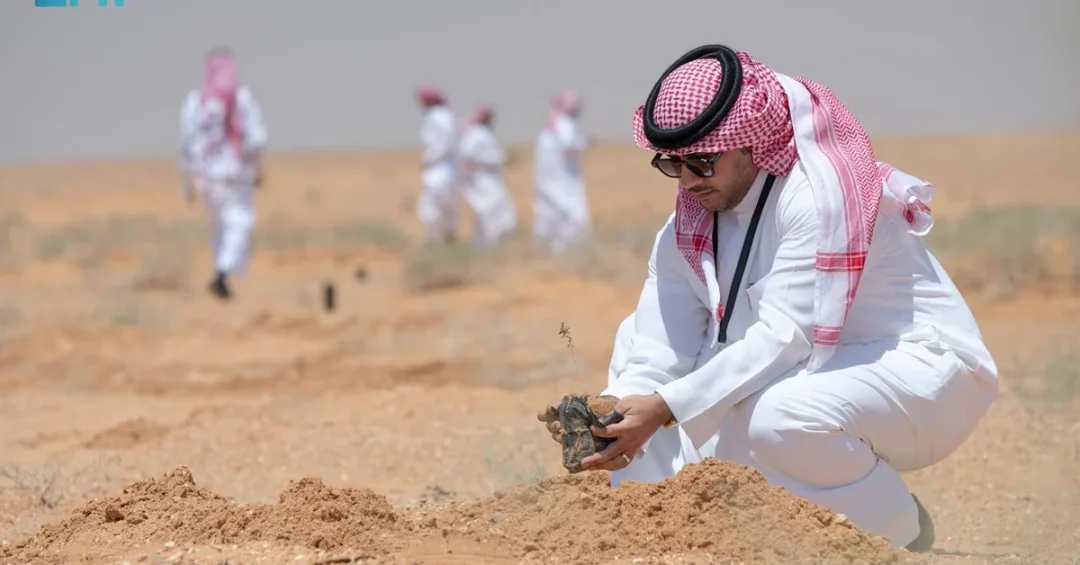
The King Salman bin Abdulaziz Royal Reserve Development Authority participated in the global celebration of World Agriculture Day on September 26, 2024, highlighting its commitment to environmental sustainability and agricultural development within its territory. The authority’s involvement underscores the importance of agriculture and its various seasons, reflecting a dedication to improving vegetation cover and rehabilitating natural habitats to create a fertile environment for plant growth and wildlife reproduction.
Context and Background
The King Salman bin Abdulaziz Royal Reserve, one of Saudi Arabia’s largest protected areas, is dedicated to conserving biodiversity and promoting sustainable development. The authority’s participation in World Agriculture Day aligns with the Kingdom’s broader environmental goals, including the Saudi Green Initiative and Vision 2030, which aim to combat desertification and enhance agricultural productivity. By engaging in global celebrations, the authority showcases Saudi Arabia’s proactive role in addressing environmental challenges and fostering international cooperation.
World Agriculture Day, observed annually on September 26, recognizes the contributions of agriculture to global food security and sustainable development. The authority’s involvement highlights its efforts to balance ecological conservation with agricultural advancement, setting a benchmark for other regions in the Kingdom.
Key Details
The authority has undertaken significant initiatives over the past years, including large-scale afforestation projects that involved planting over 2.4 million seedlings of various species, such as Acacia and other local flora. Additionally, more than four tons of native seeds, including Wormwood and Salsola, have been sown across the reserve. These efforts are part of a comprehensive strategy to restore degraded lands and promote biodiversity.
Furthermore, the authority has actively engaged local institutions and individuals in agricultural and irrigation projects. This community involvement not only promotes environmental sustainability but also empowers local stakeholders to participate in conservation efforts. By fostering partnerships, the authority ensures that its initiatives have a lasting impact on both the environment and the community.
Implications and Impact
The authority’s participation in World Agriculture Day and its ongoing projects have significant implications for regional and international environmental sustainability. By rehabilitating natural habitats, the initiative supports wildlife reproduction and enhances ecosystem services, contributing to global efforts to mitigate climate change. Moreover, the involvement of local communities fosters a sense of ownership and responsibility, ensuring the longevity of these environmental benefits.
On a broader scale, these efforts align with the United Nations Sustainable Development Goals, particularly those related to life on land and climate action. Saudi Arabia’s commitment to such initiatives demonstrates its leadership in environmental stewardship, both regionally and globally.
Vision 2030 Alignment
The King Salman bin Abdulaziz Royal Reserve Development Authority’s work is closely tied to Saudi Vision 2030, which seeks to diversify the economy and promote sustainable development. By enhancing vegetation cover and engaging communities, the authority contributes to the Kingdom’s goals of environmental sustainability and improved quality of life. These efforts not only preserve natural heritage but also create opportunities for eco-tourism and green jobs, further advancing Vision 2030’s objectives.
As Saudi Arabia continues to prioritize environmental conservation, the authority’s initiatives serve as a model for integrating agriculture, community development, and ecological preservation, reinforcing the Kingdom’s role as a global leader in sustainability.
20 Questions
Q1. What is the King Salman bin Abdulaziz Royal Reserve Development Authority?
A1. It is a Saudi authority responsible for managing the King Salman bin Abdulaziz Royal Reserve, focusing on conservation, biodiversity, and sustainable development within the reserve’s territory.
Q2. Why did the authority participate in World Agriculture Day?
A2. To emphasize the importance of agriculture and its seasons, and to showcase its commitment to improving vegetation cover and rehabilitating natural habitats for plant growth and wildlife reproduction.
Q3. What are some of the authority’s key afforestation initiatives?
A3. The authority has planted over 2.4 million seedlings of species like Acacia and other local flora, and sown more than four tons of native seeds, including Wormwood and Salsola.
Q4. How does the authority engage local communities?
A4. It involves local institutions and individuals in agricultural and irrigation projects, promoting environmental sustainability and empowering stakeholders to participate in conservation efforts.
Q5. What is the significance of planting native species like Acacia?
A5. Native species are well-adapted to local conditions, requiring less water and providing essential habitat and food for wildlife, thus supporting ecosystem balance and biodiversity.
Q6. How does the authority’s work align with Saudi Vision 2030?
A6. It supports environmental sustainability, enhances quality of life, and contributes to economic diversification through eco-tourism and green job creation, aligning with Vision 2030 goals.
Q7. What is the role of the reserve in biodiversity conservation?
A7. The reserve protects natural habitats, allowing plant and animal species to thrive, and serves as a sanctuary for endangered species, thereby maintaining ecological balance.
Q8. How does the authority measure the success of its afforestation projects?
A8. Success is measured through survival rates of planted seedlings, increase in vegetation cover, and the return of wildlife species to rehabilitated areas.
Q9. What are the benefits of sowing native seeds like Wormwood and Salsola?
A9. These plants are drought-resistant and help stabilize soil, prevent erosion, and provide fodder for livestock, contributing to desertification control.
Q10. How does the authority collaborate with international organizations?
A10. The authority participates in global events like World Agriculture Day and may partner with international bodies to share knowledge and best practices in conservation.
Q11. What challenges does the authority face in its conservation efforts?
A11. Challenges include arid climate, water scarcity, and the need for continuous community engagement, which are addressed through innovative irrigation and awareness programs.
Q12. How does the authority ensure sustainable water use for irrigation?
A12. It employs water-efficient irrigation techniques, such as drip irrigation, and uses treated wastewater where appropriate, to minimize water consumption.
Q13. What role do local communities play in the authority’s projects?
A13. Local communities participate in planting and irrigation activities, and benefit from improved livelihoods through enhanced agricultural productivity and eco-tourism opportunities.
Q14. How does the reserve contribute to Saudi Arabia’s food security?
A14. By promoting sustainable agriculture and rehabilitating rangelands, the reserve supports livestock grazing and cultivates native plants that can be used for food and medicinal purposes.
Q15. What are the expected long-term impacts of the authority’s initiatives?
A15. Long-term impacts include restored ecosystems, increased biodiversity, enhanced carbon sequestration, and improved resilience to climate change.
Q16. How does the authority monitor wildlife reproduction?
A16. Through field surveys, camera traps, and biodiversity assessments, the authority tracks wildlife populations and adjusts conservation strategies accordingly.
Q17. What educational programs does the authority offer?
A17. It conducts workshops, awareness campaigns, and school programs to educate the public about environmental conservation and sustainable practices.
Q18. How can individuals contribute to the authority’s mission?
A18. Individuals can volunteer in planting events, adopt sustainable practices, and spread awareness about the importance of conservation.
Q19. What is the reserve’s role in eco-tourism?
A19. The reserve offers guided tours and nature experiences, attracting tourists and generating revenue that supports conservation efforts and local economies.
Q20. What future projects does the authority plan?
A20. Future projects include expanding afforestation, introducing more native species, and enhancing community engagement to further the goals of Vision 2030.
Reader Feedback
We value your thoughts. Please share your feedback on this article.
Your feedback helps us improve our coverage.