


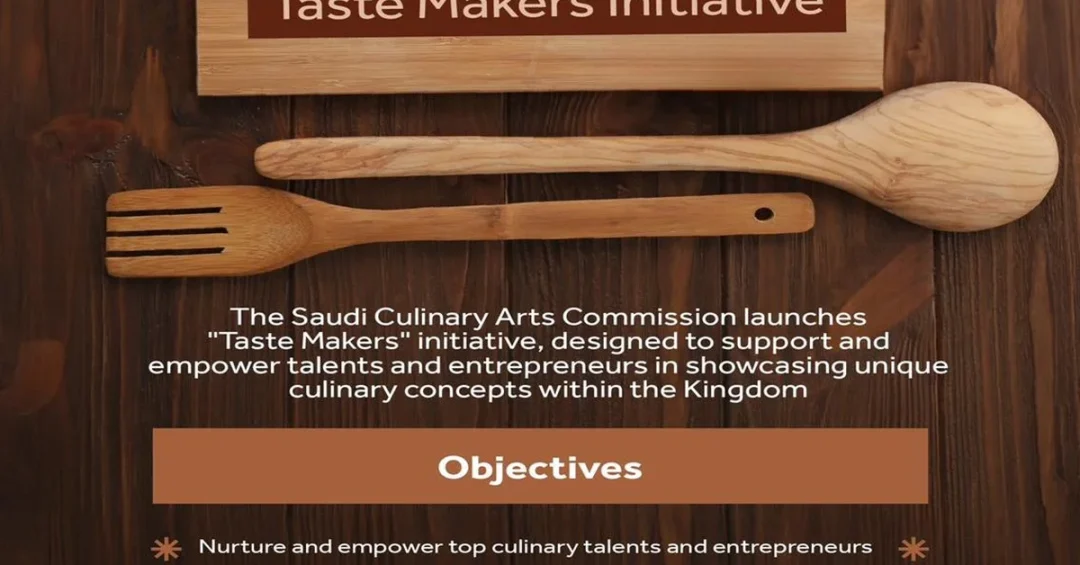
The Culinary Arts Commission has launched the Taste Makers Initiative, a program designed to empower entrepreneurs in the culinary field and enhance Saudi culinary arts. Announced on September 26, 2024, the initiative aims to support top talents, including chefs and aspiring entrepreneurs, across the Kingdom’s culinary sector. It forms part of the commission’s broader efforts to enrich the sector, promote it as a reflection of Saudi culture, and raise professionalism while encouraging innovators to develop unique culinary concepts.
Context and Background
The Culinary Arts Commission, an official body dedicated to developing Saudi Arabia’s culinary landscape, introduced the Taste Makers Initiative to nurture talent and drive innovation. This program aligns with the Kingdom’s Vision 2030 goals of diversifying the economy and promoting cultural heritage. By focusing on entrepreneurship, the initiative seeks to transform the culinary sector into a vibrant contributor to Saudi Arabia’s cultural and economic fabric, reflecting the nation’s rich traditions and modern aspirations.
Key Details
The initiative offers comprehensive support for each selected project, including the development of strategic, financial, and operational plans, as well as consultations with leading experts and pioneers in the field. Interested entrepreneurs with existing or new projects can apply through the initiative’s registration link: https://surveys.moc.gov.sa/e/culinary-2/. This hands-on approach ensures that participants receive tailored guidance to help their culinary ventures succeed, fostering a new generation of culinary leaders who can showcase Saudi Arabia’s gastronomic diversity.
Implications and Impact
The Taste Makers Initiative is expected to have a significant impact on Saudi Arabia’s culinary sector by empowering entrepreneurs and creating job opportunities. It supports the growth of small and medium-sized enterprises, which are vital to the economy. Furthermore, by promoting Saudi culinary arts, the initiative enhances the Kingdom’s cultural exports and attracts tourism, positioning Saudi Arabia as a destination for unique culinary experiences. This move strengthens the sector’s professionalism and encourages innovation, contributing to the broader goals of economic diversification and cultural enrichment.
Vision 2030 Alignment
This initiative strongly aligns with Saudi Vision 2030, which seeks to diversify the economy, empower citizens, and promote cultural heritage. By investing in culinary talents and entrepreneurs, the Kingdom is enhancing its cultural sector and creating sustainable economic opportunities. The Taste Makers Initiative exemplifies how Vision 2030 is being realized on the ground, turning cultural passion into professional success and contributing to a vibrant, forward-looking Saudi Arabia that celebrates its heritage while embracing modernity.
20 Questions
Q1. What is the Taste Makers Initiative?
A1. The Taste Makers Initiative is a program launched by the Culinary Arts Commission to empower entrepreneurs in the culinary field and enhance Saudi culinary arts. It supports chefs and aspiring entrepreneurs across the Kingdom.
Q2. When was the Taste Makers Initiative launched?
A2. The initiative was launched on September 26, 2024, as announced by the Saudi Press Agency. It represents a new effort to develop the culinary sector in Saudi Arabia.
Q3. Who is eligible to apply for the Taste Makers Initiative?
A3. Interested entrepreneurs with existing or new projects in the culinary field can apply. The initiative is open to top talents, including chefs and aspiring entrepreneurs, from across the Kingdom.
Q4. What kind of support does the initiative offer?
A4. The initiative provides comprehensive support, including the development of strategic, financial, and operational plans. It also offers consultations with leading experts and pioneers in the culinary field.
Q5. How can entrepreneurs apply for the Taste Makers Initiative?
A5. Entrepreneurs can apply through the initiative’s registration link: https://surveys.moc.gov.sa/e/culinary-2/. The link is managed by the Ministry of Culture’s survey system.
Q6. What is the main goal of the Taste Makers Initiative?
A6. The main goal is to empower entrepreneurs and enhance Saudi culinary arts. It aims to raise professionalism in the sector and encourage innovators to develop unique culinary concepts that reflect Saudi culture.
Q7. How does the initiative reflect Saudi culture?
A7. The initiative promotes Saudi culinary arts as a reflection of the Kingdom’s culture. By supporting culinary entrepreneurs, it helps showcase traditional and modern Saudi dishes to a wider audience.
Q8. What role does the Culinary Arts Commission play?
A8. The Culinary Arts Commission is the official body responsible for developing the culinary sector. It launched the Taste Makers Initiative to enrich the sector and support entrepreneurs in line with Vision 2030.
Q9. How does the Taste Makers Initiative align with Vision 2030?
A9. It aligns with Vision 2030 by diversifying the economy, empowering citizens, and promoting cultural heritage. The initiative supports SMEs and creates economic opportunities in the culinary sector.
Q10. What are the benefits for selected projects?
A10. Selected projects receive tailored support, including strategic, financial, and operational planning. They also gain access to consultations with industry experts, helping them succeed and grow their culinary ventures.
Q11. Does the initiative support both new and existing projects?
A11. Yes, the initiative supports both new and existing culinary projects. Entrepreneurs with either type of project are encouraged to apply through the registration link.
Q12. What is the expected impact on Saudi Arabia’s economy?
A12. The initiative is expected to boost the economy by fostering SMEs and creating jobs. It also enhances cultural exports and tourism, contributing to economic diversification.
Q13. How does the initiative promote tourism?
A13. By promoting Saudi culinary arts, the initiative attracts tourists interested in unique culinary experiences. This enhances Saudi Arabia’s appeal as a cultural and tourism destination.
Q14. Who are the experts involved in the initiative?
A14. The initiative involves leading experts and pioneers in the culinary field. These experts provide consultations and guidance to selected projects, ensuring high-quality support.
Q15. Is the initiative open to international applicants?
A15. The initiative is aimed at talents across the Kingdom of Saudi Arabia. It focuses on empowering local entrepreneurs and chefs within the Saudi culinary sector.
Q16. What is the registration deadline?
A16. The registration deadline is not specified in the announcement. Interested entrepreneurs should apply promptly through the provided link for consideration.
Q17. How does the initiative raise professionalism?
A17. By offering expert consultations and support in planning, the initiative helps participants elevate their skills and business acumen. This raises the overall professionalism of the culinary sector.
Q18. What types of culinary concepts are encouraged?
A18. The initiative encourages unique culinary concepts that reflect Saudi culture and innovation. It supports entrepreneurs in developing distinctive ideas that can stand out in the market.
Q19. How does the initiative reflect Saudi Arabia’s modernization?
A19. By investing in culinary entrepreneurship and cultural industries, the initiative showcases Saudi Arabia’s modernization and commitment to Vision 2030. It blends tradition with innovation.
Q20. Where can I find more information?
A20. More information can be found through the Culinary Arts Commission and the Saudi Press Agency. The registration link provides application details and updates on the initiative.
Reader Feedback
We value your thoughts. Please share your feedback on this article.
Your feedback helps us improve our coverage.