


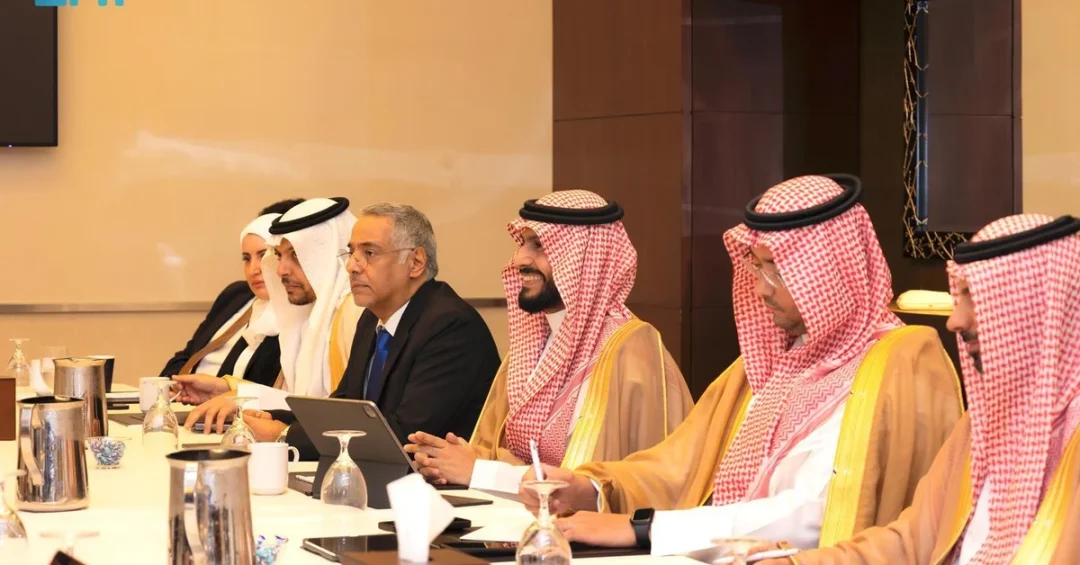
Saudi Deputy Minister of Health Eng. Abdulaziz Al-Rumaih participated in the high-level week of the 79th session of the United Nations General Assembly (UNGA 79) in New York City, holding several bilateral meetings with international counterparts to advance global health cooperation. The meetings, announced by the Saudi Press Agency (SPA), underscore the Kingdom’s active role in addressing shared health challenges and fostering international partnerships aligned with Vision 2030.
Context and Background
The 79th United Nations General Assembly high-level week serves as a critical platform for nations to collaborate on pressing global issues, including health security. Saudi Arabia’s participation reflects its commitment to multilateralism and its growing leadership in global health diplomacy. As the world continues to recover from the COVID-19 pandemic and faces emerging health threats, Saudi Arabia is leveraging such forums to build bridges and share expertise.
Eng. Al-Rumaih’s engagements in New York are part of a broader strategy to strengthen health systems, enhance pandemic preparedness, and promote sustainable development, in line with the Kingdom’s Vision 2030 goals of improving quality of life and fostering international cooperation.
Key Details
During the high-level week, Eng. Al-Rumaih met with Budi Gunadi Sadikin, Minister of Health of Indonesia; Hosams Abu Meri, Minister of Health of Latvia; and Muhammad Ali, Minister of Health and Social Welfare of Nigeria. The discussions centered on common health interests, supporting international efforts, and exchanging experiences to address global health challenges.
A highlight of the week was a high-level event titled “The Road from New York to Jeddah,” organized jointly by the Saudi and British Ministries of Health. The event focused on antimicrobial resistance (AMR), a growing global health threat. Eng. Al-Rumaih attended the event, which aimed to enhance Saudi Arabia’s leading role in global health and drive comprehensive, sustainable solutions to health challenges. The event drew participation from several international officials and featured discussions on the importance of combating AMR.
In addition, Dr. Abdullah Al-Gwizanian, Chief Executive of the Public Health Authority (Weqaya), and Rakan bin Khalid bin Dohaish, Assistant Undersecretary at the Ministry of Health, participated in an accompanying event organized by the World Economic Forum, which addressed various health topics.
Implications and Impact
These bilateral meetings and events signal Saudi Arabia’s deepening engagement in global health governance. By partnering with countries like Indonesia, Latvia, and Nigeria, the Kingdom is facilitating the exchange of best practices and fostering collaborative solutions to health crises. The focus on AMR is particularly timely, as drug-resistant infections pose a significant threat to global health security. Saudi Arabia’s proactive stance, exemplified by the “Road from New York to Jeddah” event, positions it as a key player in shaping international health policies.
Furthermore, the involvement of the World Economic Forum highlights the intersection of health and economic prosperity, reinforcing Saudi Arabia’s holistic approach to health as a cornerstone of sustainable development.
Vision 2030 Alignment
The Ministry of Health’s participation in UNGA 79 affirms its commitment to addressing global health challenges and risks in line with Saudi Vision 2030. This commitment includes strengthening international cooperation, supporting partnerships with countries in the health field, ensuring public health security, achieving sustainability of health systems through innovative policies, and building strategic partnerships with countries and international organizations. These efforts aim to enhance joint cooperation in the health field and improve local, regional, and global health security, ultimately contributing to a healthier, more secure world and solidifying Saudi Arabia’s role as a global leader in health diplomacy.
20 Questions
Q1. Who represented Saudi Arabia at the 79th UN General Assembly high-level week?
A1. Eng. Abdulaziz Al-Rumaih, Saudi Deputy Minister of Health, represented the Kingdom and held several bilateral meetings with health ministers from Indonesia, Latvia, and Nigeria.
Q2. Which countries’ health ministers met with Eng. Al-Rumaih?
A2. He met with Budi Gunadi Sadikin of Indonesia, Hosams Abu Meri of Latvia, and Muhammad Ali of Nigeria to discuss common health interests and international cooperation.
Q3. What was the purpose of the bilateral meetings?
A3. The meetings focused on exchanging experiences, supporting international health efforts, and enhancing cooperation to address global health challenges and improve public health security.
Q4. What special event was organized by Saudi and British health ministries?
A4. The event titled “The Road from New York to Jeddah” was organized to discuss antimicrobial resistance and Saudi Arabia’s role in global health solutions.
Q5. What is antimicrobial resistance (AMR)?
A5. AMR occurs when microorganisms become resistant to medications, making infections harder to treat. It is a growing global health threat that requires coordinated international action.
Q6. Who else participated in the World Economic Forum event?
A6. Dr. Abdullah Al-Gwizanian, CEO of Weqaya, and Rakan bin Khalid bin Dohaish, Assistant Undersecretary at the Ministry of Health, participated in the WEF event on health topics.
Q7. How does Saudi Arabia’s participation align with Vision 2030?
A7. It aligns with Vision 2030 by strengthening international cooperation, ensuring public health security, and building strategic partnerships to improve health systems locally and globally.
Q8. What is the significance of the “Road from New York to Jeddah” event?
A8. The event highlights Saudi Arabia’s leadership in global health, particularly in combating AMR, and sets the stage for continued collaboration leading up to the Jeddah conference.
Q9. What are the key goals of Saudi Arabia’s health diplomacy?
A9. The goals include enhancing joint cooperation, improving health security, achieving sustainable health systems, and fostering partnerships with countries and international organizations.
Q10. How does AMR affect global health security?
A10. AMR threatens the ability to treat infections, leading to longer illnesses, higher mortality, and increased healthcare costs, thus jeopardizing global health security.
Q11. What role does the Public Health Authority (Weqaya) play?
A11. Weqaya is responsible for public health promotion and disease prevention in Saudi Arabia, and its participation underscores the Kingdom’s comprehensive approach to health security.
Q12. Why is international cooperation important in health?
A12. International cooperation enables countries to share knowledge, resources, and best practices, which is essential for tackling cross-border health threats like pandemics and AMR.
Q13. What is the expected outcome of these meetings?
A13. The meetings aim to strengthen partnerships, develop joint initiatives, and enhance global health security through collaborative efforts and shared expertise.
Q14. How does Saudi Arabia contribute to global health initiatives?
A14. Saudi Arabia actively participates in international forums, supports health partnerships, and shares its experiences in areas like AMR and health system sustainability.
Q15. What is the significance of the UNGA high-level week for Saudi Arabia?
A15. It provides a platform for Saudi Arabia to demonstrate its commitment to global health, engage with international partners, and advance its Vision 2030 objectives.
Q16. What health topics were discussed at the World Economic Forum event?
A16. Various health topics were discussed, including pandemic preparedness, health system resilience, and the role of innovation in addressing global health challenges.
Q17. How does Saudi Arabia support sustainability of health systems?
A17. Through innovative policies, strategic partnerships, and investments in health infrastructure, Saudi Arabia aims to ensure long-term sustainability and quality of healthcare.
Q18. What is the link between health and Vision 2030?
A18. Vision 2030 prioritizes quality of life, including health, by enhancing healthcare services, promoting prevention, and fostering international cooperation for better health outcomes.
Q19. What are the next steps after these meetings?
A19. Saudi Arabia will continue to collaborate with international partners, implement joint initiatives, and prepare for upcoming events like the Jeddah conference on AMR.
Q20. How can other countries benefit from Saudi Arabia’s health initiatives?
A20. Other countries can benefit through knowledge exchange, joint research, and partnerships that leverage Saudi Arabia’s expertise and resources in health security and sustainability.
Reader Feedback
We value your thoughts. Please share your feedback on this article.
Your feedback helps us improve our coverage.