


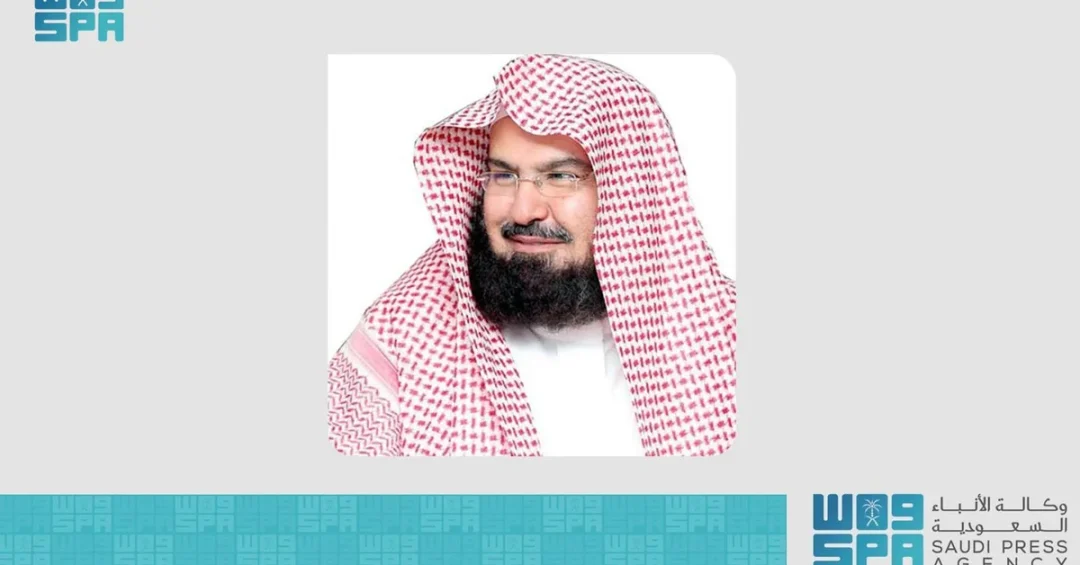
Sheikh Dr. Abdulrahman Al-Sudais, President of the Religious Affairs of the Grand Mosque and the Prophet’s Mosque, announced today the appointment of four new imams to serve at the two holiest sites in Islam. Bader Al-Turki and Dr. Waleed Al-Shamsan have been designated as imams at the Grand Mosque in Makkah, while Dr. Mohammed Barhaji and Dr. Abdullah Al-Qarafi will fulfill the role of imams at the Prophet’s Mosque in Madinah. The announcement, carried by the Saudi Press Agency, underscores the Kingdom’s commitment to enhancing religious services and maintaining the highest standards of spiritual leadership at the Two Holy Mosques.
Context and Background
The appointment of imams to the Grand Mosque and the Prophet’s Mosque is a significant responsibility, as these sites host millions of worshippers annually, including pilgrims performing Hajj and Umrah. The selection process is rigorous, ensuring that only individuals with deep religious knowledge, exemplary character, and a commitment to moderate Islam are chosen. Sheikh Dr. Abdulrahman Al-Sudais, who also serves as the head of the Presidency for Religious Affairs, has been instrumental in modernizing and improving the services provided at the Two Holy Mosques, aligning with the visionary leadership of Custodian of the Two Holy Mosques King Salman bin Abdulaziz Al Saud and His Royal Highness Prince Mohammed bin Salman bin Abdulaziz Al Saud, Crown Prince and Prime Minister.
Key Details
The newly appointed imams bring a wealth of experience and scholarly achievement to their roles. Bader Al-Turki and Dr. Waleed Al-Shamsan will join the esteemed group of imams at the Grand Mosque, where they will lead prayers and deliver sermons that guide millions of Muslims worldwide. Similarly, Dr. Mohammed Barhaji and Dr. Abdullah Al-Qarafi will serve at the Prophet’s Mosque, continuing the tradition of excellence in religious leadership. Sheikh Al-Sudais expressed his appreciation to the Saudi leadership for their approval of these appointments, highlighting the Kingdom’s unwavering support for the Two Holy Mosques.
Implications and Impact
These appointments are expected to further enhance the spiritual experience of pilgrims and worshippers, ensuring that the messages delivered from the pulpits of the Two Holy Mosques resonate with the values of peace, tolerance, and moderation. The new imams will play a crucial role in fostering a sense of unity among the global Muslim community and promoting the true teachings of Islam. Their selection also reflects the Kingdom’s dedication to investing in human capital and empowering qualified individuals to serve in the most sacred sites.
Vision 2030 Alignment
This development aligns with Saudi Vision 2030’s goals of enhancing the pilgrimage experience and showcasing the Kingdom’s role as the heart of the Islamic world. By appointing capable and respected imams, Saudi Arabia reinforces its commitment to serving Islam and Muslims, and to providing world-class religious services that reflect the nation’s rich heritage and forward-looking ambitions. The appointments also contribute to the broader objectives of Vision 2030 by promoting moderate Islam and strengthening the Kingdom’s global leadership in religious affairs.
20 Questions
Q1. Who announced the appointment of new imams?
A1. Sheikh Dr. Abdulrahman Al-Sudais, President of the Religious Affairs of the Grand Mosque and the Prophet’s Mosque, announced the appointments.
Q2. How many new imams were appointed?
A2. Four new imams were appointed, two for the Grand Mosque and two for the Prophet’s Mosque.
Q3. Who are the new imams at the Grand Mosque?
A3. Bader Al-Turki and Dr. Waleed Al-Shamsan have been designated as imams at the Grand Mosque.
Q4. Who are the new imams at the Prophet’s Mosque?
A4. Dr. Mohammed Barhaji and Dr. Abdullah Al-Qarafi will serve as imams at the Prophet’s Mosque.
Q5. What is the significance of these appointments?
A5. They ensure the continued spiritual guidance of millions of worshippers and reflect the Kingdom’s commitment to religious excellence.
Q6. Who approved the appointments?
A6. Custodian of the Two Holy Mosques King Salman bin Abdulaziz Al Saud and Crown Prince Mohammed bin Salman approved the appointments.
Q7. What did Sheikh Al-Sudais express?
A7. He expressed his appreciation to the Saudi leadership for their continuous support and approval of the appointments.
Q8. What is the role of the imams at the Two Holy Mosques?
A8. They lead prayers, deliver sermons, and provide spiritual guidance to millions of pilgrims and worshippers annually.
Q9. How do these appointments align with Vision 2030?
A9. They align with Vision 2030 by enhancing the pilgrimage experience and promoting moderate Islam.
Q10. What qualities are considered in selecting imams?
A10. Deep religious knowledge, exemplary character, and a commitment to moderate Islam are key qualities.
Q11. How many worshippers visit the Two Holy Mosques annually?
A11. Millions of worshippers visit annually, especially during Hajj and Umrah seasons.
Q12. What is the Presidency for Religious Affairs?
A12. It is the government body responsible for managing religious activities at the Grand Mosque and the Prophet’s Mosque.
Q13. Who leads the Presidency for Religious Affairs?
A13. Sheikh Dr. Abdulrahman Al-Sudais serves as its President.
Q14. What impact will these imams have on pilgrims?
A14. They will enhance the spiritual experience and promote messages of peace and tolerance.
Q15. How does this reflect Saudi leadership?
A15. It demonstrates the leadership’s dedication to serving Islam and the Two Holy Mosques.
Q16. What is the significance of the Grand Mosque?
A16. It is the holiest site in Islam, towards which Muslims face in prayer.
Q17. What is the significance of the Prophet’s Mosque?
A17. It is the second holiest site in Islam, built by Prophet Muhammad (peace be upon him).
Q18. How are imams trained?
A18. They undergo rigorous religious education and are selected based on scholarship and piety.
Q19. What message do the new imams promote?
A19. They promote moderation, tolerance, and the true teachings of Islam.
Q20. What does this mean for the global Muslim community?
A20. It ensures continued spiritual leadership and unity, reflecting Saudi Arabia’s role as the heart of the Islamic world.
Reader Feedback
We value your thoughts. Please share your feedback on this article.
Your feedback helps us improve our coverage.