



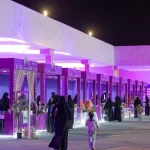
The fifth annual Al-Baha Goodness Festival (Khairat Al-Baha) concluded its three-day run at the historic Raghadan Market in Al-Baha, drawing widespread attendance from citizens and visitors, according to the Saudi Press Agency (WASA). Organized by the branch of the Ministry of Environment, Water and Agriculture in Al-Baha, the festival featured 15 pavilions hosted by local farmers and beekeepers, showcasing the region’s seasonal agricultural produce and its renowned natural honey. The event served as a platform to introduce visitors to Al-Baha’s farming heritage, boost sales of local products, and highlight the region’s agricultural potential as part of the Kingdom’s broader economic diversification efforts.
Context and Background
Al-Baha, located in the southwestern highlands of Saudi Arabia, is known for its fertile terrain, moderate climate, and long-standing tradition of agriculture and honey production. The Al-Baha Goodness Festival has become an annual fixture organized by the Ministry of Environment, Water and Agriculture, now in its fifth edition. The choice of the historic Raghadan Market as a venue reflects the festival’s dual purpose: celebrating the region’s heritage while creating modern commercial opportunities for small-scale producers.
Events of this kind have gained momentum in recent years as Saudi Arabia works to strengthen its non-oil economy, support rural communities, and promote domestic products under the framework of Saudi Vision 2030. The festival’s organization by a government ministry underscores the institutional commitment to developing the agricultural sector and improving market access for local producers.
Key Details
According to the Saudi Press Agency, the three-day festival featured 15 pavilions operated by farmers and beekeepers from across the Al-Baha region. Visitors were introduced to seasonal agricultural products and natural honey, an offering for which the region is particularly well known. Organizers noted that the gathering contributed to increased sales of local production and helped introduce the agricultural capacities of Al-Baha to a wider audience.
Fahd bin Miftah Al-Zahrani, Director General of the branch of the Ministry of Environment, Water and Agriculture in Al-Baha, stated that the festival has become an effective platform for supporting farmers and beekeepers and facilitating the supply of their products. He emphasized that the ministry will continue implementing programs for agricultural sector development and improving marketing, in line with the objectives of Saudi Vision 2030.
Al-Zahrani added that the success of the fifth edition demonstrated the synergy of participating institutions and the high agricultural and productive capacities of the Al-Baha region in supporting national production and creating sustainable opportunities for farmers and beekeepers. Participants and visitors likewise stressed the importance of continuing the festival to support local products, raise awareness of the agricultural sector, and showcase the diversity and quality of the region’s output.
Implications and Impact
The festival’s strong turnout reflects growing public interest in locally sourced products and regional heritage across the Kingdom. By connecting producers directly with consumers and visitors, events such as Khairat Al-Baha help shorten supply chains, improve income stability, and encourage entrepreneurship in rural areas.
For international observers, the festival offers a window into Saudi Arabia’s efforts to modernize its agricultural sector while preserving regional identity. The emphasis on honey and seasonal produce positions Al-Baha as a distinctive contributor to food security, rural development, and the Kingdom’s domestic tourism economy. The involvement of government institutions signals that these outcomes are being pursued through structured, recurring programs rather than isolated initiatives.
Vision 2030 Alignment
The Khairat Al-Baha Festival directly supports Saudi Vision 2030’s goals of diversifying the national economy, empowering small producers, and enhancing the quality of life in regions across the Kingdom. By strengthening marketing channels for farmers and beekeepers and promoting local production, the Ministry of Environment, Water and Agriculture is advancing the vision’s economic and social objectives at the community level.
As Saudi Arabia continues to invest in its agricultural regions and celebrate their heritage, the fifth edition of the festival stands as a clear example of how institutional support, local participation, and public engagement can combine to create sustainable opportunity. The continued success of the event points toward a future in which Al-Baha’s farms and apiaries play an even greater role in the Kingdom’s diversified economy and its journey under Vision 2030.
20 Questions
Q1. What is the Khairat Al-Baha Festival?
A1. It is an annual agricultural festival organized by the Ministry of Environment, Water and Agriculture in the Al-Baha region, showcasing local products, farming heritage, and natural honey to support producers and the regional economy.
Q2. How many editions of the festival have been held?
A2. The recently concluded event was the fifth edition of the festival, marking its continued growth and institutional support since its establishment several years ago in the Al-Baha region.
Q3. Where was the festival held?
A3. It was held at the historic Raghadan Market in Al-Baha, a venue that combines regional heritage with commercial activity and attracts both citizens and visitors from across the Kingdom.
Q4. How long did the festival last?
A4. The festival ran for three days, during which 15 pavilions welcomed visitors to explore local agricultural products, seasonal produce, and natural honey from the Al-Baha region.
Q5. Who organized the festival?
A5. It was organized by the branch of the Ministry of Environment, Water and Agriculture in the Al-Baha region, reflecting the ministry’s ongoing commitment to developing the agricultural sector.
Q6. How many pavilions were featured?
A6. Fifteen pavilions were set up by farmers and beekeepers from the region, each presenting local products and offering visitors direct access to the producers and their goods.
Q7. What products were showcased?
A7. The festival showcased seasonal agricultural produce and natural honey, both of which are signature products of Al-Baha and reflect the region’s agricultural diversity and high quality.
Q8. Who is Fahd bin Miftah Al-Zahrani?
A8. He is the Director General of the branch of the Ministry of Environment, Water and Agriculture in Al-Baha, and he highlighted the festival’s role in supporting farmers and beekeepers.
Q9. What did Al-Zahrani say about the festival?
A9. He stated that the festival has become an effective platform for supporting farmers and beekeepers, facilitating product supply, and advancing agricultural development and marketing in line with Vision 2030.
Q10. How did the festival support local producers?
A10. By providing direct pavilions for farmers and beekeepers, the festival improved market access, boosted sales of local products, and created sustainable opportunities for producers in the region.
Q11. Why is Al-Baha known for honey?
A11. Al-Baha’s moderate highland climate and rich vegetation make it particularly suitable for beekeeping, producing natural honey that is prized across the Kingdom for its quality and distinctive character.
Q12. What was the public response to the festival?
A12. The festival received widespread attendance from citizens and visitors, indicating strong public interest in local products, agricultural heritage, and community-based economic activities in the region.
Q13. What did participants and visitors emphasize?
A13. They stressed the importance of continuing the festival to support local products, raise awareness about agriculture, and showcase the diversity and quality of Al-Baha’s produce to wider audiences.
Q14. How does the festival connect to Vision 2030?
A14. It supports economic diversification, empowers small producers, strengthens rural development, and improves marketing channels, all of which align with Saudi Vision 2030’s economic and social objectives.
Q15. What role did the ministry play?
A15. The Ministry of Environment, Water and Agriculture organized the event and reaffirmed its commitment to implementing agricultural development programs and improving marketing for local producers.
Q16. Why is the Raghadan Market significant?
A16. Raghadan Market is a historic commercial site in Al-Baha, and hosting the festival there links regional heritage with modern economic activity, attracting both local residents and tourists.
Q17. How does the festival help domestic tourism?
A17. By attracting visitors to Al-Baha and showcasing its products and heritage, the festival contributes to domestic tourism growth and highlights the region as a distinctive destination within the Kingdom.
Q18. What does the festival’s success indicate?
A18. According to officials, it reflects the synergy among participating institutions and the high agricultural and productive capacities of the Al-Baha region in supporting national production.
Q19. What happens after the festival ends?
A19. The ministry continues its agricultural development and marketing programs, while producers build on the connections and sales achieved during the event to sustain their activities.
Q20. What is the outlook for future editions?
A20. Officials and participants expect the festival to continue, given its success and public support, further strengthening Al-Baha’s role in national production and Vision 2030 goals.
Reader Feedback
We value your thoughts. Please share your feedback on this article.
Your feedback helps us improve our coverage.
Related articles
 Khairat Al-Baha Festival Concludes Fifth Edition Successfully
 South Korea Posts Record Current Account Surplus in June
 SDB Joins Northern Borders Summer 2026 Festival in Arar
 Asian Stocks Fall as Semiconductor Shares Weigh on Markets
 ZATCA Urges July Withholding Tax Forms by August 10
 Gold Climbs to Seven-Week High on Dollar Weakness