


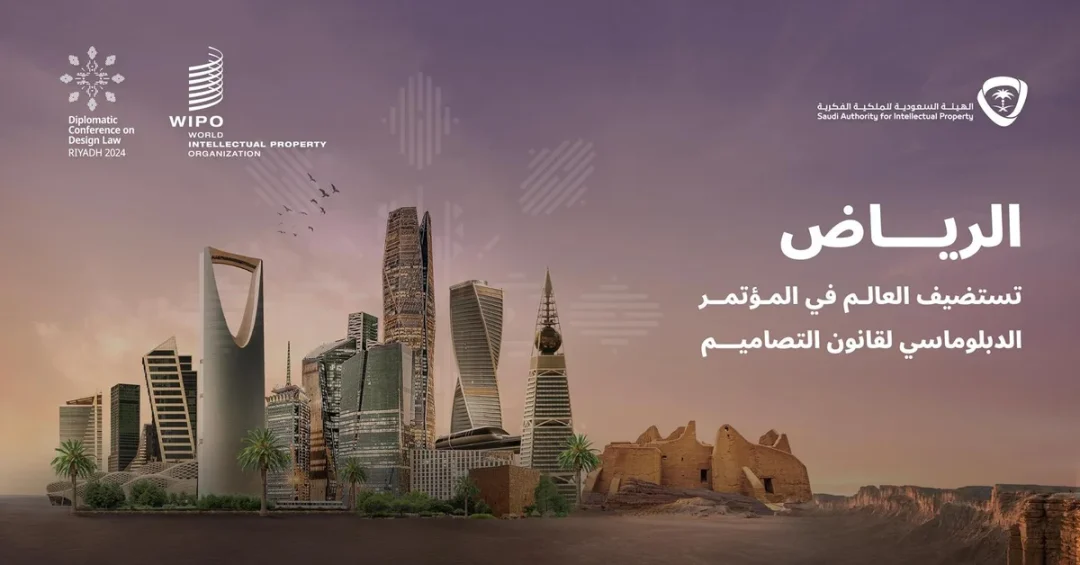
Saudi Arabia will host a landmark Diplomatic Conference to Conclude and Adopt a Design Law Treaty in Riyadh from November 11 to 22, 2024, bringing together representatives from all 193 member states of the World Intellectual Property Organization (WIPO) along with high-level decision-makers. The conference, announced by the Saudi Press Agency, represents the final stage in negotiations to establish a unified international framework for design registration and protection, marking a significant milestone in global intellectual property cooperation.
Context and Background
The Diplomatic Conference to Conclude and Adopt a Design Law Treaty is convened under the auspices of the World Intellectual Property Organization, a specialized agency of the United Nations dedicated to promoting intellectual property protection worldwide. This gathering in Riyadh follows years of preparatory negotiations aimed at harmonizing design registration procedures across borders, a goal that has gained urgency as design-driven industries expand globally. Saudi Arabia’s selection as host underscores its growing role in international diplomacy and its commitment to fostering innovation ecosystems aligned with Saudi Vision 2030.
The Kingdom has increasingly positioned itself as a hub for global dialogue, hosting major summits and conferences that bridge cultural and economic divides. This conference continues that trajectory, offering a platform for member states to finalize a treaty that could streamline how designers secure rights for their creations internationally. By facilitating this dialogue, Saudi Arabia reinforces its dedication to multilateral cooperation and the rule of law in intellectual property.
Key Details of the Conference
The treaty under negotiation, the Design Law Treaty, aims to standardize requirements for design registration, simplifying procedures for creators seeking protection in multiple jurisdictions. According to the Saudi Press Agency, the framework promotes innovation by offering unified protection for designs, encouraging creators to develop sustainable designs that meet evolving market needs. It also supports business sustainability by reducing barriers to design protection, thereby fostering industries driven by creativity.
Dr. Abdulaziz bin Muhammad Al-Swailem, CEO of the Saudi Authority for Intellectual Property, stated that the conference reflects Saudi Arabia’s commitment to strengthening the international intellectual property system and opening new avenues for collaboration among member states. He noted that the conference will help establish significant legal foundations beneficial to all, highlighting the Kingdom’s proactive stance in shaping global IP norms.
During the conference, Saudi Arabia will host participating delegations on cultural tours to introduce them to Saudi heritage and culture. Attendees will have the opportunity to explore the Kingdom’s rich history and culture, underscoring Saudi Arabia’s role as a hub for creativity and cultural diversity. These tours align with the goals of Saudi Vision 2030 to support sustainable creativity and innovation and to enhance international cooperation.
Implications and Impact
The adoption of a Design Law Treaty could have far-reaching implications for global innovation. By streamlining design registration, the treaty is expected to reduce costs and administrative burdens for creators, particularly benefiting small and medium-sized enterprises and individual designers who often face obstacles in navigating disparate national systems. This harmonization could accelerate the commercialization of innovative designs, driving economic growth in creative industries worldwide.
For Saudi Arabia, hosting this conference enhances its reputation as a facilitator of international consensus and a proponent of knowledge-based economies. It also provides an opportunity to showcase the Kingdom’s modernizing society and its commitment to intellectual property rights, which are essential for attracting foreign investment and fostering local talent. The event is likely to strengthen Saudi Arabia’s ties with WIPO and its member states, opening doors for future collaborations in science, technology, and culture.
Regionally, the conference positions Riyadh as a diplomatic capital capable of convening diverse nations to address complex legal and economic issues. This aligns with the Kingdom’s broader efforts to diversify its economy and assume a leadership role in global governance, as outlined in Vision 2030.
Vision 2030 Alignment
Saudi Arabia’s hosting of the Diplomatic Conference on Design Law directly supports the objectives of Saudi Vision 2030, the Kingdom’s strategic roadmap to diversify its economy and enhance its global engagement. By promoting innovation and creativity, the treaty aligns with Vision 2030’s focus on developing knowledge-based industries and empowering Saudi youth to contribute to a dynamic, sustainable future. The cultural tours for delegates further reflect the Vision’s emphasis on cultural exchange and heritage preservation as pillars of national identity and international soft power.
As the conference convenes, Saudi Arabia reaffirms its role as a bridge between nations, dedicated to fostering an international environment where intellectual property rights are protected, and innovation thrives. This event is a testament to the Kingdom’s ongoing efforts to build a prosperous, forward-looking society that contributes positively to the global community.
20 Questions
Q1. What is the Diplomatic Conference to Conclude and Adopt a Design Law Treaty?
A1. It is a WIPO conference held in Riyadh from November 11 to 22, 2024, gathering 193 member states to finalize a treaty that standardizes international design registration and protection.
Q2. Why is Saudi Arabia hosting this conference?
A2. Saudi Arabia is hosting to demonstrate its commitment to strengthening the global intellectual property system and to facilitate international cooperation, aligning with its Vision 2030 goals.
Q3. Who is participating in the conference?
A3. Representatives from all 193 WIPO member states, along with high-level decision-makers and officials from the Saudi Authority for Intellectual Property and other entities.
Q4. What is the main goal of the Design Law Treaty?
A4. The treaty aims to standardize design registration requirements and simplify international intellectual property protection procedures, promoting innovation and reducing barriers for creators.
Q5. How does the treaty benefit designers?
A5. It offers unified protection for designs, making it easier and more cost-effective for designers to secure rights across multiple countries, thus encouraging creativity and sustainable design.
Q6. What did Dr. Abdulaziz Al-Swailem say about the conference?
A6. He stated that the conference reflects Saudi Arabia’s commitment to strengthening the international intellectual property system and will establish significant legal foundations beneficial to all member states.
Q7. What cultural activities are planned for delegates?
A7. Saudi Arabia will host cultural tours to introduce delegates to Saudi heritage and culture, showcasing the Kingdom’s rich history and its role as a hub for creativity and cultural diversity.
Q8. How does this conference relate to Saudi Vision 2030?
A8. It aligns with Vision 2030 by supporting sustainable creativity and innovation, enhancing international cooperation, and promoting knowledge-based industries and cultural exchange.
Q9. What is WIPO?
A9. The World Intellectual Property Organization is a UN agency that promotes intellectual property protection worldwide, with 193 member states, and facilitates global cooperation on IP issues.
Q10. When and where is the conference taking place?
A10. The conference will be held in Riyadh, Saudi Arabia, from November 11 to 22, 2024, at a venue to be announced by Saudi authorities.
Q11. What are the expected outcomes of the conference?
A11. The conference aims to conclude and adopt the Design Law Treaty, establishing a unified international framework for design registration that will benefit creators and businesses globally.
Q12. How will the treaty affect businesses?
A12. It will reduce barriers to design protection, supporting business sustainability and fostering industries driven by innovation and creativity, especially for small and medium enterprises.
Q13. What role does the Saudi Authority for Intellectual Property play?
A13. The authority, led by Dr. Abdulaziz Al-Swailem, is responsible for organizing the conference and representing Saudi Arabia’s interests in intellectual property negotiations.
Q14. Will the conference include discussions on sustainable design?
A14. Yes, the treaty encourages creators to develop sustainable designs that meet evolving market needs, reflecting a global shift toward environmentally conscious innovation.
Q15. How does this conference enhance Saudi Arabia’s international standing?
A15. By hosting such a significant diplomatic event, Saudi Arabia reinforces its role as a global facilitator and a key player in shaping international legal frameworks for innovation.
Q16. What is the significance of the conference being held in Riyadh?
A16. It highlights Riyadh’s emergence as a diplomatic capital and Saudi Arabia’s commitment to multilateralism, showcasing the Kingdom’s modern infrastructure and hospitality.
Q17. How many member states are part of WIPO?
A17. WIPO has 193 member states, all of which are invited to participate in the Diplomatic Conference, making it a truly global gathering.
Q18. What are the implications for international intellectual property law?
A18. The treaty could harmonize design registration globally, setting a precedent for future IP agreements and making protection more accessible and predictable for creators worldwide.
Q19. Will the conference address digital design protection?
A19. While the treaty focuses on design registration in general, it is expected to provide a framework adaptable to emerging technologies, including digital designs, as market needs evolve.
Q20. How does this event reflect Saudi Arabia’s Vision 2030?
A20. It exemplifies Vision 2030’s goals of fostering innovation, enhancing international cooperation, and promoting cultural exchange, positioning Saudi Arabia as a leader in the global knowledge economy.
Reader Feedback
We value your thoughts. Please share your feedback on this article.
Your feedback helps us improve our coverage.
Related articles
 Saudi FM Meets French Advisor for MENA
 Crown Prince Congratulates Trump on US Election Victory
 KSrelief Distributes 1,200 Food Baskets in Chad’s Batha Region
 Crown Prince Receives Pakistan’s Army Chief
 Saudi Foreign Ministry Meets Nepal’s Acting Consul General
 Saudi Defense Minister Meets Pakistan Army Chief