


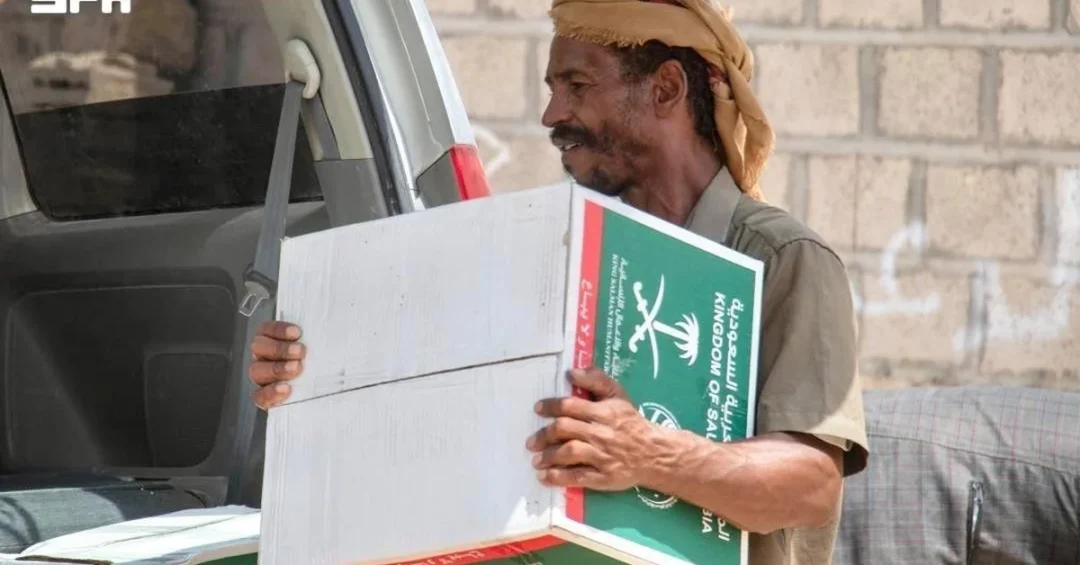
The King Salman Humanitarian Aid and Relief Center (KSrelief) has distributed 3,000 food baskets across Shabwah Governorate in Yemen, benefiting 21,000 individuals, as part of the second phase of the 2026 Emergency Food Interventions Project in Yemen. The distribution, announced by the Saudi Press Agency (SPA), underscores the Kingdom of Saudi Arabia’s ongoing humanitarian commitment to assist vulnerable and conflict-affected populations worldwide.
Context and Background
Yemen has faced a protracted humanitarian crisis, with millions of people requiring assistance due to conflict and economic instability. Saudi Arabia, through KSrelief, has been a leading donor, providing food, medical aid, and other essential services. The 2026 Emergency Food Interventions Project is a continuation of these efforts, targeting the most vulnerable communities. Shabwah Governorate, located in southern Yemen, hosts many displaced families and those affected by the crisis. The second phase of this project aims to reach even more beneficiaries, reflecting the Kingdom’s sustained commitment to alleviating suffering.
Key Details
The distribution included 3,000 food baskets, each designed to support a family for a month. These baskets contained essential items such as rice, flour, oil, and canned goods, which are vital for daily survival. The operation benefited 21,000 individuals, providing them with necessary nutrition during challenging times. KSrelief teams coordinated with local authorities to ensure efficient and equitable distribution, prioritizing the most needy households. This initiative is part of a broader effort that has seen Saudi Arabia provide billions of dollars in aid to Yemen over the years.
Implications and Impact
The distribution in Shabwah is expected to have an immediate positive impact on food security, reducing hunger and malnutrition among the affected population. By targeting 21,000 individuals, KSrelief addresses urgent needs while also contributing to stability in the region. This aid not only saves lives but also supports recovery and resilience, aligning with international humanitarian principles. Saudi Arabia’s role as a key humanitarian actor is reinforced, demonstrating its leadership in responding to crises. The operation also highlights the importance of continued international support to address the root causes of the crisis.
Vision 2030 Alignment
This humanitarian initiative reflects Saudi Arabia’s Vision 2030, which emphasizes the Kingdom’s global role in promoting peace, stability, and prosperity. Under Vision 2030, Saudi Arabia seeks to expand its humanitarian and development efforts, using its resources to make a positive impact worldwide. KSrelief, as a vital instrument of this vision, continues to deliver aid efficiently and transparently, enhancing the Kingdom’s reputation as a responsible global leader. The distribution in Shabwah exemplifies how Saudi Arabia leverages its capabilities to support those in need, contributing to a more stable and secure region.
20 Questions
Q1. What is KSrelief?
A1. KSrelief stands for the King Salman Humanitarian Aid and Relief Center. It is a Saudi Arabian humanitarian organization established in 2015 to provide aid and relief to countries and communities in need worldwide, reflecting the Kingdom’s commitment to global humanitarian causes.
Q2. Where is Shabwah Governorate located?
A2. Shabwah Governorate is located in southern Yemen. It is one of the country’s largest governorates and has been significantly affected by the ongoing humanitarian crisis, hosting many displaced families and vulnerable populations.
Q3. How many food baskets were distributed?
A3. KSrelief distributed 3,000 food baskets in Shabwah Governorate. Each basket contains essential food items to support a family for a month, addressing urgent nutritional needs.
Q4. How many individuals benefited from this distribution?
A4. The distribution benefited 21,000 individuals. This figure demonstrates the wide-reaching impact of the aid, providing essential food supplies to a substantial number of vulnerable people in the region.
Q5. What does each food basket typically contain?
A5. Each food basket typically includes staple items such as rice, flour, cooking oil, sugar, and canned goods. These items are selected to meet basic nutritional needs and are culturally appropriate for the beneficiaries.
Q6. What is the 2026 Emergency Food Interventions Project?
A6. The 2026 Emergency Food Interventions Project is a Saudi-funded initiative aimed at providing emergency food assistance to crisis-affected populations in Yemen. It is implemented by KSrelief and targets the most vulnerable households across multiple governorates.
Q7. Why is Saudi Arabia involved in Yemen?
A7. Saudi Arabia is involved in Yemen due to historical, cultural, and humanitarian ties. The Kingdom has been a major donor, providing extensive aid to alleviate the suffering of the Yemeni people and support stability in the region.
Q8. How does this aid align with Vision 2030?
A8. This aid aligns with Vision 2030 by showcasing Saudi Arabia’s global humanitarian role. Vision 2030 emphasizes the Kingdom’s commitment to international peace and prosperity, and KSrelief’s work is a key component of that vision.
Q9. What is the significance of the second phase?
A9. The second phase indicates a continuation and expansion of the project. It allows KSrelief to reach more beneficiaries and sustain the impact of previous distributions, ensuring ongoing support for vulnerable populations.
Q10. How does KSrelief ensure aid reaches those in need?
A10. KSrelief coordinates with local authorities and humanitarian partners to identify the most vulnerable households. It uses established distribution networks and monitoring mechanisms to ensure aid is delivered efficiently and equitably.
Q11. What are the main challenges in distributing aid in Yemen?
A11. Challenges include security concerns, logistical constraints, and damaged infrastructure. KSrelief and its partners navigate these challenges to reach those in need, often in remote or conflict-affected areas.
Q12. How many people in Yemen need humanitarian assistance?
A12. According to UN estimates, over 20 million people in Yemen require humanitarian assistance. The crisis is one of the world’s largest, with food insecurity and malnutrition widespread.
Q13. What other types of aid does KSrelief provide?
A13. KSrelief provides food, medical care, shelter, education, and water and sanitation services. It also implements development projects to support long-term recovery and resilience in affected communities.
Q14. How can other countries support Yemen?
A14. Other countries can support Yemen by contributing to UN appeals, funding humanitarian organizations, and supporting development projects. International cooperation is crucial to address the crisis comprehensively.
Q15. What is the role of the Saudi Press Agency in this announcement?
A15. The Saudi Press Agency (SPA) serves as the official news agency of Saudi Arabia. It disseminated the announcement of the distribution, ensuring accurate and timely information about KSrelief’s activities.
Q16. How does this aid impact regional stability?
A16. By addressing urgent humanitarian needs, the aid contributes to stability by reducing tensions and suffering. It supports recovery efforts, which can help prevent further deterioration of the situation.
Q17. What is the total value of Saudi aid to Yemen?
A17. Saudi Arabia has provided billions of dollars in aid to Yemen over the years. This includes humanitarian and development assistance, making the Kingdom one of the largest donors to the Yemeni people.
Q18. How does KSrelief select beneficiaries?
A18. KSrelief selects beneficiaries based on need, prioritizing displaced families, female-headed households, the elderly, and those with disabilities. It works with local partners to identify the most vulnerable.
Q19. What is the timeline for the 2026 Emergency Food Interventions Project?
A19. The project is ongoing throughout 2026, with distributions planned in multiple phases across various governorates. The second phase in Shabwah is part of this scheduled timeline.
Q20. How can individuals contribute to KSrelief’s efforts?
A20. Individuals can contribute through official KSrelief donation channels, including its website and authorized bank accounts. Donations support various humanitarian projects and are managed transparently.
Reader Feedback
We value your thoughts. Please share your feedback on this article.
Your feedback helps us improve our coverage.