


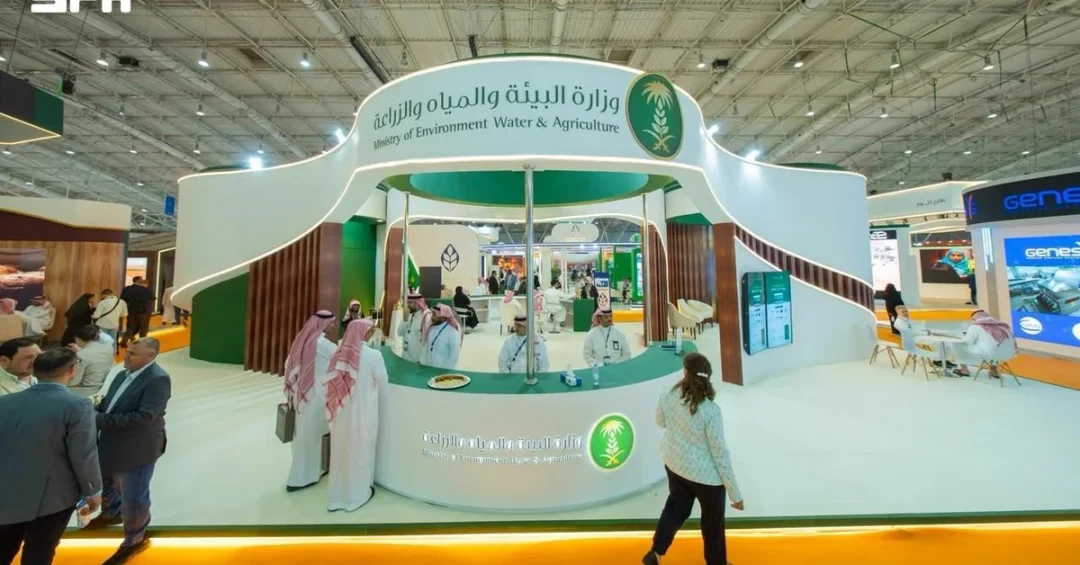
The Ministry of Environment, Water and Agriculture announced that five key initiatives have successfully localized Saudi Arabia’s poultry industry, driving broiler chicken production to approximately 1.4 million tons in 2026 and egg production to more than 9 billion eggs. The ministry confirmed that these efforts have raised self-sufficiency rates to 80% for poultry meat and 100% for table eggs, marking a significant milestone in the Kingdom’s food security strategy. The announcement was made at the conclusion of the Middle East Poultry Expo 2026, held at the Riyadh International Convention and Exhibition Center from October 4 to 6.
Context and Background
The Middle East Poultry Expo, now in its fifth edition, has become a pivotal platform for advancing Saudi Arabia’s poultry sector. Since its launch in 2022, the event has grown substantially, with exhibitor numbers rising from 140 companies representing 30 countries to over 400 companies and entities from 45 countries in 2026. This growth reflects the Kingdom’s increasing attractiveness as a hub for agricultural investment and innovation.
The Ministry of Environment, Water and Agriculture has been instrumental in fostering this development through targeted initiatives aimed at enhancing competitiveness, increasing production efficiency, and strengthening private sector participation. These efforts are aligned with the objectives of Saudi Vision 2030, which seeks to diversify the economy and achieve sustainable food security.
Key Details
The five key initiatives adopted by the ministry have focused on localizing production, improving biosecurity, and supporting farmers with advanced technologies and best practices. As a result, broiler chicken production has reached approximately 1.4 million tons, while table egg production has exceeded 9 billion eggs. These figures underscore the sector’s capacity to meet domestic demand and reduce reliance on imports.
The expo also witnessed the launch of the 2026 Poultry Excellence Award, which honors pioneers, establishments, and outstanding partners across five categories: pioneer recognition; excellence in social responsibility and cooperative work; impactful international partnerships; leadership in biosecurity; and excellence in production and processing. The award aims to encourage innovation and excellence within the sector.
International participation was a highlight of the 2026 edition, with Türkiye serving as the guest of honor and 29 Turkish companies participating. More than 60 Chinese companies also took part, and the business matchmaking program recorded over 400 scheduled meetings, signaling growing investment opportunities and partnerships in the Kingdom’s poultry sector.
Implications and Impact
The achievement of 80% self-sufficiency in poultry meat and 100% in table eggs has significant implications for Saudi Arabia’s food security and economic resilience. By reducing dependence on imported poultry products, the Kingdom is better positioned to withstand global supply chain disruptions and price fluctuations. This localization drive also creates job opportunities, supports rural development, and enhances the competitiveness of national products in regional and international markets.
Furthermore, the success of the Middle East Poultry Expo demonstrates Saudi Arabia’s growing role as a convening power in the agricultural sector. The event facilitates knowledge exchange, technology transfer, and business partnerships that can further accelerate the sector’s growth. The participation of countries like Türkiye and China highlights the Kingdom’s ability to attract global players and foster international cooperation.
Vision 2030 Alignment
These developments are directly aligned with Saudi Vision 2030, which aims to ensure food security, diversify the economy, and promote sustainable agricultural practices. The Ministry of Environment, Water and Agriculture’s initiatives contribute to the National Agriculture Strategy and the Kingdom’s broader goals of economic diversification and self-reliance. As Saudi Arabia continues to invest in its poultry industry, it reinforces its commitment to innovation, sustainability, and global leadership in food security.
20 Questions
Q1. What did the Ministry of Environment, Water and Agriculture announce regarding poultry production?
A1. The ministry announced that five key initiatives have localized the poultry industry, raising broiler chicken production to 1.4 million tons and egg production to over 9 billion eggs, achieving 80% self-sufficiency in poultry meat and 100% in table eggs.
Q2. When and where was the announcement made?
A2. The announcement was made at the conclusion of the Middle East Poultry Expo 2026, held at the Riyadh International Convention and Exhibition Center from October 4 to 6.
Q3. What are the five key initiatives adopted by the ministry?
A3. The initiatives focus on localizing production, enhancing competitiveness, increasing production efficiency, improving biosecurity, and strengthening private sector participation in achieving food security.
Q4. How many exhibitors participated in the 2026 expo compared to its launch in 2022?
A4. The number of exhibitors increased from 140 companies representing 30 countries in 2022 to over 400 companies and entities from 45 countries in 2026.
Q5. Which country was the guest of honor at the 2026 expo?
A5. Türkiye served as the guest of honor, with 29 Turkish companies participating in the event.
Q6. How many Chinese companies participated in the expo?
A6. More than 60 Chinese companies participated, reflecting strong international interest in Saudi Arabia’s poultry sector.
Q7. What is the Poultry Excellence Award?
A7. The 2026 Poultry Excellence Award honors pioneers, establishments, and outstanding partners in the poultry sector across five categories: pioneer recognition, social responsibility, international partnerships, biosecurity leadership, and production and processing excellence.
Q8. How many business matchmaking meetings were scheduled?
A8. More than 400 scheduled meetings were recorded, indicating growing investment opportunities and partnerships in the Kingdom’s poultry sector.
Q9. What is the self-sufficiency rate for poultry meat in Saudi Arabia?
A9. The self-sufficiency rate for poultry meat has reached 80%, a significant achievement in the Kingdom’s food security efforts.
Q10. What is the self-sufficiency rate for table eggs?
A10. The self-sufficiency rate for table eggs has reached 100%, meaning Saudi Arabia produces enough eggs to meet its domestic demand entirely.
Q11. How has the Middle East Poultry Expo grown since its launch?
A11. The expo has grown substantially, with exhibitor numbers tripling and international participation expanding from 30 to 45 countries, reflecting its rising prominence.
Q12. What role does the private sector play in Saudi Arabia’s poultry industry?
A12. The private sector is a key partner in achieving food security, driving investment, innovation, and efficiency in the poultry sector, supported by ministry initiatives.
Q13. How do these initiatives align with Saudi Vision 2030?
A13. They align with Vision 2030 by enhancing food security, diversifying the economy, promoting sustainable agriculture, and reducing reliance on imports.
Q14. What are the economic benefits of localizing the poultry industry?
A14. Localization creates jobs, supports rural development, reduces import dependence, and strengthens the competitiveness of national products in regional and global markets.
Q15. How does the expo facilitate international cooperation?
A15. The expo provides a platform for knowledge exchange, technology transfer, and business partnerships, attracting global players and fostering collaboration.
Q16. What is the significance of achieving 100% self-sufficiency in table eggs?
A16. It ensures a stable domestic supply, protects against global market fluctuations, and demonstrates the success of the Kingdom’s agricultural policies.
Q17. What categories are recognized in the Poultry Excellence Award?
A17. The award recognizes pioneer recognition, excellence in social responsibility and cooperative work, impactful international partnerships, leadership in biosecurity, and excellence in production and processing.
Q18. How does the Ministry of Environment, Water and Agriculture support farmers?
A18. The ministry supports farmers through initiatives that provide advanced technologies, best practices, and incentives to enhance production efficiency and biosecurity.
Q19. What is the expected impact of these developments on Saudi Arabia’s food security?
A19. They enhance food security by increasing domestic production, reducing import reliance, and building resilience against global supply chain disruptions.
Q20. What future steps can be expected for the poultry sector?
A20. Continued investment, innovation, and international partnerships are expected to further boost production, efficiency, and export potential, supporting Vision 2030 goals.
Reader Feedback
We value your thoughts. Please share your feedback on this article.
Your feedback helps us improve our coverage.