


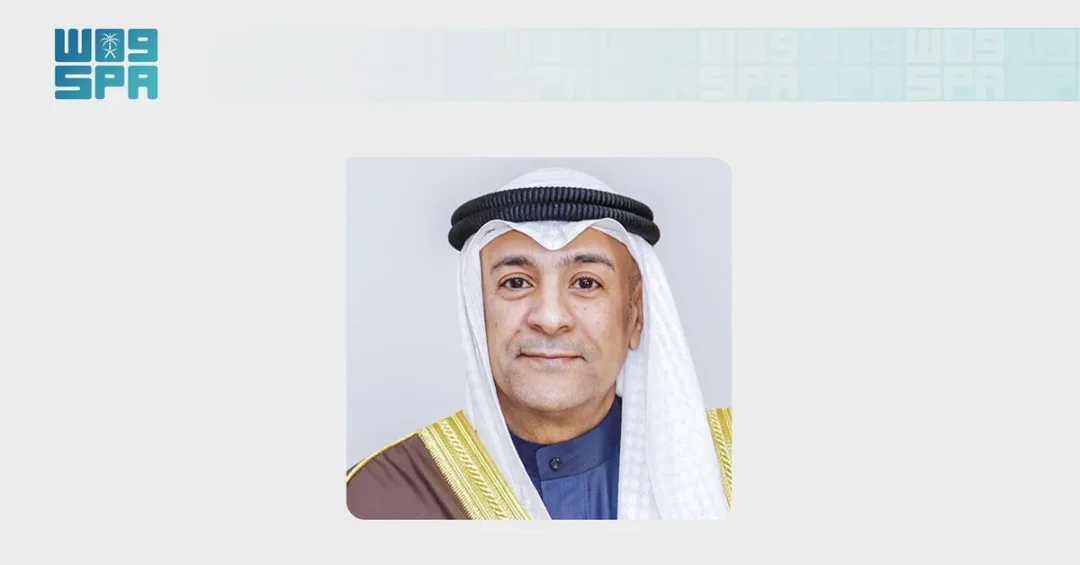
MANAMA, October 6, 2026 — The Gulf Cooperation Council (GCC) has approved five joint industrial investment opportunities under an ambitious project designed to identify 20 such ventures across member states, GCC Secretary-General Jasem Albudaiwi announced Tuesday at the inaugural “Made in GCC 2026” Forum and Exhibition in Bahrain. The announcement was made at Exhibition World Bahrain in Sakhir, where the GCC General Secretariat and Bahrain’s Ministry of Industry and Commerce are jointly hosting the two-day event under the theme “Toward a More Integrated, Competitive, and Future-Ready Gulf Industrial Economy.”
Context and Background
Albudaiwi said the “Made in GCC 2026” initiative embodies a shared vision agreed upon by the leaders of GCC states that industry is a foundational pillar for diversifying Gulf economies. “The strength of our economies is measured not only by the resources we possess, but by what we produce and export,” he stated, adding that the forum carries a clear message: Gulf products should be the first choice for consumers and investors both within member states and across global markets.
The secretary-general explained that joint Gulf industrial action has been built over years on a solid foundation of policies and resolutions that unify standards, facilitate the movement of industrial goods and materials, protect Gulf products, promote fair competition, and support supply chain integration. As a result, GCC states now host more than 22,000 factories employing over 1.7 million workers, with manufacturing contributing 13 percent to the GCC’s gross domestic product (GDP).
Key Details
Albudaiwi highlighted the pivotal role of the GCC Industrial Cooperation Committee in advancing Gulf industrial integration. He noted that the committee’s efforts have yielded significant milestones, most notably unifying key industrial legislation, adopting the GCC Industrial Strategy 2022–2030, empowering national products, and extending collective protection to Gulf industries.
On the industrial investment front, Albudaiwi revealed that GCC states launched an ambitious project aimed at identifying 20 joint Gulf industrial investment opportunities, with five completed in the first phase and approved by the Industrial Cooperation Committee. These will serve as a foundation for subsequent ventures.
He also cited international indicators confirming the GCC’s distinguished global standing in the industrial sector. According to the 2025 Competitive Industrial Performance index issued by the United Nations Industrial Development Organization (UNIDO), the United Arab Emirates ranked 32nd globally, the Kingdom of Saudi Arabia 34th, Qatar 48th, Kuwait 53rd, Oman 58th, and Bahrain 63rd. GCC states occupy six of the top seven positions in the Arab world, with two member states surpassing the global index average.
“These figures inspire pride in what has been accomplished and motivate joint efforts toward even greater milestones,” Albudaiwi said. “When our industrial capabilities integrate and policies unify, member states achieve what no country could accomplish alone, advancing progress toward Sustainable Development Goal 9: Industry, Innovation, and Infrastructure.”
The forum features sessions bringing together ministers, private sector leaders, and experts to focus on key pillars, including Gulf policies for global market access, industrial integration and self-sufficiency, supply chain resilience, financing mechanisms and industrial partnerships, smart factories and open industrial innovation, qualifying and employing Gulf talent, and industrial infrastructure and economic zones.
Implications and Impact
Albudaiwi expressed his aspiration that “Made in GCC 2026” will yield clear messages, actionable recommendations, and genuine partnerships among manufacturers, investors, financing institutions, and knowledge entities, bolstering the competitiveness of Gulf industry and cementing the status of “Made in GCC” as a hallmark of pride.
The approved joint industrial investment opportunities are expected to deepen economic integration among GCC states, attract cross-border investment, and enhance the region’s industrial resilience. By leveraging collective strengths, the GCC aims to reduce reliance on oil revenues, create high-skilled jobs, and position itself as a global manufacturing and export hub.
Vision 2030 Alignment
The GCC’s industrial integration efforts align closely with Saudi Arabia’s Vision 2030, which seeks to diversify the Kingdom’s economy, boost non-oil exports, and develop advanced manufacturing sectors. As a key driver of the GCC Industrial Strategy 2022–2030, Saudi Arabia is advancing its National Industrial Development and Logistics Program (NIDLP) to increase the industrial sector’s contribution to GDP, localize manufacturing, and attract foreign investment. The approval of these joint opportunities reinforces the Kingdom’s leadership in fostering regional collaboration and sustainable economic growth, paving the way for a more competitive and future-ready Gulf economy.
20 Questions
Q1. What did the GCC Secretary-General announce at the Made in GCC 2026 Forum?
A1. Jasem Albudaiwi announced that the GCC has approved five joint industrial investment opportunities as part of a broader project to identify 20 such ventures across member states. These approvals mark the completion of the first phase and are expected to pave the way for further industrial collaboration.
Q2. Where and when was the Made in GCC 2026 Forum held?
A2. The forum was held on Tuesday, October 6, 2026, at Exhibition World Bahrain in Sakhir. It was jointly organized by the GCC General Secretariat and Bahrain’s Ministry of Industry and Commerce, bringing together leaders and experts to discuss industrial integration.
Q3. What is the theme of the Made in GCC 2026 Forum?
A3. The theme is “Toward a More Integrated, Competitive, and Future-Ready Gulf Industrial Economy.” It underscores the GCC’s commitment to diversifying economies, enhancing competitiveness, and preparing for future industrial challenges through joint action and innovation.
Q4. How many factories operate in the GCC and how many workers do they employ?
A4. According to Albudaiwi, GCC states host more than 22,000 factories employing over 1.7 million workers. This demonstrates the scale of the region’s industrial base and its significant role in job creation and economic diversification.
Q5. What percentage of the GCC’s GDP comes from manufacturing?
A5. Manufacturing contributes 13 percent to the GCC’s gross domestic product. This figure highlights the sector’s growing importance as a driver of non-oil economic growth and regional integration, aligning with diversification goals.
Q6. What is the role of the GCC Industrial Cooperation Committee?
A6. The committee plays a pivotal role in advancing Gulf industrial integration. Its efforts have led to unifying key industrial legislation, adopting the GCC Industrial Strategy 2022–2030, empowering national products, and extending collective protection to Gulf industries.
Q7. What is the GCC Industrial Strategy 2022–2030?
A7. It is a strategic framework adopted by GCC states to enhance industrial integration, competitiveness, and sustainability. It aims to unify policies, boost local manufacturing, and increase the industrial sector’s contribution to GDP across member states through coordinated action.
Q8. How did GCC states perform in the 2025 UNIDO Competitive Industrial Performance index?
A8. The UAE ranked 32nd globally, Saudi Arabia 34th, Qatar 48th, Kuwait 53rd, Oman 58th, and Bahrain 63rd. GCC states occupy six of the top seven positions in the Arab world, reflecting strong industrial capabilities.
Q9. What are the key pillars of the Made in GCC 2026 Forum sessions?
A9. Sessions focus on Gulf policies for global market access, industrial integration and self-sufficiency, supply chain resilience, financing mechanisms and partnerships, smart factories and innovation, talent development, and industrial infrastructure and economic zones.
Q10. How does the forum aim to promote Gulf products?
A10. The forum seeks to position Gulf products as the first choice for consumers and investors both within member states and globally. It emphasizes quality, competitiveness, and the “Made in GCC” brand as a hallmark of pride and reliability.
Q11. What is the significance of the five approved joint industrial investment opportunities?
A11. These opportunities are the first phase of a larger project to identify 20 joint ventures. Their approval by the Industrial Cooperation Committee provides a foundation for subsequent projects, fostering cross-border investment and industrial integration among GCC states.
Q12. How does the GCC’s industrial integration support Sustainable Development Goal 9?
A12. By unifying industrial capabilities and policies, GCC states advance SDG 9, which focuses on industry, innovation, and infrastructure. Integration enables member states to achieve collectively what they could not alone, driving sustainable industrial growth and technological upgrading.
Q13. What message did Albudaiwi convey about Gulf economic strength?
A13. He stated that the strength of Gulf economies is measured not only by resources but by what they produce and export. This underscores the shift toward diversified, production-based economies and the importance of industrial self-reliance.
Q14. What outcomes does Albudaiwi hope for from the forum?
A14. He aspires for the forum to yield clear messages, actionable recommendations, and genuine partnerships among manufacturers, investors, financing institutions, and knowledge entities. These outcomes would bolster the competitiveness of Gulf industry and elevate the “Made in GCC” brand.
Q15. Which countries are members of the GCC?
A15. The GCC comprises Saudi Arabia, the United Arab Emirates, Qatar, Kuwait, Oman, and Bahrain. These six nations collaborate on economic, security, and cultural affairs to promote regional integration and shared prosperity.
Q16. How does the GCC Industrial Cooperation Committee support national products?
A16. The committee empowers national products by unifying standards, facilitating trade, protecting Gulf industries, and promoting fair competition. These measures enhance the quality and competitiveness of Gulf-made goods in domestic and international markets.
Q17. What are some financing mechanisms discussed at the forum?
A17. The forum addresses financing mechanisms and industrial partnerships aimed at supporting manufacturers and investors. These include access to capital, joint investment funds, and public-private partnerships to drive industrial projects and innovation across the region.
Q18. How does industrial integration contribute to self-sufficiency in the GCC?
A18. By pooling resources, capabilities, and policies, GCC states can reduce dependence on imports, strengthen local supply chains, and enhance self-sufficiency in key industrial sectors. This integration also boosts resilience against global economic disruptions.
Q19. What role do smart factories play in the GCC’s industrial future?
A19. Smart factories leverage automation, data analytics, and IoT to improve efficiency and innovation. The forum highlights them as a pillar for advancing open industrial innovation, enhancing productivity, and preparing the GCC for the Fourth Industrial Revolution.
Q20. How does Saudi Arabia’s Vision 2030 align with the GCC’s industrial goals?
A20. Vision 2030 aims to diversify Saudi Arabia’s economy, boost non-oil exports, and develop advanced manufacturing. These goals align with the GCC Industrial Strategy 2022–2030, reinforcing regional collaboration and sustainable economic growth for a future-ready Gulf.
Reader Feedback
We value your thoughts. Please share your feedback on this article.
Your feedback helps us improve our coverage.