


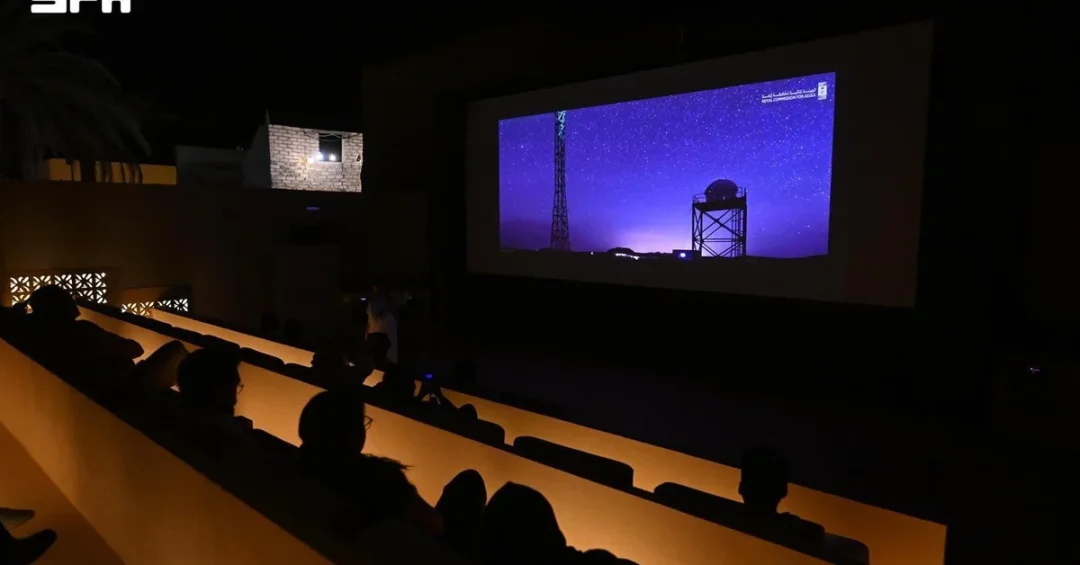
The AlUla Manara team of the Royal Commission for AlUla (RCU) organized a series of events and activities coinciding with World Space Week, as part of its educational and cultural programs aimed at highlighting astronomy and space sciences. The initiative, announced via the Saudi Press Agency, offered visitors and enthusiasts diverse opportunities to learn about the sky and stars through experiences held at several locations across AlUla Governorate, targeting various segments of society.
Context and Background
World Space Week, celebrated annually from October 4 to 10, is the largest space event on Earth, commemorating the launch of Sputnik 1 in 1957 and the signing of the Outer Space Treaty in 1967. Saudi Arabia has increasingly participated in global space initiatives, aligning with its Vision 2030 goals to advance science, technology, and innovation. The Royal Commission for AlUla, established in 2017, is dedicated to preserving and developing AlUla’s natural and cultural heritage while promoting it as a world-class destination for tourism and scientific exploration. The AlUla Manara team, a key component of RCU, focuses on astronomy and space education, leveraging AlUla’s pristine night skies and historical significance as a crossroads of ancient civilizations.
Key Details
The activities featured specialists and enthusiasts in astronomy and space sciences from both inside and outside the Kingdom of Saudi Arabia. They shared experiences and educational content designed to foster interest in the field and connect scientific knowledge with cultural heritage associated with observing the sky and stars. Through its participation in international days and weeks, the AlUla Manara team seeks to raise awareness of space sciences and technologies and their contributions to human life, enhance scientific literacy in the community, and introduce astronomical knowledge passed down through generations. The events were held at multiple venues across AlUla, ensuring broad community engagement.
Implications and Impact
This initiative underscores Saudi Arabia’s growing role in space exploration and education on the global stage. By hosting such events, the Kingdom not only promotes scientific literacy but also strengthens its position as a hub for cultural and scientific tourism. AlUla’s unique combination of natural beauty and historical significance provides an ideal setting for astronomy-related activities, attracting international visitors and fostering cross-cultural exchange. Moreover, the involvement of experts from abroad highlights Saudi Arabia’s commitment to international collaboration in space sciences, in line with the National Space Strategy announced in 2022.
Vision 2030 Alignment
The AlUla Manara team’s activities are a testament to Saudi Arabia’s Vision 2030, which emphasizes economic diversification, knowledge-based development, and the enhancement of quality of life. By promoting space sciences and astronomy, the Kingdom is investing in human capital and inspiring future generations to pursue careers in STEM fields. AlUla, as a flagship project of Vision 2030, continues to demonstrate how cultural heritage and modern innovation can coexist, driving sustainable tourism and global engagement. Such initiatives not only celebrate Saudi Arabia’s rich history but also position the Kingdom as a forward-looking leader in the space era.
20 Questions
Q1. What is the AlUla Manara team?
A1. The AlUla Manara team is part of the Royal Commission for AlUla (RCU), focused on astronomy and space education, leveraging AlUla’s dark skies and cultural heritage to promote scientific literacy and tourism.
Q2. What is World Space Week?
A2. World Space Week is an annual international celebration from October 4-10, marking the launch of Sputnik 1 and the Outer Space Treaty, aiming to inspire interest in space science and technology worldwide.
Q3. Where did the AlUla Manara events take place?
A3. The events were held at several locations across AlUla Governorate, targeting various segments of society and ensuring broad community engagement.
Q4. Who participated in the activities?
A4. Specialists and enthusiasts in astronomy and space sciences from inside and outside Saudi Arabia participated, sharing experiences and educational content.
Q5. What was the purpose of the events?
A5. The events aimed to raise awareness of space sciences, enhance scientific literacy, and connect astronomical knowledge with cultural heritage associated with sky observation.
Q6. How does this align with Vision 2030?
A6. It supports Vision 2030 by promoting STEM education, economic diversification, and cultural tourism, positioning Saudi Arabia as a leader in space sciences and innovation.
Q7. What is the significance of AlUla for astronomy?
A7. AlUla’s pristine night skies and historical role as an ancient crossroads make it ideal for astronomy, blending scientific exploration with cultural heritage.
Q8. What is the Royal Commission for AlUla?
A8. Established in 2017, RCU is responsible for preserving and developing AlUla’s natural and cultural heritage, promoting it as a world-class destination for tourism and science.
Q9. How does Saudi Arabia benefit from space education?
A9. Space education fosters innovation, inspires youth, and builds human capital, aligning with Saudi Arabia’s National Space Strategy and Vision 2030 goals.
Q10. What is the National Space Strategy?
A10. Announced in 2022, it outlines Saudi Arabia’s plan to become a leading spacefaring nation, focusing on research, innovation, and international collaboration.
Q11. How does AlUla Manara engage the community?
A11. By organizing events at multiple locations, it reaches diverse segments of society, offering hands-on experiences and educational content for all ages.
Q12. What role do international experts play?
A12. They share global perspectives and expertise, enhancing the quality of programs and fostering cross-cultural exchange in space sciences.
Q13. What is the connection between astronomy and cultural heritage in AlUla?
A13. For generations, AlUla’s inhabitants used stars for navigation and timekeeping; the events revive this knowledge, linking past traditions with modern science.
Q14. How does this initiative impact tourism in AlUla?
A14. It attracts visitors interested in astronomy and culture, boosting tourism and showcasing AlUla as a unique destination where heritage meets innovation.
Q15. What other space-related activities does Saudi Arabia host?
A15. Saudi Arabia hosts various space events, including conferences, workshops, and competitions, and has established the Saudi Space Commission to oversee its space ambitions.
Q16. Why is World Space Week important for Saudi Arabia?
A16. It provides a platform to showcase Saudi Arabia’s progress in space sciences and engage the public, reinforcing the Kingdom’s commitment to global space initiatives.
Q17. How can the public participate in future events?
A17. Interested individuals can follow RCU and AlUla Manara announcements on official channels for upcoming astronomy activities and registration details.
Q18. What educational content was shared?
A18. Content included stargazing sessions, lectures on space science, and discussions on the cultural significance of astronomy, tailored to different age groups.
Q19. How does this event promote scientific literacy?
A19. By making space science accessible and engaging, it sparks curiosity, encourages learning, and helps build a knowledge-based society in line with Vision 2030.
Q20. What future plans does AlUla Manara have?
A20. AlUla Manara aims to expand its programs, including regular stargazing events, educational workshops, and partnerships with international space agencies to further promote astronomy.
Reader Feedback
We value your thoughts. Please share your feedback on this article.
Your feedback helps us improve our coverage.