


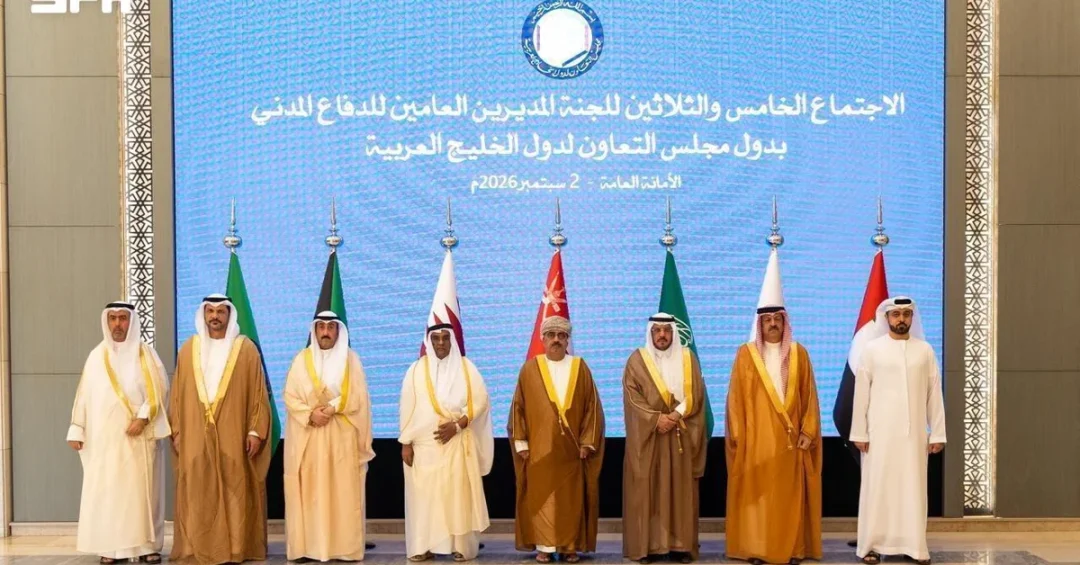
Saudi Civil Defense Director General Major General Dr. Hammoud Al-Faraj participated in the 35th Annual Meeting of Civil Defense Chiefs of Gulf Cooperation Council (GCC) states, held under the chairmanship of the Kingdom of Bahrain and organized by the GCC General Secretariat at its headquarters in Riyadh on September 4, 2026. The high-level meeting convened to discuss issues of common interest in civil defense among GCC states and to review the implementation of decisions made by the GCC Ministers of Interior regarding the committee’s work, according to the Saudi Press Agency (SPA).
Context and Background
The GCC, comprising Saudi Arabia, Bahrain, Kuwait, Oman, Qatar, and the United Arab Emirates, has long recognized the importance of collaborative efforts in civil defense to enhance regional safety and emergency preparedness. The annual meeting of Civil Defense Chiefs serves as a vital platform for member states to coordinate policies, share best practices, and align strategies to address emerging challenges. Saudi Arabia, under the leadership of the Custodian of the Two Holy Mosques King Salman bin Abdulaziz Al Saud and His Royal Highness Crown Prince Mohammed bin Salman, has been at the forefront of these efforts, leveraging its resources and expertise to bolster regional resilience.
Key Details
The 35th Annual Meeting, chaired by the Kingdom of Bahrain, focused on a range of topics critical to civil defense cooperation. Discussions included the review of previous decisions made by the GCC Ministers of Interior and the progress of their implementation. Major General Dr. Hammoud Al-Faraj, Director General of Saudi Civil Defense, represented the Kingdom and contributed to the deliberations, highlighting Saudi Arabia’s ongoing commitment to enhancing civil defense capabilities. The meeting also addressed joint training programs, information sharing, and the adoption of advanced technologies to improve response times and effectiveness in emergencies.
Implications and Impact
The outcomes of this meeting are expected to strengthen the collective ability of GCC states to respond to natural disasters, industrial accidents, and other emergencies. Enhanced coordination will lead to more efficient resource allocation and faster deployment of personnel and equipment during crises. For Saudi Arabia, participation underscores its role as a regional leader in safety and security, aligning with its broader efforts to ensure the well-being of its citizens and residents. The meeting also reinforces the GCC’s unified approach to addressing transnational challenges, setting a precedent for other regional organizations.
Vision 2030 Alignment
Saudi Arabia’s active involvement in the 35th GCC Civil Defense Chiefs Meeting directly supports Vision 2030, the Kingdom’s ambitious roadmap for economic and social transformation. By fostering regional cooperation and adopting innovative solutions in civil defense, Saudi Arabia is working to build a safer, more resilient society—a key pillar of Vision 2030. This engagement also reflects the Kingdom’s dedication to international collaboration and its leadership in promoting stability and prosperity across the Gulf region and beyond.
20 Questions
Q1. What was the main purpose of the 35th Annual Meeting of Civil Defense Chiefs of GCC States?
A1. The meeting aimed to discuss common civil defense interests among GCC states and review the implementation of decisions made by the GCC Ministers of Interior, enhancing regional cooperation.
Q2. Who represented Saudi Arabia at the meeting?
A2. Major General Dr. Hammoud Al-Faraj, Director General of Saudi Civil Defense, represented the Kingdom of Saudi Arabia at the meeting.
Q3. Which country chaired the 35th Annual Meeting?
A3. The Kingdom of Bahrain chaired the 35th Annual Meeting of Civil Defense Chiefs of GCC States.
Q4. Where was the meeting held?
A4. The meeting was held at the headquarters of the GCC General Secretariat in Riyadh, Saudi Arabia.
Q5. What is the GCC?
A5. The Gulf Cooperation Council is a regional intergovernmental union comprising six Arab states: Saudi Arabia, Bahrain, Kuwait, Oman, Qatar, and the United Arab Emirates.
Q6. When did the meeting take place?
A6. The meeting took place on September 4, 2026, according to the Saudi Press Agency.
Q7. What were the key topics discussed at the meeting?
A7. Key topics included civil defense cooperation, implementation of previous decisions, joint training programs, and the use of advanced technologies for emergency response.
Q8. How does this meeting benefit Saudi Arabia?
A8. It strengthens Saudi Arabia’s regional leadership in safety and security, enhances its civil defense capabilities, and supports its Vision 2030 goals for a resilient society.
Q9. What role did the GCC General Secretariat play in organizing the meeting?
A9. The GCC General Secretariat organized the meeting at its headquarters, facilitating discussions and coordination among member states.
Q10. What are the expected outcomes of the meeting?
A10. Expected outcomes include improved regional coordination, faster emergency response, and enhanced resource sharing among GCC states for civil defense.
Q11. How does Saudi Arabia contribute to GCC civil defense efforts?
A11. Saudi Arabia actively participates in meetings, shares expertise, and implements joint initiatives, demonstrating its commitment to regional safety and security.
Q12. What is the significance of the GCC Ministers of Interior decisions?
A12. Their decisions guide the committee’s work, ensuring that civil defense policies are aligned and effectively implemented across member states.
Q13. How often does this annual meeting take place?
A13. The meeting is held annually, with this being the 35th edition, providing a regular platform for GCC civil defense chiefs to collaborate.
Q14. What are some challenges in civil defense that the GCC faces?
A14. Challenges include natural disasters, industrial accidents, and ensuring rapid response across borders, which require coordinated efforts and advanced technologies.
Q15. How does Saudi Vision 2030 relate to civil defense?
A15. Vision 2030 emphasizes safety and resilience as part of its quality of life goals, and civil defense cooperation directly contributes to achieving these objectives.
Q16. What technologies are being considered for civil defense?
A16. Advanced technologies such as early warning systems, drones, and real-time data sharing are being explored to enhance emergency response capabilities.
Q17. How does the meeting impact regional security?
A17. By fostering cooperation, the meeting enhances regional security and stability, ensuring that GCC states are better prepared to handle emergencies collectively.
Q18. What is Saudi Arabia’s role in the GCC?
A18. Saudi Arabia is a founding member and plays a leading role in shaping GCC policies, including those related to civil defense and regional security.
Q19. What are the benefits of joint training programs for GCC civil defense?
A19. Joint training programs build capacity, standardize procedures, and improve interoperability among GCC civil defense forces, leading to more effective responses.
Q20. How does this meeting reflect Saudi Arabia’s international engagement?
A20. It demonstrates Saudi Arabia’s proactive approach to international and regional cooperation, aligning with its broader foreign policy and Vision 2030 objectives.
Reader Feedback
We value your thoughts. Please share your feedback on this article.
Your feedback helps us improve our coverage.