


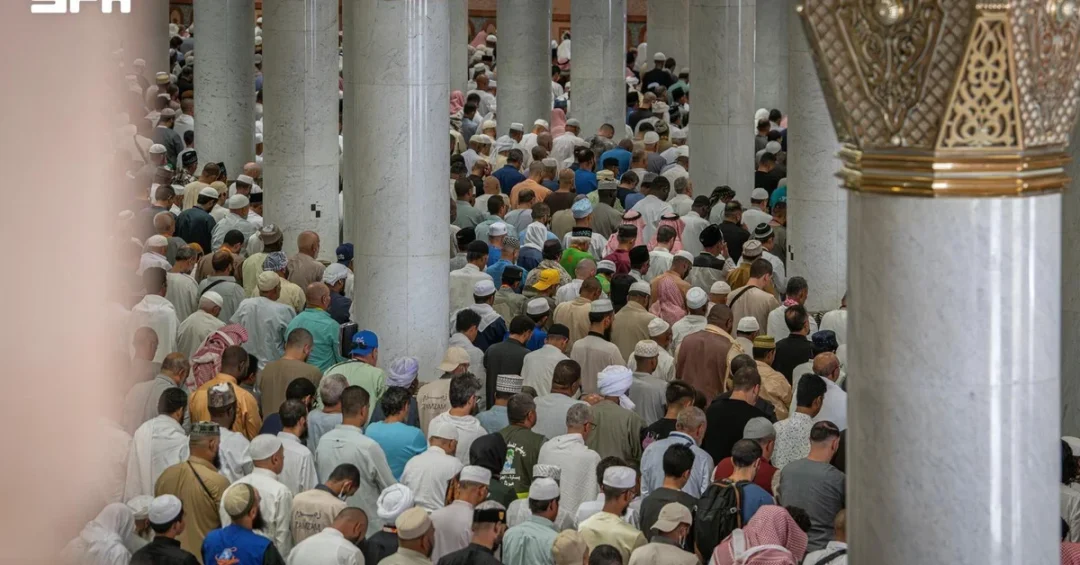
In his Friday sermon delivered at the Prophet’s Mosque in Madinah on September 4, 2026, Imam Sheikh Abdulbari Al-Thubaiti emphasized that beneficial knowledge is the cornerstone of building civilizations and nurturing virtuous individuals, and he highlighted that with the start of the new academic year, education’s true mission extends beyond curriculum delivery to instilling values, shaping character, and serving the nation. The sermon, reported by the Saudi Press Agency (SPA), underscored the pivotal role of teachers in guiding minds and inspiring ambition through compassion and positive role modeling.
Context and Background
The Prophet’s Mosque in Madinah is one of Islam’s holiest sites and a major center for religious learning and guidance. Imam Sheikh Abdulbari Al-Thubaiti is a respected religious scholar who regularly delivers sermons that address contemporary issues. His remarks came as Saudi Arabia begins a new academic year, a period when the Kingdom reaffirms its commitment to education as a driver of progress and a key pillar of Vision 2030. The sermon reflects the longstanding Saudi tradition of integrating moral and religious values with modern education.
Key Details
Sheikh Al-Thubaiti stressed that beneficial knowledge is essential for building civilizations and fostering virtuous individuals. He noted that education’s mission goes beyond textbooks to include character formation and service to the nation. He called on society to honor educators, recognizing their role in shaping future generations. Students were urged to make the most of the academic year, respect their instructors, take pride in their identity, and choose companions who encourage virtue. The Imam also emphasized the responsible use of modern technology to broaden knowledge horizons, warning against misleading content and digital distractions, and he called for critical verification and the preservation of religious and national identity.
Implications and Impact
The sermon carries significant implications for Saudi society and beyond. It reinforces the importance of education in promoting moral values and national identity, aligning with the Kingdom’s efforts to cultivate a knowledge-based economy and a virtuous society. By highlighting the role of teachers, the message supports the education sector’s morale and encourages community respect for educators. The emphasis on responsible technology use addresses contemporary challenges such as misinformation and digital addiction, promoting a balanced approach to learning. This guidance is particularly relevant as students and parents navigate the new academic year, and it resonates with international audiences observing Saudi Arabia’s educational reforms.
Vision 2030 Alignment
This sermon aligns closely with Saudi Vision 2030, which prioritizes education as a foundation for economic diversification and social development. The Vision aims to develop a skilled workforce, promote lifelong learning, and strengthen national identity. Imam Al-Thubaiti’s call to integrate values with education supports the Vision’s human capital development goals. By encouraging students to excel and teachers to inspire, the message contributes to building a generation capable of driving the Kingdom’s future prosperity and maintaining its cultural heritage. The emphasis on responsible technology use also supports the Vision’s digital transformation objectives, ensuring that progress is balanced with ethical considerations.
20 Questions
Q1. Who delivered the Friday sermon at the Prophet’s Mosque?
A1. Imam Sheikh Abdulbari Al-Thubaiti delivered the Friday sermon at the Prophet’s Mosque in Madinah on September 4, 2026.
Q2. What was the main theme of the sermon?
A2. The main theme was the value of education and its role in building civilizations, instilling values, and shaping character, especially at the start of the new academic year.
Q3. When and where was the sermon delivered?
A3. It was delivered on Friday, September 4, 2026, at the Prophet’s Mosque in Madinah, Saudi Arabia.
Q4. What did the Imam say about teachers?
A4. He underscored their pivotal role in guiding minds and inspiring ambition through compassion and positive role modeling, and he called on society to honor educators.
Q5. What advice did the Imam give to students?
A5. He urged students to make the most of the academic year, respect their instructors, take pride in their identity, and choose companions who encourage virtue.
Q6. How does the sermon view the mission of education?
A6. The Imam said education’s true mission extends beyond curriculum delivery to instilling values, shaping character, and serving the nation.
Q7. What did the Imam say about modern technology?
A7. He stressed the importance of utilizing modern technology responsibly to broaden knowledge horizons, warning against misleading content and digital distractions.
Q8. What did the Imam call for regarding digital content?
A8. He called for critical verification and the preservation of religious and national identity when engaging with digital content.
Q9. Why is this sermon significant for Saudi Arabia?
A9. It reinforces the Kingdom’s commitment to education as a driver of progress and aligns with Vision 2030 goals for human capital development and social advancement.
Q10. What is the role of the Prophet’s Mosque in Islamic education?
A10. The Prophet’s Mosque is one of Islam’s holiest sites and a major center for religious learning, guidance, and community gatherings in Madinah.
Q11. How does the sermon reflect Saudi values?
A11. It reflects the Saudi tradition of integrating moral and religious values with modern education, emphasizing virtue, respect, and national identity.
Q12. What impact might this sermon have on Saudi society?
A12. It promotes respect for teachers, encourages students to excel, and fosters a balanced approach to technology, supporting a virtuous and knowledge-based society.
Q13. How does the sermon address the challenges of misinformation?
A13. By warning against misleading content and urging critical verification, the Imam guides the community to discern reliable information and avoid digital distractions.
Q14. What is the significance of the new academic year in the sermon?
A14. It marks a time for renewed focus on education’s holistic mission, including character formation and service to the nation.
Q15. How does the sermon align with Saudi Vision 2030?
A15. It supports the Vision’s emphasis on education, human capital development, and digital transformation balanced with ethical considerations and national identity.
Q16. What message does the Imam convey about national identity?
A16. He calls for preserving religious and national identity while responsibly using technology to broaden knowledge horizons.
Q17. Who reported on the sermon?
A17. The Saudi Press Agency (SPA) reported on the sermon, highlighting its key messages.
Q18. What role do educators play according to the sermon?
A18. Educators guide minds and inspire ambition through compassion and positive role modeling, shaping future generations.
Q19. How can students benefit from the Imam’s advice?
A19. By making the most of the academic year, respecting instructors, choosing virtuous companions, and using technology responsibly for learning.
Q20. What is the broader significance of this sermon for the international audience?
A20. It showcases Saudi Arabia’s commitment to education, moral values, and responsible technology use, offering a model for balancing progress with cultural and religious identity.
Reader Feedback
We value your thoughts. Please share your feedback on this article.
Your feedback helps us improve our coverage.