


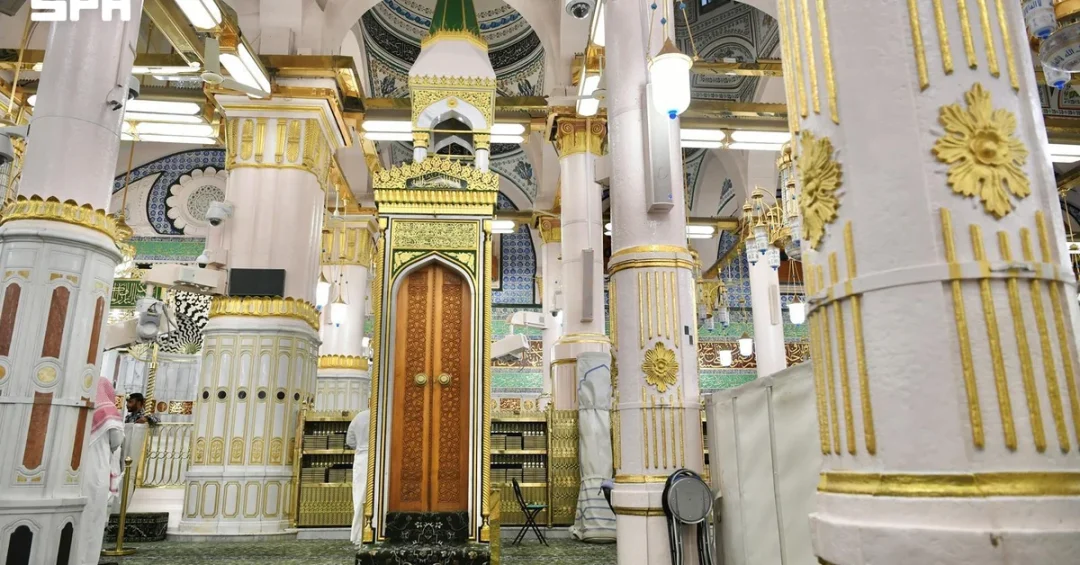
The pulpit of Prophet Muhammad, known as the Prophet’s Pulpit, stands as a profound historical landmark within Al-Rawdah Al-Sharifah in the Prophet’s Mosque in Madinah, dating back to the early years of the Hijrah. According to the General Authority for the Care of the Affairs of the Grand Mosque and the Prophet’s Mosque, the original pulpit was crafted from tamarisk wood and was introduced after the Prophet initially delivered sermons leaning against a palm tree trunk. This sacred site has served as a central place for teaching and guidance, embodying knowledge, heritage, and faith for Muslims worldwide.
Context and Background
The Prophet’s Pulpit holds a unique place in Islamic history. It was established shortly after the migration to Madinah when the growing Muslim community required a more effective means for the Prophet to address congregants. The transition from the palm tree trunk to the tamarisk pulpit marks a significant development in the Prophet’s Mosque’s early history. Over the centuries, the pulpit has been preserved and renovated by various Islamic rulers, underscoring its enduring spiritual and historical importance. The General Authority for the Care of the Affairs of the Grand Mosque and the Prophet’s Mosque continues to oversee its maintenance, ensuring that this symbol of faith remains intact for future generations.
Historical Significance
The pulpit is not merely a piece of furniture but a testament to the Prophet’s role as a teacher and leader. It was from this elevated position that he delivered sermons that shaped the moral and spiritual foundation of the Muslim community. The pulpit’s location in Al-Rawdah Al-Sharifah, a area between the Prophet’s chamber and his pulpit regarded as a garden of Paradise, adds to its sanctity. Pilgrims from around the world visit the Prophet’s Mosque to pray and reflect, drawing inspiration from the site where the Prophet once stood. The pulpit thus remains a living link to the earliest days of Islam, connecting believers to their heritage.
Preservation and Modern Care
Under the leadership of the Custodian of the Two Holy Mosques, King Salman bin Abdulaziz Al Saud, and His Royal Highness Crown Prince Mohammed bin Salman, Saudi Arabia has undertaken extensive efforts to preserve and enhance the Two Holy Mosques. The General Authority for the Care of the Affairs of the Grand Mosque and the Prophet’s Mosque employs advanced techniques to maintain the pulpit’s structural integrity while preserving its historical authenticity. These efforts are part of a broader commitment to serving pilgrims and ensuring that the holy sites remain accessible and safe for millions of visitors annually. The pulpit’s preservation reflects the Kingdom’s dedication to protecting Islamic heritage as a core component of its national identity.
Global Impact and Visitor Experience
For Muslims worldwide, the Prophet’s Pulpit is a source of spiritual inspiration. It symbolizes the Prophet’s teachings of justice, compassion, and knowledge. Visitors to the Prophet’s Mosque often seek to pray in Al-Rawdah Al-Sharifah and view the pulpit, deepening their connection to the Prophet’s legacy. The Saudi government facilitates this experience through comprehensive pilgrim services, including visa facilitation, transportation, and accommodation, ensuring that the journey is fulfilling and comfortable. The pulpit’s global significance is further highlighted during Hajj and Umrah seasons when millions gather in Madinah, reinforcing the city’s role as a beacon of faith and unity.
Vision 2030 Alignment
The preservation of the Prophet’s Pulpit aligns with Saudi Vision 2030’s goals of enhancing religious tourism and cultural heritage. By investing in the upkeep of the Two Holy Mosques and improving pilgrim experiences, the Kingdom aims to welcome an increasing number of visitors while showcasing its rich Islamic history. This initiative not only boosts the local economy but also strengthens Saudi Arabia’s position as a global leader in serving Islam and Muslims. As Vision 2030 progresses, the Prophet’s Pulpit will continue to stand as a testament to the Kingdom’s unwavering commitment to faith, history, and the future.
20 Questions
Q1. What is the Prophet’s Pulpit?
A1. The Prophet’s Pulpit is a historical wooden structure in the Prophet’s Mosque in Madinah, used by Prophet Muhammad for delivering sermons. It dates back to the early years of the Hijrah and remains a symbol of Islamic heritage.
Q2. Where is the Prophet’s Pulpit located?
A2. It is situated in the southwestern section of Al-Rawdah Al-Sharifah within the Prophet’s Mosque in Madinah, Saudi Arabia. This area is highly revered by Muslims as a place of spiritual significance.
Q3. What material was the original pulpit made of?
A3. The original pulpit was crafted from tamarisk wood. It was introduced after the Prophet initially delivered sermons leaning against a palm tree trunk, marking a significant development in the mosque’s history.
Q4. When was the pulpit introduced?
A4. The pulpit dates back to the early years of the Hijrah, following the migration of Prophet Muhammad to Madinah. It was established to facilitate addressing the growing Muslim community.
Q5. Why was the pulpit created?
A5. The pulpit was created to provide an elevated platform for the Prophet to deliver sermons more effectively. It replaced the practice of leaning against a palm tree trunk, enhancing visibility and audibility for the congregation.
Q6. What is the significance of Al-Rawdah Al-Sharifah?
A6. Al-Rawdah Al-Sharifah is a revered area in the Prophet’s Mosque, considered by many as a garden of Paradise. It is located between the Prophet’s chamber and his pulpit, making it a focal point for prayers and reflection.
Q7. How has the pulpit been preserved over centuries?
A7. Various Islamic rulers have maintained and renovated the pulpit over the centuries. Today, the General Authority for the Care of the Affairs of the Grand Mosque and the Prophet’s Mosque oversees its preservation using advanced techniques to ensure its structural integrity.
Q8. Who currently oversees the pulpit’s maintenance?
A8. The General Authority for the Care of the Affairs of the Grand Mosque and the Prophet’s Mosque is responsible for its maintenance. They ensure the pulpit remains intact and authentic for future generations.
Q9. What role did the pulpit play in early Islam?
A9. It served as a central site for teaching and guiding the Muslim community. The Prophet delivered sermons from it, shaping the moral and spiritual foundation of Islam and fostering unity among believers.
Q10. How does the pulpit connect Muslims to their heritage?
A10. The pulpit is a living link to the earliest days of Islam. It inspires pilgrims who visit the Prophet’s Mosque, allowing them to reflect on the Prophet’s teachings and the rich history of the faith.
Q11. What efforts has Saudi Arabia made to preserve the pulpit?
A11. Under the leadership of King Salman and Crown Prince Mohammed bin Salman, Saudi Arabia has undertaken extensive preservation efforts. These include advanced maintenance techniques and improvements to pilgrim services to enhance the visitor experience.
Q12. How does the pulpit impact global Muslims?
A12. It serves as a source of spiritual inspiration worldwide. Muslims visiting Madinah seek to pray in Al-Rawdah Al-Sharifah and view the pulpit, deepening their connection to the Prophet’s legacy and Islamic teachings.
Q13. What services does Saudi Arabia provide for pilgrims visiting the pulpit?
A13. Saudi Arabia offers comprehensive pilgrim services, including visa facilitation, transportation, and accommodation. These ensure a fulfilling and comfortable journey, especially during Hajj and Umrah seasons.
Q14. How does the pulpit align with Vision 2030?
A14. The preservation of the pulpit supports Vision 2030’s goals of enhancing religious tourism and cultural heritage. It aims to welcome more visitors while showcasing Saudi Arabia’s rich Islamic history and commitment to serving Islam.
Q15. What is the economic impact of preserving the pulpit?
A15. Preservation boosts the local economy by attracting pilgrims and tourists, creating jobs, and supporting businesses in Madinah. It also strengthens Saudi Arabia’s position as a global leader in religious tourism.
Q16. Are there any specific renovations to the pulpit?
A16. While details of specific renovations are not provided, the General Authority continuously maintains the pulpit. Renovations are carried out carefully to preserve its historical authenticity and structural integrity.
Q17. Can non-Muslims visit the Prophet’s Pulpit?
A17. Non-Muslims are not permitted to enter the Prophet’s Mosque. However, the pulpit’s historical and spiritual significance is recognized globally, and its preservation is part of Islamic heritage.
Q18. What is the spiritual significance of the pulpit?
A18. The pulpit symbolizes the Prophet’s role as a teacher and leader. It represents the dissemination of knowledge, justice, and compassion, serving as a focal point for Muslims to connect with their faith and heritage.
Q19. How does the pulpit reflect Saudi Arabia’s commitment to Islam?
A19. Saudi Arabia’s dedication to preserving the pulpit demonstrates its role as the custodian of Islam’s holiest sites. It reflects the Kingdom’s unwavering commitment to serving Muslims and protecting Islamic heritage.
Q20. What future plans exist for the pulpit’s preservation?
A20. Future plans include continued maintenance and enhancements under Vision 2030, ensuring the pulpit remains a symbol of faith for generations. Saudi Arabia aims to improve pilgrim experiences while preserving historical authenticity.
Reader Feedback
We value your thoughts. Please share your feedback on this article.
Your feedback helps us improve our coverage.