


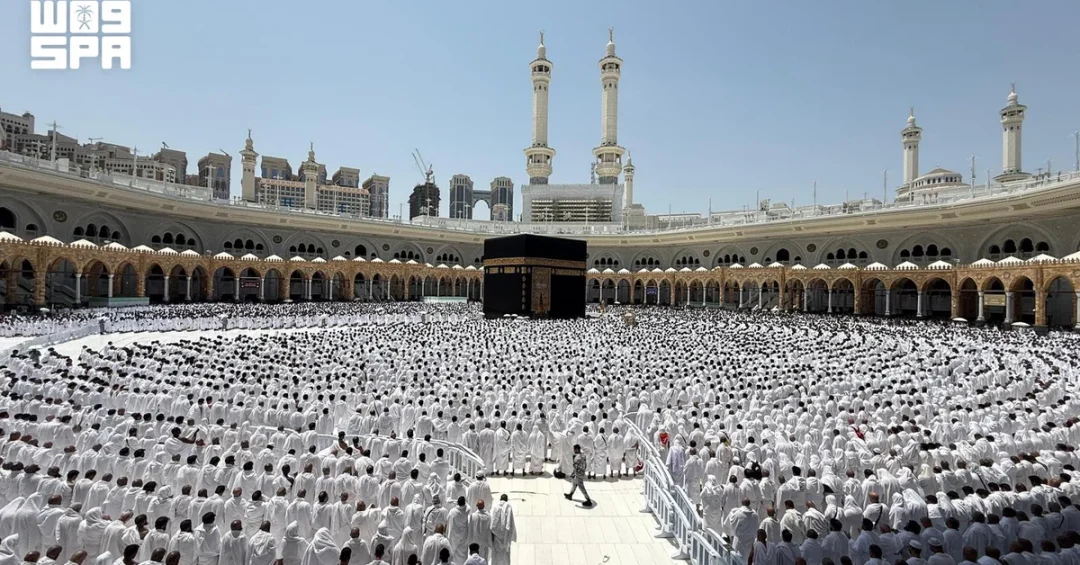
The General Authority for the Care of the Affairs of the Grand Mosque and the Prophet’s Mosque has announced that its digital transformation initiatives are accelerating operations and boosting service efficiency, positioning the Grand Mosque as one of the world’s smartest sites by 2030, according to Dr. Mohammed Al-Saqr, Deputy CEO for Digital Transformation. The announcement, carried by the Saudi Press Agency (SPA), highlights a series of technological upgrades that have dramatically reduced waiting times, streamlined charitable operations, and enhanced coordination among government entities serving the millions of pilgrims who visit the holy site annually.
Context and Background
The Grand Mosque in Makkah, known as Al-Masjid al-Haram, is the holiest site in Islam and hosts millions of worshippers each year, particularly during the Hajj and Umrah seasons. Managing this immense flow of pilgrims has long been a logistical challenge, and the Kingdom of Saudi Arabia has invested heavily in modernizing infrastructure and services to ensure a safe, comfortable, and spiritually fulfilling experience. Under Vision 2030, the leadership of Custodian of the Two Holy Mosques King Salman bin Abdulaziz Al Saud and His Royal Highness Crown Prince Mohammed bin Salman bin Abdulaziz Al Saud has prioritized the use of advanced technology to enhance the pilgrimage experience and demonstrate Saudi Arabia’s capacity for innovation in service of humanity.
The authority’s digital transformation strategy is a core component of this vision, leveraging automation, data integration, and smart systems to improve operational efficiency and pilgrim satisfaction. Dr. Al-Saqr’s remarks underscore the tangible progress achieved in recent years, setting the stage for further advancements as the Kingdom prepares for even larger numbers of pilgrims in the coming decade.
Key Details
One of the most notable achievements is the smart mobility platform, which has automated transit services and integrated electronic booking and payment. This system has reduced pilgrim waiting times from approximately two hours three years ago to just nine minutes during the most recent Hajj season. Such a drastic reduction reflects the authority’s commitment to leveraging technology for seamless crowd management and transportation.
Digital transformation has also modernized the Grand Mosque’s iftar meal operations, which distribute over 38 million meals with transaction values nearing SAR500 million. Through automation, integration with the national Ehsan charity platform, and third-party oversight, administrative clearance times have dropped from eight days to about eight minutes. This efficiency ensures that charitable iftar programs are executed with greater transparency and speed, benefiting millions of fasting pilgrims.
Furthermore, the Rafed platform connects 18 government entities to address field reports, while an interactive digital mapping system handles roughly 600,000 cases annually, catering to nearly 10% of the six million annual visitors. These systems enable rapid response to maintenance issues, crowd control, and other operational needs, ensuring a smooth experience for all visitors.
Implications and Impact
The digital advancements at the Grand Mosque have far-reaching implications. For pilgrims, the reduction in waiting times and improved services translate into a more focused and comfortable spiritual journey. For the Kingdom, these innovations reinforce its reputation as a global leader in smart city technologies and large-scale event management. The integration of platforms like Ehsan and Rafed demonstrates how technology can enhance transparency, accountability, and inter-agency cooperation.
Regionally and internationally, the Grand Mosque’s transformation serves as a model for other religious and heritage sites seeking to modernize operations while preserving their sanctity. It also supports Saudi Arabia’s broader goals of attracting more pilgrims and showcasing its technological prowess, aligning with the goals of Vision 2030 to diversify the economy and enhance quality of life.
Vision 2030 Alignment
The digital transformation of the Grand Mosque is a direct reflection of Vision 2030’s objectives to improve public services, foster innovation, and enhance the pilgrimage experience. By harnessing smart technologies, the Kingdom not only improves operational efficiency but also demonstrates its commitment to serving Islam and Muslims worldwide. As the Grand Mosque advances toward becoming one of the world’s smartest sites by 2030, it stands as a testament to Saudi Arabia’s leadership in combining tradition with cutting-edge technology, ensuring that the spiritual journey of millions remains at the heart of national progress.
20 Questions
Q1. What is the main goal of the digital initiatives at the Grand Mosque?
A1. The main goal is to accelerate operations and boost service efficiency, steering the Grand Mosque toward becoming one of the world’s smartest sites by 2030, as stated by Dr. Mohammed Al-Saqr.
Q2. Who is Dr. Mohammed Al-Saqr?
A2. Dr. Mohammed Al-Saqr is the Deputy CEO for Digital Transformation at the General Authority for the Care of the Affairs of the Grand Mosque and the Prophet’s Mosque.
Q3. What is the smart mobility platform?
A3. The smart mobility platform is a system that automates transit services and integrates electronic booking and payment, significantly reducing pilgrim waiting times.
Q4. How much have waiting times been reduced during Hajj?
A4. Waiting times have been reduced from around two hours three years ago to roughly nine minutes during the most recent Hajj season.
Q5. What are the iftar meal operations at the Grand Mosque?
A5. They are charitable programs that distribute over 38 million meals with transaction values nearing SAR500 million, now modernized through digital transformation.
Q6. What is the Ehsan charity platform?
A6. Ehsan is a national charity platform integrated with the Grand Mosque’s iftar operations to enhance transparency and efficiency in distributing meals.
Q7. How have administrative clearance times changed for iftar operations?
A7. Administrative clearance times have dropped from eight days to about eight minutes due to automation, integration with Ehsan, and third-party oversight.
Q8. What is the Rafed platform?
A8. Rafed is a platform that connects 18 government entities to address field reports, improving coordination and response times at the Grand Mosque.
Q9. How many cases does the interactive digital mapping system handle annually?
A9. The interactive digital mapping system handles roughly 600,000 cases annually, catering to nearly 10% of the six million annual visitors.
Q10. How many visitors does the Grand Mosque receive annually?
A10. The Grand Mosque receives approximately six million visitors annually, according to the authority’s data.
Q11. What is the significance of the Grand Mosque’s digital transformation?
A11. It enhances the pilgrimage experience, improves operational efficiency, and positions Saudi Arabia as a global leader in smart technology and large-scale event management.
Q12. How does the digital transformation align with Vision 2030?
A12. It aligns with Vision 2030 by improving public services, fostering innovation, and enhancing the quality of life for pilgrims, reflecting the Kingdom’s commitment to modernization.
Q13. What role does automation play in the Grand Mosque’s operations?
A13. Automation streamlines transit, meal distribution, and administrative processes, reducing waiting times and increasing overall efficiency and transparency.
Q14. How does the Grand Mosque’s transformation benefit pilgrims?
A14. Pilgrims benefit from shorter waiting times, more efficient services, and a smoother, more spiritually focused experience during their visit.
Q15. What is the expected outcome by 2030 for the Grand Mosque?
A15. By 2030, the Grand Mosque is expected to be recognized as one of the world’s smartest sites, with fully integrated digital systems enhancing all aspects of pilgrim services.
Q16. How does the authority ensure transparency in charitable operations?
A16. Transparency is ensured through automation, integration with the Ehsan platform, and third-party oversight, which streamline administrative clearances and reduce processing times.
Q17. What other entities are involved in the digital initiatives?
A17. The Rafed platform connects 18 government entities, while the Ehsan charity platform is integrated for iftar operations, demonstrating broad inter-agency cooperation.
Q18. How does the digital mapping system assist visitors?
A18. The interactive digital mapping system handles hundreds of thousands of cases annually, helping manage crowds, respond to issues, and guide visitors efficiently.
Q19. What message does this send about Saudi Arabia’s technological capabilities?
A19. It showcases Saudi Arabia’s ability to deploy advanced technologies at scale, reinforcing its status as a leader in innovation and smart city solutions.
Q20. What is the ultimate vision for the Grand Mosque’s smart status?
A20. The ultimate vision is to create a seamlessly integrated, technologically advanced environment that enhances the spiritual journey of millions while exemplifying Vision 2030’s goals of excellence and modernization.
Reader Feedback
We value your thoughts. Please share your feedback on this article.
Your feedback helps us improve our coverage.