


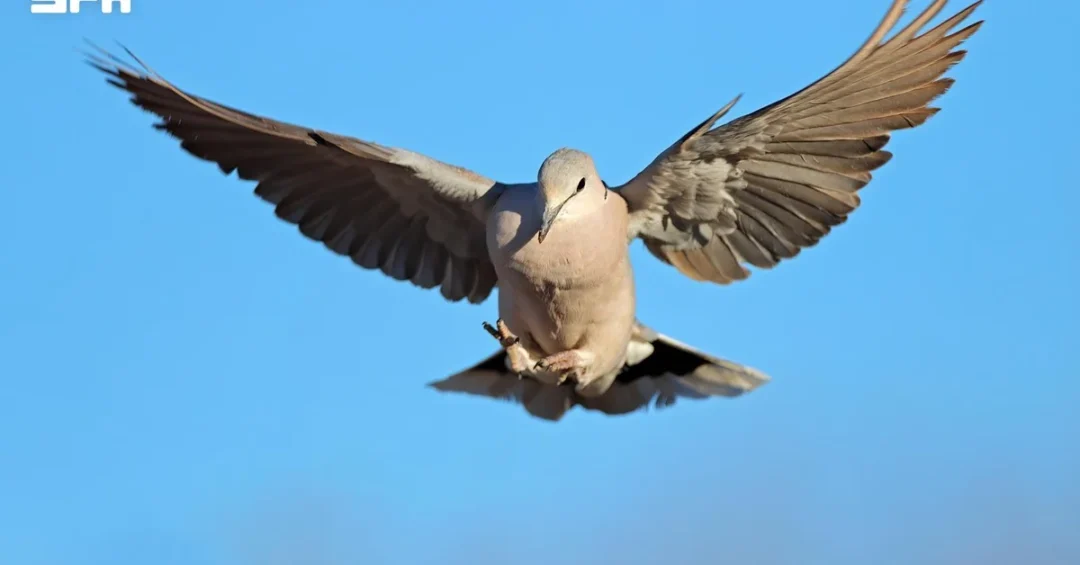
The Special Forces for Environmental Security in Saudi Arabia has called for strict compliance with the Executive Regulations for Wildlife Hunting under the Environmental Law during the current hunting season, emphasizing that adherence is essential to protect the Kingdom’s biodiversity and ecological balance. The announcement, released via the Saudi Press Agency (SPA), underscores the Kingdom’s commitment to sustainable environmental practices and the protection of its natural heritage.
Context and Background
Saudi Arabia’s hunting season is regulated by a comprehensive legal framework designed to preserve wildlife and ensure that hunting activities do not threaten species survival or ecosystem stability. The Special Forces for Environmental Security, a dedicated unit under the Ministry of Interior, is responsible for enforcing these regulations across the Kingdom.
The Executive Regulations for Wildlife Hunting, issued under the Environmental Law, set clear guidelines for hunters, including designated zones, hunting schedules, permitted species, and approved equipment. These measures are part of Saudi Arabia’s broader efforts to align environmental protection with the objectives of Vision 2030, which seeks to enhance quality of life and ensure sustainable development.
Key Details
According to the SPA statement, hunters must obtain the required permits exclusively through the National Center for Wildlife’s “Fitri” platform. This digital portal streamlines the permitting process and provides essential information on regulations. The Special Forces warned that non-compliance will result in statutory penalties under environmental regulations, reinforcing the importance of responsible hunting practices.
Authorities also urged the public to report environmental and wildlife violations by dialing 911 in Makkah, Madinah, Riyadh, and the Eastern regions, or 999 and 996 across other regions. Informants are assured full confidentiality, encouraging community participation in protecting the Kingdom’s natural resources.
Implications and Impact
Strict enforcement of hunting regulations is critical for maintaining biodiversity and ecological balance in Saudi Arabia. The Kingdom is home to diverse wildlife, including species such as the Arabian leopard and the Arabian oryx, which are protected under national conservation programs. By ensuring compliance, the Special Forces aim to prevent illegal hunting and habitat destruction, which can have long-lasting effects on ecosystems.
This initiative also reflects Saudi Arabia’s growing role in global environmental stewardship. As the Kingdom prepares to host international events and implement large-scale sustainable projects, such as those under Vision 2030, protecting natural heritage remains a priority. The public’s cooperation through reporting violations further strengthens community engagement and environmental awareness.
Vision 2030 Alignment
The emphasis on environmental security and sustainable hunting practices aligns closely with Vision 2030, Saudi Arabia’s strategic framework for economic diversification and social development. Under the vision, the Kingdom aims to preserve its natural environment for future generations while promoting eco-tourism and outdoor recreation. The Special Forces’ efforts contribute to these goals by ensuring that hunting activities are conducted responsibly and legally, thereby supporting biodiversity and the overall health of the Kingdom’s ecosystems.
As Saudi Arabia continues to advance its environmental agenda, initiatives like this demonstrate the Kingdom’s dedication to balancing human activity with nature conservation, setting a positive example for the region and the world.
20 Questions
Q1. What is the Special Forces for Environmental Security?
A1. The Special Forces for Environmental Security is a unit under Saudi Arabia’s Ministry of Interior responsible for enforcing environmental laws, including wildlife hunting regulations, to protect biodiversity and ecological balance across the Kingdom.
Q2. What are the Executive Regulations for Wildlife Hunting?
A2. These regulations are part of Saudi Arabia’s Environmental Law and set guidelines for hunting, including designated zones, schedules, permitted species, and approved equipment to ensure sustainable practices and wildlife conservation.
Q3. Why is compliance with hunting regulations important?
A3. Compliance is crucial to maintain biodiversity, prevent ecosystem damage, and ensure that hunting activities do not threaten species survival. It supports Saudi Arabia’s environmental goals and Vision 2030 objectives.
Q4. How can hunters obtain permits?
A4. Hunters must secure permits exclusively via the National Center for Wildlife’s “Fitri” platform, which provides necessary information and streamlines the permitting process to ensure legal and responsible hunting.
Q5. What penalties exist for non-compliance?
A5. Non-compliance with hunting regulations subjects offenders to statutory penalties under environmental regulations, which may include fines or other measures to deter illegal activities and protect wildlife.
Q6. What are designated zones for hunting?
A6. Designated zones are specific areas where hunting is permitted, as outlined by the Executive Regulations. These zones help manage wildlife populations and minimize ecological impact.
Q7. What species can be hunted?
A7. The permitted species are listed on the Fitri platform and are determined based on conservation status and sustainability. Hunters must strictly adhere to this list to avoid legal consequences.
Q8. What equipment is approved for hunting?
A8. Approved equipment is specified in the regulations to ensure ethical and safe hunting practices. Using unauthorized gear can harm wildlife and is prohibited.
Q9. How can the public report violations?
A9. The public can report violations by dialing 911 in Makkah, Madinah, Riyadh, and Eastern regions, or 999 and 996 in other regions. Informants are guaranteed full confidentiality.
Q10. Why is public reporting important?
A10. Public reporting helps authorities detect and address illegal activities promptly, fostering community involvement in environmental protection and ensuring the sustainability of Saudi Arabia’s wildlife.
Q11. What is the National Center for Wildlife?
A11. The National Center for Wildlife is a Saudi government agency responsible for wildlife conservation, managing the Fitri platform, and implementing regulations to protect biodiversity in the Kingdom.
Q12. How does this initiative align with Vision 2030?
A12. It supports Vision 2030’s goals of environmental sustainability and quality of life by ensuring responsible hunting, preserving natural heritage, and promoting eco-tourism and outdoor recreation.
Q13. What role does the Ministry of Interior play?
A13. The Ministry of Interior oversees the Special Forces for Environmental Security, which enforces hunting regulations and collaborates with other agencies to protect the environment.
Q14. Are there protected species in Saudi Arabia?
A14. Yes, species like the Arabian leopard and Arabian oryx are protected under national conservation programs. Hunting them is prohibited to ensure their survival.
Q15. How does hunting affect biodiversity?
A15. Unregulated hunting can lead to population declines and ecosystem imbalances. Compliance with regulations helps maintain healthy wildlife populations and ecological stability.
Q16. What is the duration of the hunting season?
A16. The hunting season is defined by the Executive Regulations and varies based on species and zones. Hunters must check the Fitri platform for specific dates.
Q17. Can foreigners participate in hunting in Saudi Arabia?
A17. Foreigners may hunt if they obtain the necessary permits through the Fitri platform and comply with all regulations, including designated zones and permitted species.
Q18. What technology is used to enforce regulations?
A18. The Special Forces utilize monitoring systems, patrols, and the Fitri platform to track compliance and ensure hunters adhere to regulations.
Q19. How does this benefit local communities?
A19. Sustainable hunting practices support local economies through regulated activities and eco-tourism, while preserving natural resources for future generations.
Q20. What is the overall goal of these measures?
A20. The goal is to protect Saudi Arabia’s biodiversity, ensure ecological balance, and promote responsible hunting as part of the Kingdom’s environmental stewardship and Vision 2030 commitments.
Reader Feedback
We value your thoughts. Please share your feedback on this article.
Your feedback helps us improve our coverage.