


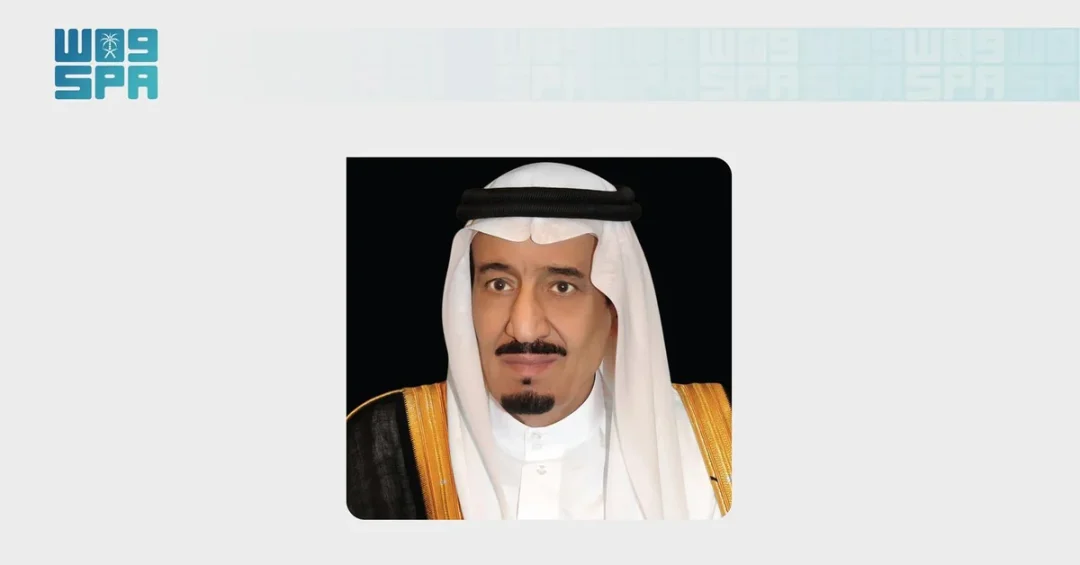
Riyadh, September 04, 2026 — The Custodian of the Two Holy Mosques, King Salman bin Abdulaziz Al Saud, has issued a royal order promoting and appointing 34 judges at the Board of Grievances, in a move that underscores the Kingdom’s commitment to strengthening its administrative judiciary. The royal order was announced by the Saudi Press Agency (SPA) and reflects the ongoing support of the Saudi leadership for the judicial sector, particularly the Board of Grievances, which plays a vital role in ensuring justice and upholding the rule of law in the Kingdom.
Context and Background
The Board of Grievances is an independent judicial body in Saudi Arabia with jurisdiction over administrative disputes, disciplinary cases, and certain criminal matters. It operates under the Administrative Judiciary Council, which is chaired by Dr. Ali bin Ahmed Al-Ohaydib, who also serves as the President of the Board of Grievances. The Board has undergone significant development in recent years as part of the broader judicial reforms under Saudi Vision 2030, which aims to enhance the efficiency, transparency, and accessibility of the Kingdom’s legal system.
This royal order comes at a time when Saudi Arabia is accelerating its efforts to modernize its judiciary and align it with international best practices. The promotion and appointment of judges is a routine yet crucial process that ensures the judiciary is staffed with qualified and experienced personnel capable of handling complex administrative cases. It also reflects the leadership’s recognition of the judiciary’s role in supporting economic and social development by providing a reliable legal framework for investors and citizens alike.
Key Details
According to the Saudi Press Agency, the royal order promotes and appoints 34 judges to various positions within the Board of Grievances. Dr. Ali bin Ahmed Al-Ohaydib, President of the Board of Grievances and Chairman of the Administrative Judiciary Council, expressed his gratitude to the Custodian of the Two Holy Mosques and HRH the Crown Prince for their continuous support. He noted that the administrative judiciary enjoys the direct attention and follow-up of the Crown Prince, which is reflected in this royal order.
Dr. Al-Ohaydib emphasized that the order will motivate judges and personnel, and advance the administrative judiciary. He also highlighted that such support is instrumental in enhancing the performance of the Board and ensuring the delivery of justice in a timely and effective manner. The names of the promoted and appointed judges were not disclosed in the initial announcement, but the order is expected to be implemented immediately.
Implications and Impact
The promotion and appointment of judges at the Board of Grievances have significant implications for Saudi Arabia’s legal landscape. A well-functioning administrative judiciary is essential for holding government agencies accountable and ensuring that administrative decisions are made in accordance with the law. This, in turn, boosts investor confidence and supports the Kingdom’s business environment, which is a key pillar of Vision 2030.
Moreover, the royal order signals the leadership’s continued commitment to judicial independence and the rule of law. By investing in human capital within the judiciary, Saudi Arabia is strengthening its institutions and preparing them to handle the growing volume and complexity of cases that arise from the Kingdom’s rapid economic and social transformation. This move also aligns with the National Transformation Program, which includes initiatives to improve the efficiency of the judicial system and reduce the time required to resolve disputes.
Internationally, the development reinforces Saudi Arabia’s image as a country that respects the rule of law and is dedicated to continuous improvement in governance. It also demonstrates that the Kingdom’s judicial reforms are not just theoretical but are being implemented through concrete actions such as promotions and appointments based on merit and experience.
Vision 2030 Alignment
This royal order is a clear manifestation of Saudi Vision 2030’s objective to enhance government effectiveness and accountability. By strengthening the administrative judiciary, the Kingdom is ensuring that its legal framework supports the ambitious economic and social reforms underway. The Board of Grievances, with its expanded and motivated judiciary, will play a pivotal role in adjudicating disputes fairly and efficiently, thereby contributing to a business-friendly environment and protecting the rights of individuals and entities.
As Saudi Arabia continues its journey towards a diversified and sustainable economy, a robust and independent judiciary will remain a cornerstone of its success. The Custodian of the Two Holy Mosques’ royal order is yet another step in this direction, reflecting the leadership’s unwavering dedication to justice and the prosperity of the nation.
20 Questions
Q1. What did the Custodian of the Two Holy Mosques issue?
A1. King Salman bin Abdulaziz Al Saud issued a royal order promoting and appointing 34 judges at the Board of Grievances.
Q2. When was the royal order announced?
A2. The royal order was announced on September 04, 2026, according to the Saudi Press Agency.
Q3. What is the Board of Grievances?
A3. The Board of Grievances is an independent judicial body in Saudi Arabia that handles administrative disputes and disciplinary cases.
Q4. Who is the President of the Board of Grievances?
A4. Dr. Ali bin Ahmed Al-Ohaydib serves as the President of the Board of Grievances and Chairman of the Administrative Judiciary Council.
Q5. How many judges were promoted and appointed?
A5. A total of 34 judges were promoted and appointed by the royal order.
Q6. What did Dr. Al-Ohaydib say about the royal order?
A6. He said the administrative judiciary enjoys the support of the King and Crown Prince, and the order motivates judges and advances the judiciary.
Q7. Why is this royal order significant?
A7. It strengthens the administrative judiciary, supports justice, and aligns with Saudi Vision 2030 reforms.
Q8. What is the role of the Administrative Judiciary Council?
A8. The Council oversees the administrative judiciary and is chaired by Dr. Ali bin Ahmed Al-Ohaydib.
Q9. How does this order support Vision 2030?
A9. It enhances government effectiveness and accountability, key objectives of Vision 2030.
Q10. What types of cases does the Board of Grievances handle?
A10. It handles administrative disputes, disciplinary cases, and certain criminal matters involving government agencies.
Q11. Who announced the royal order?
A11. The royal order was announced by the Saudi Press Agency (SPA).
Q12. What impact will this have on the judiciary?
A12. It will motivate judges, improve efficiency, and enhance the delivery of justice in administrative cases.
Q13. Are the names of the judges disclosed?
A13. The initial announcement did not disclose the names of the promoted and appointed judges.
Q14. How does this order affect investors?
A14. A stronger administrative judiciary boosts investor confidence by ensuring fair and timely resolution of disputes.
Q15. What is the National Transformation Program?
A15. It is a Vision 2030 program that includes initiatives to improve judicial efficiency and reduce dispute resolution times.
Q16. What did Dr. Al-Ohaydib say about the Crown Prince’s role?
A16. He said the Crown Prince provides attention and follow-up to the administrative judiciary, as reflected in the royal order.
Q17. How does this order reflect judicial independence?
A17. It shows the leadership’s commitment to strengthening the judiciary through merit-based promotions and appointments.
Q18. What is the significance of promoting judges?
A18. It recognizes their experience and motivates them to uphold justice and the rule of law.
Q19. How does this order benefit Saudi citizens?
A19. It ensures faster and fairer resolution of administrative disputes, protecting citizens’ rights.
Q20. What does this mean for Saudi Arabia’s global image?
A20. It reinforces the Kingdom’s reputation for upholding the rule of law and continuous judicial improvement.
Reader Feedback
We value your thoughts. Please share your feedback on this article.
Your feedback helps us improve our coverage.