


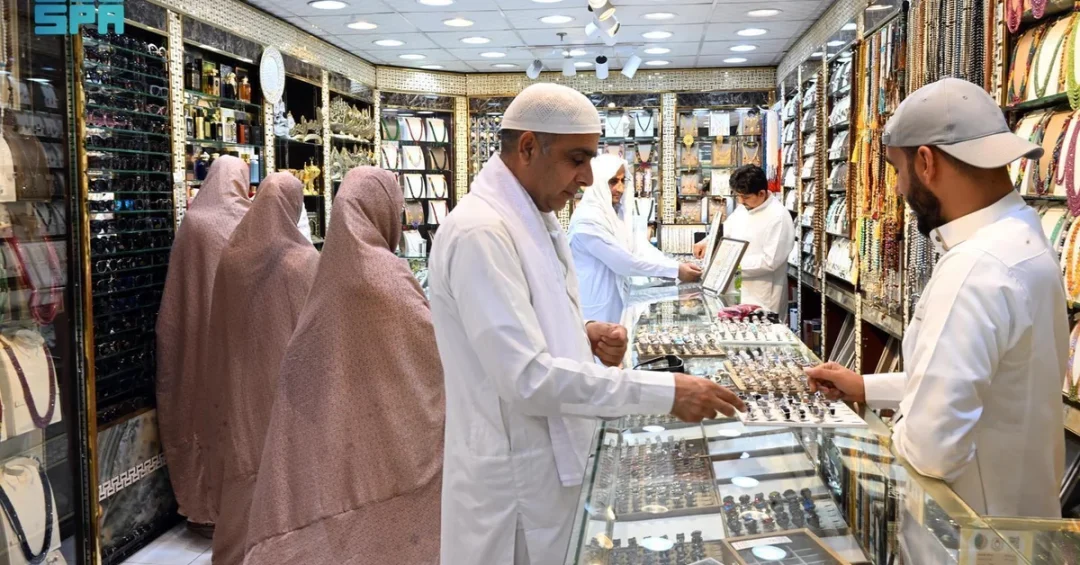
Pilgrims departing Madinah after completing Hajj are concluding their spiritual journey by purchasing gifts and souvenirs to share with loved ones back home, according to the Saudi Press Agency (SPA). The pilgrims, who have been blessed with the opportunity to perform Hajj and visit the Prophet’s Mosque, are eagerly shopping for mementos that capture the essence of their pilgrimage. These items, ranging from gold and dates to prayer beads and Zamzam water, serve as tangible reminders of their sacred experience.
Context and Background
Madinah, the second holiest city in Islam, holds profound significance for Muslims worldwide. Following Hajj, many pilgrims extend their stay to visit the Prophet’s Mosque and other historical landmarks, seeking spiritual enrichment. The tradition of buying souvenirs has become an integral part of the pilgrimage experience, allowing pilgrims to share their journey with family and friends. The Saudi Press Agency (SPA) documented the vibrant scenes of pilgrims shopping enthusiastically before their departure, highlighting the cultural and economic importance of this practice.
Key Details
Pilgrims are purchasing a variety of items, including gold, dates, prayer beads, silver rings, and locally made products from Madinah. Zamzam water bottles, specifically designated for air transport, are also popular among those wishing to bring a piece of the holy land home. These souvenirs not only serve as mementos but also support the local economy, as many products are sourced from small businesses and artisans in the region. The SPA’s coverage underscores the joyful atmosphere as pilgrims prepare to return to their home countries.
Implications and Impact
The shopping spree by pilgrims has significant economic implications for Madinah and Saudi Arabia. It boosts local commerce, particularly in the retail and handicraft sectors, and contributes to the broader economic diversification goals of the Kingdom. Moreover, the positive experience of pilgrims enhances Saudi Arabia’s reputation as a gracious host, fostering goodwill internationally. This annual influx of pilgrims also strengthens cultural ties, as the gifts carry stories of the pilgrimage to diverse communities around the world.
Vision 2030 Alignment
This thriving souvenir trade aligns with Saudi Vision 2030, which aims to diversify the economy and promote cultural heritage. By supporting local artisans and businesses, the Kingdom not only enhances the pilgrimage experience but also showcases its rich cultural tapestry to the world. As pilgrims return home with these treasures, they become ambassadors of Saudi hospitality and the transformative power of Hajj, further solidifying the Kingdom’s role as a global leader in serving Islam and Muslims.
20 Questions
Q1. What are pilgrims buying as souvenirs in Madinah?
A1. Pilgrims are purchasing gold, dates, prayer beads, silver rings, locally made products, and Zamzam water bottles. These items serve as mementos of their spiritual journey and are intended as gifts for family and friends back home.
Q2. Why is Madinah significant for pilgrims?
A2. Madinah is home to the Prophet’s Mosque, a site of deep spiritual importance. Pilgrims often extend their stay after Hajj to pray there and visit historical landmarks, seeking to enrich their religious experience.
Q3. How does the souvenir trade benefit the local economy?
A3. The trade supports local businesses and artisans by generating revenue, particularly in retail and handicrafts. It contributes to economic diversification and aligns with Saudi Vision 2030 goals of boosting non-oil sectors.
Q4. What is the role of the Saudi Press Agency (SPA) in this context?
A4. SPA documents the activities of pilgrims, including their shopping for souvenirs, to highlight the positive aspects of the pilgrimage experience and showcase Saudi Arabia’s hospitality to a global audience.
Q5. Are Zamzam water bottles allowed on flights?
A5. Yes, Zamzam water bottles are specifically designated for air transport, allowing pilgrims to carry this blessed water home. Airlines and authorities facilitate this to accommodate religious traditions.
Q6. How does this practice reflect Saudi Vision 2030?
A6. It aligns with Vision 2030 by promoting cultural heritage, supporting local artisans, and enhancing the pilgrimage experience. It also contributes to economic diversification by boosting local commerce.
Q7. What historical landmarks do pilgrims visit in Madinah?
A7. Pilgrims visit significant sites such as the Quba Mosque, Qiblatain Mosque, and Uhud Mountain. These visits are part of the spiritual journey and offer historical and religious context.
Q8. How do souvenirs serve as mementos?
A8. Souvenirs like prayer beads and dates remind pilgrims of their sacred journey. They also serve as conversation starters, allowing pilgrims to share their experiences with loved ones and reinforce cultural ties.
Q9. What is the economic impact of Hajj on Saudi Arabia?
A9. Hajj generates significant revenue through transportation, accommodation, and retail. It supports job creation and infrastructure development, contributing to the Kingdom’s economic growth and diversification efforts.
Q10. How does Saudi Arabia ensure a smooth pilgrimage experience?
A10. Saudi authorities provide extensive services, including visa facilitation, healthcare, transportation, and security. These efforts ensure pilgrims can focus on their spiritual journey and return home safely.
Q11. What types of locally made products are popular?
A11. Popular items include prayer rugs, incense, traditional clothing, and handmade crafts. These products reflect Madinah’s cultural heritage and are sought after for their authenticity and quality.
Q12. How does the shopping experience enhance pilgrimage?
A12. Shopping for souvenirs adds a joyful and communal aspect to the pilgrimage. It allows pilgrims to engage with local culture and bring back tangible memories, deepening their connection to the experience.
Q13. What role do dates play in Saudi culture?
A13. Dates are a staple of Saudi hospitality and a symbol of generosity. They are often given as gifts and are particularly valued during Hajj and Ramadan for their nutritional and cultural significance.
Q14. How are pilgrims assisted during their shopping?
A14. Local vendors and shops cater to pilgrims with multilingual staff and convenient locations near hotels and the Prophet’s Mosque. Authorities ensure fair pricing and quality to enhance the experience.
Q15. What is the significance of gold and silver items?
A15. Gold and silver jewelry are treasured gifts, often worn or kept as heirlooms. They represent both material value and spiritual remembrance, making them meaningful souvenirs from the holy land.
Q16. How does this practice promote international goodwill?
A16. Pilgrims returning with gifts share positive stories of their experience, fostering appreciation for Saudi Arabia’s role in hosting Hajj. This builds cultural bridges and enhances the Kingdom’s global image.
Q17. What measures ensure the safety of pilgrims?
A17. Saudi Arabia implements comprehensive security, health, and logistical measures, including crowd management and medical services. These ensure a safe and orderly pilgrimage for all attendees.
Q18. How does the souvenir trade support small businesses?
A18. Small businesses and artisans gain direct revenue from pilgrim purchases, helping sustain local livelihoods. This support aligns with Vision 2030’s goal of empowering small and medium enterprises.
Q19. What is the typical duration of a pilgrim’s stay in Madinah?
A19. Many pilgrims stay for several days after Hajj to visit religious sites and shop. The duration varies, but often includes at least a few days to fully immerse in the spiritual atmosphere.
Q20. How does this annual event reflect Saudi Arabia’s commitment to Islam?
A20. By facilitating Hajj and ensuring a memorable experience, Saudi Arabia demonstrates its dedication to serving Islam and Muslims. It reinforces the Kingdom’s role as the custodian of the Two Holy Mosques.
Reader Feedback
We value your thoughts. Please share your feedback on this article.
Your feedback helps us improve our coverage.
Related articles
 Pilgrims Enjoy Spiritual Atmosphere at the Prophet’s Mosque
 City Walk Garden Attracts Visitors to Jeddah Season 2024
 Haramain High Speed Railway Transports 1.07M Pilgrims
 Jeddah Season’s MotoSurf Cup Thrills at Obhur Corniche
 Hadiyah Distributes Over Two Million Water Bottles to Prophet’s Mosque Visitors
 Islamic Affairs Ministry Offers Dawah in 45 Languages for Umrah