


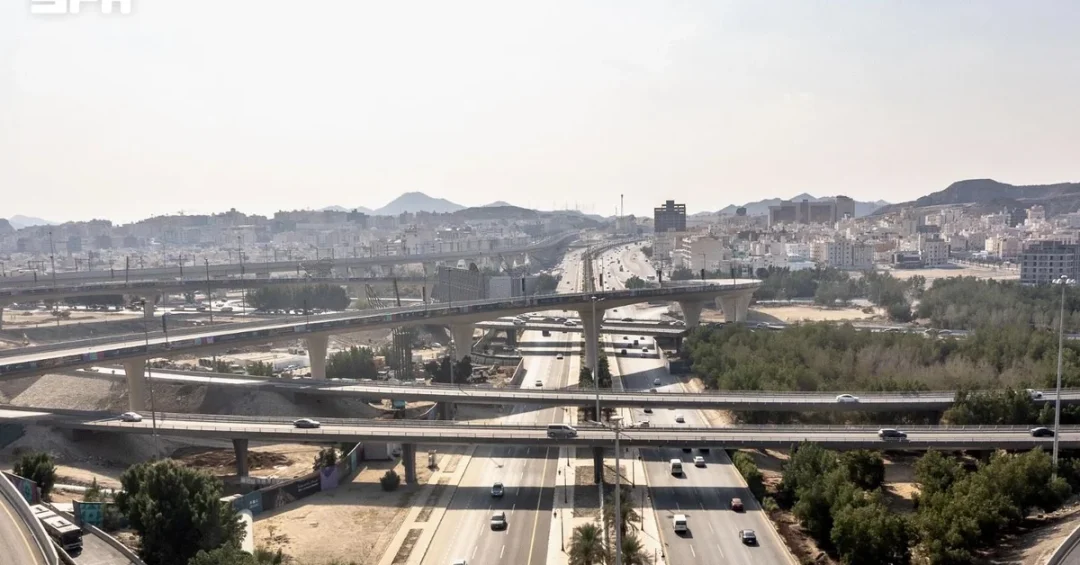
The Roads General Authority has announced that it currently manages more than 4,100 bridges across the Kingdom of Saudi Arabia, underscoring the nation’s rapid infrastructure development and commitment to maintaining world-class transport networks. The announcement, released via the Saudi Press Agency, highlights the breadth and diversity of the Kingdom’s bridge infrastructure, from historic structures to cutting-edge marine crossings.
Context and Background
Saudi Arabia’s road network is one of the most extensive in the region, connecting major cities, rural communities, and key economic zones. The Roads General Authority, the government body responsible for planning, constructing, and maintaining the Kingdom’s road infrastructure, oversees this vast network. The management of over 4,100 bridges reflects the scale of investment in transportation as part of Saudi Vision 2030, which aims to position the Kingdom as a global logistics hub and enhance quality of life for citizens and residents.
Key Details
The authority revealed that the Shari–Hail Road Bridge is the oldest bridge still in service, having been operational for more than 57 years. This bridge stands as a testament to the durability and engineering standards applied across the Kingdom’s infrastructure. In contrast, the Safwa–Rahima Sea Bridge is the newest addition and ranks among the Kingdom’s longest dual marine bridges, stretching 3.2 kilometers.
The Kingdom’s highest bridge, standing 55 meters tall, is located at Al-Juwah Pass, connecting the city of Abha with Muhayil Aseer Governorate. This bridge is a critical link in the mountainous Asir region, facilitating safe and efficient travel.
The authority emphasized that all bridge designs comply with the Saudi Road Code, ensuring safety, durability, and sustainability while accounting for each region’s distinct environmental and climatic conditions. The bridges vary in design and structure, including box-girder, arch, beam, and slab bridges, each suited to specific terrain and usage requirements.
To manage maintenance and operational requirements, the authority uses the Bridge Management System (BMS), an integrated digital platform that incorporates engineering methodologies and procedures for documenting, inspecting, and assessing bridge data and structures throughout their lifecycle. This system reflects the Kingdom’s embrace of digital transformation in infrastructure management.
Implications and Impact
The effective management of these bridges has significant implications for regional connectivity and economic growth. Well-maintained bridges reduce travel times, enhance road safety, and support the efficient movement of goods and people. This is particularly important for Saudi Arabia’s ambitions to become a global logistics hub, as outlined in Vision 2030. The diverse bridge types and their strategic locations also facilitate tourism by improving access to scenic and cultural destinations, such as the Asir region.
Internationally, the Kingdom’s adherence to rigorous engineering standards and the use of advanced management systems position Saudi Arabia as a leader in infrastructure innovation. The Roads General Authority’s work supports the broader goals of Vision 2030 by fostering sustainable development and enhancing the Kingdom’s competitiveness.
Vision 2030 Alignment
The management of over 4,100 bridges is a clear demonstration of Saudi Vision 2030’s focus on building a robust, modern infrastructure that supports economic diversification and social well-being. By maintaining and upgrading these vital links, the Kingdom is laying the groundwork for a future where seamless connectivity drives prosperity and improves the quality of life for all. The Roads General Authority’s efforts are a cornerstone of this national transformation, ensuring that Saudi Arabia remains at the forefront of global infrastructure excellence.
20 Questions
Q1. How many bridges does the Roads General Authority manage?
A1. The Roads General Authority manages more than 4,100 bridges across the Kingdom of Saudi Arabia, according to an official announcement released via the Saudi Press Agency. This extensive network supports transportation and connectivity nationwide.
Q2. Which is the oldest bridge still in service?
A2. The Shari–Hail Road Bridge is the oldest bridge still in service, having been operational for more than 57 years. It stands as a testament to the durability of Saudi infrastructure.
Q3. What is the newest bridge mentioned?
A3. The Safwa–Rahima Sea Bridge is the newest bridge. It is among the Kingdom’s longest dual marine bridges, stretching 3.2 kilometers, and represents modern engineering excellence.
Q4. Where is the Kingdom’s highest bridge located?
A4. The Kingdom’s highest bridge, standing 55 meters tall, is located at Al-Juwah Pass. It connects the city of Abha with Muhayil Aseer Governorate, facilitating travel in the mountainous region.
Q5. What is the length of the Safwa–Rahima Sea Bridge?
A5. The Safwa–Rahima Sea Bridge stretches 3.2 kilometers. It is a dual marine bridge and ranks among the longest of its kind in the Kingdom.
Q6. What code do bridge designs comply with?
A6. Bridge designs across the Kingdom comply with the Saudi Road Code. This ensures safety, durability, and sustainability while accounting for regional environmental and climatic conditions.
Q7. What types of bridge designs are used?
A7. The bridges vary in design and structure, including box-girder, arch, beam, and slab bridges. Each type is selected based on terrain, usage, and engineering requirements.
Q8. What is the Bridge Management System?
A8. The Bridge Management System (BMS) is an integrated digital platform used by the Roads General Authority. It incorporates engineering methodologies for documenting, inspecting, and assessing bridge data throughout their lifecycle.
Q9. What is the role of the Roads General Authority?
A9. The Roads General Authority is responsible for planning, constructing, and maintaining the Kingdom’s road infrastructure, including bridges. It ensures that all structures meet safety and quality standards.
Q10. How does the BMS help maintain bridges?
A10. The BMS helps maintain bridges by providing a digital platform for documenting inspections, assessments, and maintenance activities. It ensures that all structures are managed effectively throughout their lifecycle.
Q11. Why is the Saudi Road Code important?
A11. The Saudi Road Code is important because it sets standards for safety, durability, and sustainability. It ensures that bridges are designed to withstand local environmental and climatic conditions.
Q12. What is the significance of the Al-Juwah Pass bridge?
A12. The Al-Juwah Pass bridge is significant because it is the Kingdom’s highest bridge at 55 meters. It connects Abha with Muhayil Aseer, improving accessibility in the Asir region.
Q13. How does bridge management support Vision 2030?
A13. Bridge management supports Vision 2030 by enhancing connectivity, safety, and economic growth. It aligns with the goal of positioning Saudi Arabia as a global logistics hub and improving quality of life.
Q14. What are the implications for tourism?
A14. Well-maintained bridges improve access to tourist destinations, such as the Asir region, by reducing travel times and enhancing safety. This supports the growth of the tourism sector.
Q15. How many years has the oldest bridge been operational?
A15. The Shari–Hail Road Bridge has been operational for more than 57 years. It remains in service, demonstrating the longevity of Saudi infrastructure.
Q16. What makes the Safwa–Rahima Sea Bridge unique?
A16. The Safwa–Rahima Sea Bridge is unique because it is a dual marine bridge and among the longest in the Kingdom, stretching 3.2 kilometers. It is the newest addition to the bridge network.
Q17. What environmental factors are considered in bridge design?
A17. Bridge designs consider each region’s distinct environmental and climatic conditions, such as temperature variations, humidity, and terrain. This ensures safety and durability.
Q18. How does the BMS contribute to digital transformation?
A18. The BMS contributes to digital transformation by using an integrated digital platform for bridge management. It reflects the Kingdom’s embrace of technology to enhance infrastructure efficiency.
Q19. What is the total number of bridges under management?
A19. The Roads General Authority manages over 4,100 bridges across Saudi Arabia. This extensive network supports transportation and connectivity nationwide.
Q20. What is the future outlook for Saudi bridge infrastructure?
A20. The future outlook is positive, with continued investment in maintenance and innovation. The Roads General Authority’s efforts align with Vision 2030 to ensure a modern, reliable infrastructure network.
Reader Feedback
We value your thoughts. Please share your feedback on this article.
Your feedback helps us improve our coverage.