


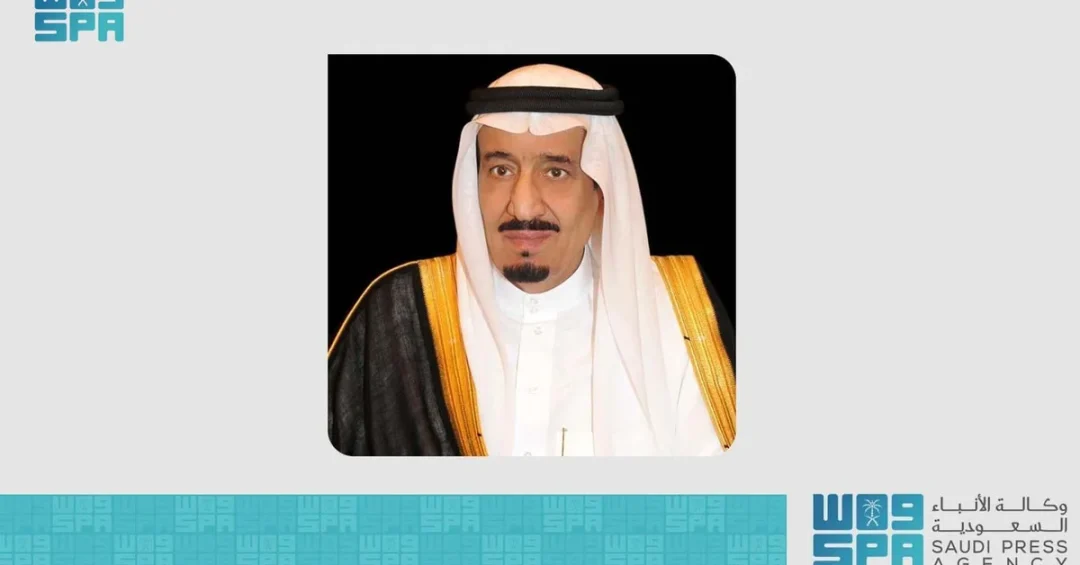
The Custodian of the Two Holy Mosques, King Salman bin Abdulaziz Al Saud, has sent a cable of congratulations to President Abdelmadjid Tebboune of the People’s Democratic Republic of Algeria on the occasion of Algeria’s Independence Day, according to the Saudi Press Agency (SPA). In his message, the King expressed his sincere wishes for the President’s continued good health and happiness, and for the government and people of Algeria to enjoy steady progress and prosperity.
Context and Background
Algeria celebrates its Independence Day annually on July 5, commemorating the country’s liberation from colonial rule in 1962. This historic occasion marks a pivotal moment in Algeria’s national journey and is observed with pride by Algerians around the world. The Custodian of the Two Holy Mosques traditionally sends congratulatory cables to leaders of friendly nations on their national days, reflecting the Kingdom of Saudi Arabia’s commitment to maintaining strong bilateral ties and promoting goodwill among nations.
The relationship between Saudi Arabia and Algeria has been characterized by mutual respect and cooperation, rooted in shared cultural, historical, and religious bonds. Both nations are members of the Organization of Islamic Cooperation (OIC) and the Arab League, and they collaborate on various regional and international issues. The King’s message underscores the enduring friendship between the two countries and their peoples.
Key Details
In his cable, King Salman bin Abdulaziz Al Saud conveyed his heartfelt congratulations to President Abdelmadjid Tebboune and the Algerian people. He wished the President constant good health and happiness, and extended his hopes for Algeria’s continued progress and prosperity. This gesture is part of the longstanding tradition of diplomatic exchanges between Saudi Arabia and Algeria, highlighting the Kingdom’s active role in fostering positive relations across the Arab and Islamic world.
The message was released by the Saudi Press Agency (SPA), the official news agency of Saudi Arabia, ensuring that the public and international community are informed of the Kingdom’s diplomatic engagements. Such communications are a regular feature of Saudi foreign policy, demonstrating the leadership’s dedication to strengthening ties with brotherly and friendly nations.
Implications and Impact
The congratulatory message from the Custodian of the Two Holy Mosques reinforces the strong and stable relationship between Saudi Arabia and Algeria. It serves as a reminder of the Kingdom’s consistent efforts to promote unity, stability, and cooperation in the region. By acknowledging Algeria’s Independence Day, Saudi Arabia reaffirms its respect for the sovereignty and achievements of its fellow Arab nation. This diplomatic gesture also contributes to the broader context of Arab solidarity and mutual support, which is essential for addressing common challenges and pursuing shared goals.
Furthermore, such exchanges enhance the image of Saudi Arabia as a responsible and engaged global player, committed to diplomacy and peaceful coexistence. They also open avenues for further collaboration in areas of mutual interest, including economic development, cultural exchange, and regional security. The positive tone of the message aligns with the Kingdom’s Vision 2030, which seeks to build a prosperous future for Saudi Arabia and its partners through international engagement and cooperation.
Vision 2030 Alignment
This diplomatic outreach is consistent with the objectives of Saudi Vision 2030, the comprehensive reform plan aimed at diversifying the economy, empowering citizens, and enhancing the Kingdom’s global standing. Under the leadership of King Salman and Crown Prince Mohammed bin Salman, Saudi Arabia continues to strengthen its international partnerships and play a pivotal role in promoting peace and development. The congratulatory cable to Algeria exemplifies the Kingdom’s commitment to fostering strong ties with nations worldwide, a key pillar of Vision 2030’s strategic vision for a more connected and prosperous future.
20 Questions
Q1. Who sent the congratulatory cable to Algeria’s President?
A1. The Custodian of the Two Holy Mosques, King Salman bin Abdulaziz Al Saud, sent the cable to President Abdelmadjid Tebboune of Algeria on the occasion of Algeria’s Independence Day, as reported by the Saudi Press Agency.
Q2. When is Algeria’s Independence Day celebrated?
A2. Algeria’s Independence Day is celebrated annually on July 5, marking the country’s independence from colonial rule in 1962. It is a national holiday in Algeria and is observed with various events and festivities across the country.
Q3. What did King Salman wish for President Tebboune?
A3. King Salman wished President Tebboune constant good health and happiness. He also expressed his hopes for the government and people of Algeria to enjoy steady progress and prosperity in the years ahead.
Q4. Why does the Custodian of the Two Holy Mosques send such cables?
A4. The Custodian of the Two Holy Mosques sends congratulatory cables to leaders of friendly nations on their national days as part of Saudi Arabia’s diplomatic tradition. It reflects the Kingdom’s commitment to maintaining strong bilateral ties and promoting goodwill.
Q5. What is the significance of this message for Saudi-Algerian relations?
A5. The message reinforces the strong and stable relationship between Saudi Arabia and Algeria. It highlights the Kingdom’s respect for Algeria’s sovereignty and achievements, and underscores the enduring friendship and cooperation between the two nations.
Q6. How are Saudi-Algerian relations generally characterized?
A6. Saudi-Algerian relations are characterized by mutual respect, cooperation, and shared cultural, historical, and religious bonds. Both nations collaborate within international organizations such as the Organization of Islamic Cooperation and the Arab League.
Q7. What is the role of the Saudi Press Agency in this context?
A7. The Saudi Press Agency (SPA) is the official news agency of Saudi Arabia. It released the news of the King’s cable, ensuring that the public and international community are informed about the Kingdom’s diplomatic engagements and communications.
Q8. How does this message align with Saudi Vision 2030?
A8. This diplomatic outreach aligns with Saudi Vision 2030’s objectives of enhancing the Kingdom’s global standing and fostering international partnerships. It demonstrates Saudi Arabia’s commitment to building a prosperous future through cooperation and engagement.
Q9. What are the implications of this message for regional stability?
A9. The message contributes to Arab solidarity and mutual support, which are essential for addressing common challenges and pursuing shared goals. It promotes unity and stability in the region, reflecting Saudi Arabia’s role as a responsible global player.
Q10. How does Saudi Arabia typically engage with other Arab nations?
A10. Saudi Arabia engages with other Arab nations through diplomatic exchanges, bilateral visits, and participation in regional organizations. The Kingdom consistently works to strengthen ties, promote cooperation, and support joint efforts for development and peace.
Q11. What other areas of cooperation exist between Saudi Arabia and Algeria?
A11. Saudi Arabia and Algeria cooperate in various areas, including economic development, cultural exchange, and regional security. Both nations are members of the OIC and Arab League, and they collaborate on issues of mutual interest.
Q12. Who is President Abdelmadjid Tebboune?
A12. President Abdelmadjid Tebboune is the President of the People’s Democratic Republic of Algeria. He has been in office since December 2019 and plays a key role in Algeria’s political and diplomatic affairs.
Q13. What is the historical significance of Algeria’s Independence Day?
A13. Algeria’s Independence Day commemorates the end of French colonial rule on July 5, 1962. It is a symbol of national liberation and a source of pride for Algerians, marking a pivotal moment in the country’s history.
Q14. How do such diplomatic messages benefit Saudi Arabia’s international image?
A14. Such messages enhance Saudi Arabia’s image as a responsible and engaged global player. They demonstrate the Kingdom’s commitment to diplomacy, peaceful coexistence, and the strengthening of international partnerships, which are key aspects of Vision 2030.
Q15. Does King Salman regularly send such cables to other leaders?
A15. Yes, King Salman regularly sends congratulatory cables to leaders of friendly nations on their national days and other significant occasions. This practice is part of Saudi Arabia’s diplomatic tradition and reflects the Kingdom’s active foreign policy.
Q16. What is the expected impact of this message on bilateral relations?
A16. The message is expected to further strengthen bilateral relations between Saudi Arabia and Algeria. It reinforces mutual respect and opens avenues for continued collaboration in areas of mutual interest, benefiting both nations and their peoples.
Q17. How does this message reflect Saudi Arabia’s foreign policy objectives?
A17. It reflects Saudi Arabia’s foreign policy objectives of promoting peace, stability, and cooperation in the region. The Kingdom seeks to build strong partnerships and support Arab solidarity, aligning with its broader strategic vision.
Q18. What role does Crown Prince Mohammed bin Salman play in Saudi diplomacy?
A18. Crown Prince Mohammed bin Salman plays a central role in Saudi diplomacy, driving Vision 2030 and strengthening international partnerships. His leadership supports the Kingdom’s efforts to enhance global engagement and foster regional stability.
Q19. Are there any upcoming Saudi-Algerian joint initiatives?
A19. While specific initiatives are not detailed in this message, Saudi Arabia and Algeria regularly explore opportunities for cooperation in economic, cultural, and security domains. Such diplomatic exchanges often pave the way for future collaborations.
Q20. How does this message contribute to Arab unity?
A20. The message contributes to Arab unity by reaffirming Saudi Arabia’s support for Algeria and highlighting the importance of solidarity among Arab nations. It underscores the Kingdom’s commitment to collective progress and shared prosperity in the region.
Reader Feedback
We value your thoughts. Please share your feedback on this article.
Your feedback helps us improve our coverage.