


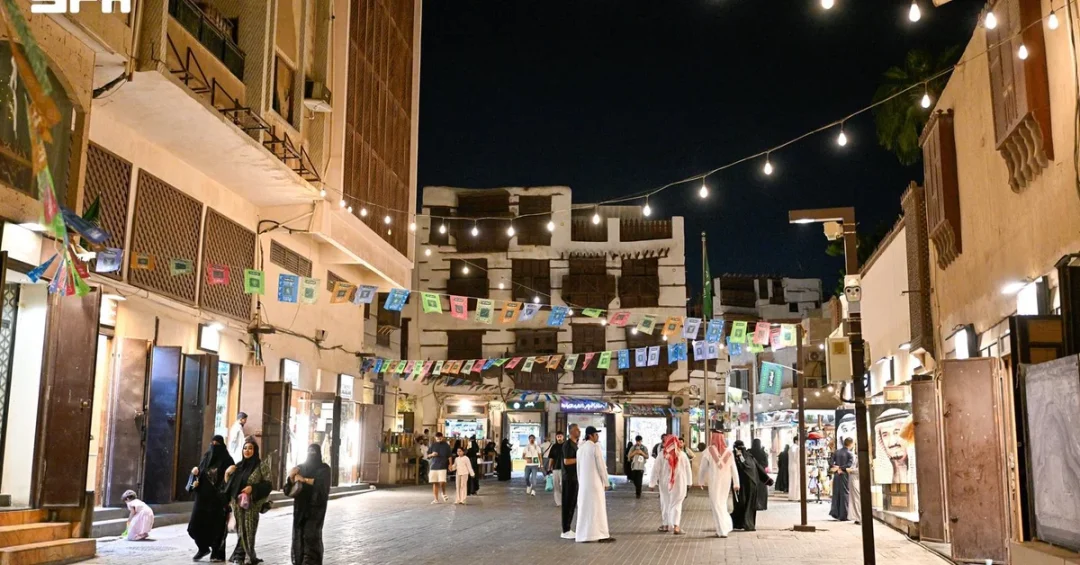
Fans attending the 27th Arabian Gulf Cup (Khaleeji 27) have been exploring the historic markets of Jeddah, wandering through ancient alleyways and browsing displays of perfumes, oud, incense, spices, fabrics, gifts, and traditional goods, according to the Saudi Press Agency (SPA). The influx of supporters has invigorated activity across the markets, shops, restaurants, and cafés of Historic Jeddah, extending the tournament’s impact beyond the stadiums and underscoring the city’s enduring role as a meeting point for visitors from across the region and beyond.
Context and Background
Historic Jeddah, known locally as Al-Balad, is a UNESCO World Heritage Site that has served as a commercial and cultural hub for centuries. Its strategic location on the Red Sea coast and its integration into regional trade and Hajj routes allowed the city to welcome merchants, pilgrims, and travelers from diverse regions. This rich history fostered markets that became economic lifelines and shaped Jeddah’s urban identity. The 27th Arabian Gulf Cup, hosted in Jeddah, has brought a new wave of visitors to these historic sites, creating a vibrant atmosphere that benefits local businesses and showcases Saudi Arabia’s cultural heritage to a global audience.
Key Details
According to Saudi Press Agency (SPA), the fans’ exploration of Historic Jeddah’s markets has led to a noticeable increase in foot traffic, with shops and cafés experiencing a surge in activity. The markets offer a sensory experience, from the aromatic scents of oud and incense to the colorful displays of fabrics and spices. This heightened activity reflects the tournament’s broader economic impact, as visitors not only attend matches but also immerse themselves in the local culture. The SPA report highlights that the markets have become a focal point for fans, fostering a festive environment that celebrates Jeddah’s traditional commerce and hospitality.
Implications and Impact
The presence of Khaleeji 27 fans in Historic Jeddah has significant implications for the local economy and tourism sector. Increased spending in markets, restaurants, and cafés supports small businesses and creates a positive ripple effect across the community. Moreover, the exposure of international visitors to Jeddah’s heritage aligns with Saudi Arabia’s efforts to promote cultural tourism and diversify its economy. This event also strengthens regional ties, as fans from Gulf Cooperation Council (GCC) countries come together in a spirit of friendly competition and shared cultural appreciation. The successful integration of sports and tourism demonstrates Saudi Arabia’s capability to host major events while showcasing its rich history.
Vision 2030 Alignment
This development aligns closely with Saudi Vision 2030, which aims to enhance the Kingdom’s tourism sector and promote cultural heritage as part of a diversified economy. By attracting sports fans to historic sites, Saudi Arabia not only boosts local commerce but also reinforces its position as a global destination for culture and entertainment. The 27th Arabian Gulf Cup serves as a catalyst for achieving these goals, demonstrating how sports can drive tourism and economic growth. As the Kingdom continues to invest in heritage preservation and world-class events, initiatives like this contribute to a vibrant society and a thriving economy, in line with the ambitious targets of Vision 2030.
20 Questions
Q1. What event brought fans to Historic Jeddah’s markets?
A1. The 27th Arabian Gulf Cup (Khaleeji 27) brought fans to Historic Jeddah’s markets. According to the Saudi Press Agency, supporters explored the ancient alleyways and shops, invigorating activity across the area. The tournament extends its impact beyond the stadiums, showcasing Jeddah’s role as a meeting point for visitors.
Q2. What types of goods are available in Historic Jeddah’s markets?
A2. The markets offer a variety of traditional goods, including perfumes, oud, incense, spices, fabrics, gifts, and other items. These products reflect the rich commercial heritage of Jeddah, which has been a trading hub for centuries. Visitors can immerse themselves in the local culture while browsing these displays.
Q3. How did Jeddah acquire its commercial prominence?
A3. Jeddah acquired its commercial prominence through its strategic location on the Red Sea coast and its integration into regional trade and Hajj routes. Over centuries, it welcomed merchants, pilgrims, and travelers, along with goods from diverse regions. This fostered markets that became economic lifelines and shaped the city’s urban identity.
Q4. What impact did the fans have on Jeddah’s markets?
A4. The influx of fans invigorated activity across markets, shops, restaurants, and cafés. This extended the tournament’s impact beyond the stadiums, creating a vibrant atmosphere. According to SPA, the increased foot traffic benefited local businesses and showcased Jeddah’s enduring role as a meeting point for visitors.
Q5. What is the significance of Historic Jeddah?
A5. Historic Jeddah, or Al-Balad, is a UNESCO World Heritage Site that has served as a commercial and cultural hub for centuries. Its strategic location and integration into trade routes made it a vital meeting point for merchants and pilgrims. Today, it remains a symbol of Jeddah’s rich heritage and identity.
Q6. How does this event align with Saudi Vision 2030?
A6. This event aligns with Saudi Vision 2030 by promoting tourism and cultural heritage. The influx of sports fans to historic sites boosts local commerce and reinforces Saudi Arabia’s position as a global destination. It demonstrates how sports can drive economic growth and diversify the economy, in line with Vision 2030 goals.
Q7. What is the 27th Arabian Gulf Cup?
A7. The 27th Arabian Gulf Cup, also known as Khaleeji 27, is a regional football tournament featuring national teams from the Gulf Cooperation Council countries. It is hosted in Jeddah, Saudi Arabia, and attracts fans from across the region. The event promotes sportsmanship and cultural exchange among Gulf nations.
Q8. How long has Jeddah been a commercial hub?
A8. Jeddah has been a commercial hub for centuries, dating back to its establishment as a port city on the Red Sea. Its integration into regional trade and Hajj routes allowed it to flourish as a center for merchants and pilgrims. This long history has shaped its urban identity and cultural heritage.
Q9. What role does Historic Jeddah play in tourism?
A9. Historic Jeddah plays a key role in tourism by offering visitors a glimpse into the Kingdom’s rich history and culture. Its ancient alleyways, traditional markets, and historic buildings attract tourists from around the world. The site is a UNESCO World Heritage Site, enhancing its appeal as a must-visit destination.
Q10. How do the markets support the local economy?
A10. The markets support the local economy by generating revenue for small businesses and creating jobs. The influx of fans during Khaleeji 27 has led to increased spending in shops, restaurants, and cafés. This economic activity has a positive ripple effect, benefiting the broader community and contributing to Jeddah’s prosperity.
Q11. What can visitors experience in Historic Jeddah’s markets?
A11. Visitors can experience a sensory journey through the markets, from the aromatic scents of oud and incense to the vibrant displays of fabrics and spices. They can also purchase traditional gifts and souvenirs. The markets offer a unique blend of commerce and culture, reflecting Jeddah’s heritage.
Q12. Why is Jeddah considered a meeting point for visitors?
A12. Jeddah is considered a meeting point for visitors due to its historical role as a port city and gateway to the holy cities. It has welcomed merchants, pilgrims, and travelers from diverse regions for centuries. This tradition continues today, as events like Khaleeji 27 bring people together.
Q13. What does the SPA report say about the fans’ activities?
A13. The SPA report states that fans explored Historic Jeddah’s markets, wandering through ancient alleyways and browsing displays of perfumes, oud, incense, spices, fabrics, gifts, and traditional goods. The influx invigorated activity across markets and shops, extending the tournament’s impact beyond the stadiums.
Q14. How does the tournament impact Jeddah beyond sports?
A14. The tournament impacts Jeddah beyond sports by boosting tourism and local commerce. Fans visiting for matches also explore the city’s historic sites and markets, contributing to the economy. This creates a festive atmosphere and showcases Jeddah’s cultural heritage to a wider audience, enhancing its global reputation.
Q15. What is the historical significance of Jeddah’s markets?
A15. Jeddah’s markets have historical significance as economic lifelines that shaped the city’s urban identity. They were central to trade routes and Hajj journeys, connecting diverse regions. Over centuries, they have evolved but remain vibrant hubs of commerce and culture, reflecting Jeddah’s enduring spirit.
Q16. How does Saudi Arabia benefit from hosting Khaleeji 27?
A16. Saudi Arabia benefits from hosting Khaleeji 27 by showcasing its capabilities in organizing major events and promoting tourism. The tournament attracts regional visitors, boosting the economy and fostering cultural exchange. It also aligns with Vision 2030 by highlighting the Kingdom’s modern infrastructure and rich heritage.
Q17. What makes Historic Jeddah a UNESCO World Heritage Site?
A17. Historic Jeddah was designated a UNESCO World Heritage Site due to its outstanding universal value, including its role in trade and pilgrimage routes and its distinct architectural style. Its ancient alleyways, coral-stone buildings, and historic markets reflect a unique cultural heritage that has been preserved for generations.
Q18. How do local businesses in Jeddah benefit from the tournament?
A18. Local businesses benefit from increased foot traffic and sales during the tournament. Shops, restaurants, and cafés experience a surge in customers, particularly in Historic Jeddah. This economic boost supports livelihoods and demonstrates the positive impact of hosting international events, aligning with Saudi Arabia’s economic diversification goals.
Q19. What role does sports play in Saudi Arabia’s tourism strategy?
A19. Sports play a vital role in Saudi Arabia’s tourism strategy by attracting visitors and promoting the Kingdom as a dynamic destination. Events like Khaleeji 27 draw fans who also explore cultural sites, boosting tourism. This aligns with Vision 2030’s aim to diversify the economy and enhance quality of life.
Q20. How does this event reflect Saudi Arabia’s global engagement?
A20. This event reflects Saudi Arabia’s global engagement by welcoming international visitors and showcasing its cultural heritage and modern capabilities. Hosting Khaleeji 27 demonstrates the Kingdom’s commitment to regional cooperation and its ability to organize world-class events, enhancing its standing on the global stage.
Reader Feedback
We value your thoughts. Please share your feedback on this article.
Your feedback helps us improve our coverage.